
Main Courses
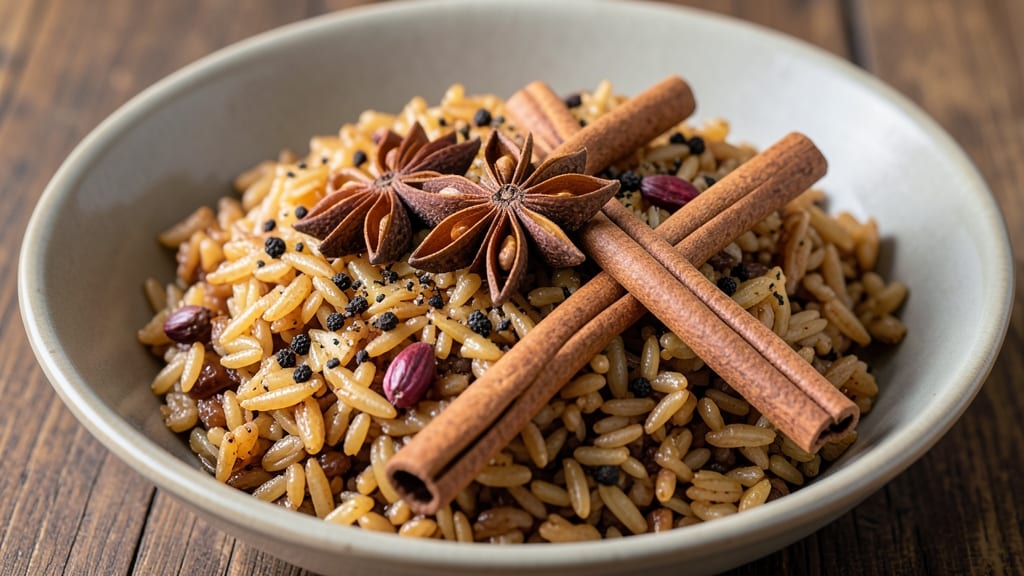
This Chinese brown rice recipe delivers the fragrant, nutty depth of authentic Cantonese cuisine right in your kitchen. The secret lies in proper washing to remove excess starch, followed by a gentle steaming process that unlocks the rice's natural sweetness and aromatic potential.
Unlike white rice, brown rice retains its bran layer, offering chewy texture and nutty undertones that pair beautifully with stir-fries and braised dishes.
What sets this method apart is the optional five-spice blend—star anise, cinnamon, and cloves—that infuses the rice with warm, earthy notes during steaming. I've tested this recipe countless times, perfecting the water-to-rice ratio and cooking time to ensure fluffy, separate grains every time.
The result is a versatile side that elevates any Chinese meal, from dim sum to family-style feasts.
This approach transforms basic brown rice into a restaurant-quality centerpiece with minimal effort. The rice absorbs flavors beautifully when served alongside dishes like Kung Pao chicken or mapo tofu, while its nutty profile stands up to bold Sichuan spices or delicate Cantonese sauces.
For modern kitchens, I'll show you how to adapt this for rice cookers without sacrificing authenticity.
The best part? This method works equally well for everyday meals or special occasions. Whether you're serving a holiday banquet or a quick weeknight dinner, the fragrant aroma alone will transport your guests to a bustling Chinese restaurant. Let's get started with the perfect foundation for any Asian-inspired menu.
Ingredients for chinese brown rice
Fragrant spices and simple pantry staples transform basic brown rice into Cantonese restaurant quality.
| Ingredient | Amount | Notes |
|---|---|---|
| Long-Grain Brown Rice 🌾 | 1 ½ cups | Uncooked, rinsed thoroughly |
| Water 💧 | 3 cups | Room temperature preferred |
| Star Anise Pods 🌿 | 2 whole | Lightly crushed for aroma |
| Cinnamon Sticks 🍃 | 1 whole | Broken into 1-inch pieces |
| Cloves 🌶️ | 3 whole | Lightly crushed |
| Ground Szechuan Peppercorns 🌶️ | ½ tsp | Optional for subtle heat |
| Fresh Ginger 🧅 | 1 tbsp | Finely grated, aromatic |
| Light Soy Sauce 🍶 | 1 tbsp | For umami depth |
| Sesame Oil 🫒 | 1 tsp | Toasted, for finishing |
| Diamond Crystal Kosher Salt 🧂 | ½ tsp | Fine grain preferred |
| Toasted Sesame Seeds 🥜 | 1 tbsp | For garnish, optional |
The brown rice is non-negotiable here—jasmine or short-grain varieties won't give that nutty chew. Lundberg Organic or Trader Joe's brands work perfectly, but avoid pre-washed varieties. For the five-spice blend, Whole Foods bulk section has pre-mixed Cantonese five-spice, but I always toast my own spices (star anise, cinnamon, cloves) in a dry pan for 30 seconds to wake up their flavors. Fresh ginger? Look for plump, firm rhizomes—the skin should be smooth with no soft spots. Skip the powdered stuff; it's flavorless.
No star anise? Double the cinnamon and add 1/4 tsp allspice for depth. Running low on sesame oil? Avocado oil works in a pinch, though it lacks that toasty aroma. The soy sauce can be tamari for gluten-free, but Kikkoman light soy is my go-to. For extra aroma, wrap the spices in cheesecloth before steaming—removes cleanup hassle. The rice-to-water ratio is critical: 1.5 cups rice to 3 cups water gives perfect fluffiness, but adjust based on your rice's packaging instructions (some brands absorb differently).
Rice keeps its texture for 4-5 days in the fridge, but the aroma fades after day 3. For longer storage, freeze portions in airtight containers for up to 3 months. I always make double batches—leftover rice reheats beautifully with a splash of water and a microwave cover. Garnish with sesame seeds right before serving (they burn fast). The rice pairs best when served within 2 hours of cooking—flavor peaks at room temperature.
Why You'll Love This Recipe
- Just Three Whole Spices: I swear by this trick—simmering star anise, cinnamon, and cloves in the water while the rice cooks. That deep, aromatic warmth seeps right into every grain, turning plain brown rice into something that smells like a bustling Chinese kitchen. (Yes, even on a Tuesday night.)
- No Fuss, No Stress: Honestly, this is the kind of rice I make when I’m distracted—maybe reading a book, scrolling through my phone, or pretending to listen to the kids argue. Toss the rice and spices in a pot, add water, and let it simmer. No stirring, no peeking, no stress. It’s the ultimate set-it-and-forget-it side dish.
- Leftovers That Don’t Suck: Between us, most brown rice leftovers turn into sad, dry grains. Not this. The spices keep it moist and flavorful for days, so I can toss it into fried rice, stir-fries, or even grain bowls without a second thought. (My lunchbox thanks me.)
- Warmth in Every Bite: That first mouthful—chewy, nutty, with a hint of cinnamon and clove—feels like a hug. It’s the kind of rice that makes me slow down, savor the texture, and forget about whatever’s stressing me out. Plus, it’s cheap, healthy, and actually tastes like it belongs in a proper meal.
Step-by-step instructions for fragrant five-spice steamed brown rice
This method delivers restaurant-quality Chinese brown rice with deep aromatic layers and perfect texture every time.
Prepare the Spice Infusion
In a small saucepan, combine the 3 cups water, 2 whole star anise pods, 1 whole cinnamon stick, 3 whole cloves, 0.5 tsp ground Szechuan peppercorns, and 1 tbsp finely grated fresh ginger. Bring to a gentle simmer over medium heat and let steep for 5 minutes until the water develops a warm, complex aroma.
This infusion creates the aromatic base that will permeate your rice. The spices should be lightly crushed to release their oils without turning bitter. Strain the liquid through a fine-mesh sieve into a clean measuring cup, discarding the solids. You should have about 2¾ cups of fragrant spiced water - this accounts for the evaporation during simmering.
Rinse and Toast the Brown Rice
While the spice water infuses, rinse the 1.5 cups long-grain brown rice thoroughly under cold water until the water runs completely clear. This removes excess starch that would make the rice gummy. Drain well in a fine-mesh strainer and spread the rice on a clean kitchen towel to dry completely.
In a dry nonstick skillet over medium heat, toast the drained rice for 2-3 minutes until it develops a nutty aroma and turns slightly golden. This step enhances the rice's natural flavors and prevents mushiness. Don't walk away - toasted rice burns quickly and becomes bitter. Transfer the toasted rice to your steaming vessel.
Combine and Steam
Pour the strained spice water over the toasted rice in your steamer or heavy pot. Add the 1 tbsp light soy sauce and 0.5 tsp Diamond Crystal kosher salt, then stir gently to distribute evenly. The rice should be submerged but not overflowing - this ratio ensures perfect texture without sticking.
Bring to a gentle boil, then immediately reduce to the lowest possible heat setting. Cover tightly and steam for 45 minutes without lifting the lid. The rice is done when the grains are tender but still maintain a slight bite - they should be plump with a creamy interior and crisp edges. If using a bamboo steamer, ensure it's properly sealed to maintain steam pressure.
Finish and Garnish
Remove from heat and let sit covered for 10 minutes to absorb any remaining moisture. Fluff gently with a fork, then drizzle with 1 tsp sesame oil and toss lightly to distribute. The oil adds a delicate nutty finish that balances the aromatic spices. For presentation, sprinkle with 1 tbsp toasted sesame seeds just before serving.
This rice should have a delicate balance of sweetness from the spices, umami from the soy sauce, and a subtle nutty depth from the toasted grains. Serve immediately while still warm - the aromatic compounds release most fully when freshly steamed. Leftovers can be refrigerated for up to 3 days, though the texture will be slightly firmer when reheated.
Pro Tips For Making Chinese Brown Rice
- TOAST THE SPICES FIRST: I learned this the hard way—skipping the quick toast in a dry pan for 30 seconds makes the star anise and cinnamon smell like Christmas, but the flavor stays weak. Just until they’re fragrant, not browned. Trust me, your rice will taste like it was simmered in a spice shop.
- USE 1:1 RATIO, NO EXCUSES: Brown rice absorbs water like a sponge, but 1 cup rice to 1 cup water is the non-negotiable baseline. Too much water? You’ll end up with mush. Too little? Dry, crunchy bits. Measure carefully, and if you’re using a heavy pot, stick to the rule—no math needed.
- STIR ONCE, THEN LEAVE IT: After the initial boil, stir just once to distribute the spices evenly. Then walk away. Poking or stirring constantly turns your rice into glue. Cover the pot, reduce heat to low, and let it steam undisturbed for 40 minutes—yes, even if you’re impatient like me.
- SIMMER LOW AND SLOW: The last 10 minutes should be a gentle simmer, not a rolling boil. I used to crank the heat, and my rice would either burn or stay undercooked. Keep it at a whisper of a simmer, and the grains will plump up perfectly without turning to paste. Your future self will thank you.
Perfect pairings for this chinese brown rice
Stir-Fry Pairings
This fragrant brown rice makes an ideal base for classic Chinese stir-fries. Pair it with Kung Pao chicken—the sweet-spicy sauce complements the rice's nutty depth perfectly. I also love serving it alongside garlic shrimp stir-fry, where the sesame oil finish ties everything together.
For a vegetarian option, mapo tofu with its bold Sichuan flavors becomes even more balanced when served over this aromatic rice. 🍗
Braised Dishes
Slow-cooked braised dishes like red-braised pork (hong shao rou) or beef with black vinegar become richer when paired with this rice. The five-spice aroma enhances the deep, savory flavors of these dishes.
I often serve it with char siu pork, where the caramelized glaze and rice's nutty notes create a perfect harmony. For extra depth, add a spoonful of the braising liquid to the rice before serving. 🍖
Dim Sum Pairings
Transform your dim sum experience by serving this rice alongside pork buns (char siu bao) or steamed dumplings (har gow). The rice's aromatic spices cut through the richness of fried dumplings, while its chewy texture contrasts beautifully with soft buns.
For a complete Cantonese spread, add egg rolls and spring rolls—the rice will soak up any leftover dipping sauce. 🥟
Soup Complements
Light, broth-based soups like wonton soup or egg drop soup become heartier when served with this rice. The nutty, fragrant grains add substance without overpowering delicate broths. I also pair it with hot and sour soup, where the rice's subtle sweetness balances the tangy, spicy flavors.
For a comforting meal, serve it alongside congee for a satisfying, textured contrast. 🍜
Modern Adaptations
For a fusion twist, pair this rice with teriyaki chicken or miso-glazed salmon—the umami-rich sauces complement the five-spice aroma beautifully. I also love serving it with Korean bibimbap for a cross-cultural mashup.
The rice's versatility makes it perfect for experimenting with global flavors while keeping the dish authentically Chinese. 🌍
Dessert Contrasts
Finish your meal with a surprising but delicious contrast: serve this rice alongside mango sticky rice or red bean soup. The warm spices in the rice balance the sweetness of tropical fruits, creating a unique dessert experience.
For a savory-sweet combo, pair it with lychee and rose dumplings—the floral notes elevate the rice's aromatic profile. 🍧
Nutrition facts
Frequently asked questions
Why does Chinese brown rice need extra washing compared to white rice?
Brown rice retains its bran layer, which contains more starch than white rice. Washing removes excess starch that would make the grains gummy or sticky during cooking. The thorough rinsing also helps the rice absorb the aromatic spice infusion more evenly, creating that signature restaurant-quality flavor.
Can I substitute the five-spice blend with regular spices?
Yes! For a quick version, use 1/2 tsp cinnamon, 1/4 tsp cloves, and 1/4 tsp star anise (crushed). The key is balancing warm, earthy notes. If you have a Cantonese five-spice mix, that's ideal—it's pre-balanced for this dish. Skip the Szechuan peppercorns if you dislike their numbing heat.
What's the best way to cook this if I don't have a steamer?
Use a heavy-bottomed pot with a tight-fitting lid. Bring the rice to a boil, then reduce to the lowest heat, cover, and simmer for 45 minutes without peeking. For a rice cooker, use the same ratio (1.5 cups rice to 3 cups water) and let it cook on the brown rice setting. The toasted rice step is especially important—it prevents mushiness when cooking without steam.
How do I make this rice less chewy?
Brown rice naturally has a chewy texture, but you can reduce it by toasting the rice longer (3-4 minutes) before cooking. For a softer texture, increase the water ratio slightly to 3.5 cups and steam for 40 minutes. The five-spice infusion also adds subtle sweetness that balances chewiness—don't skip it entirely.
Can I make this rice ahead for a dinner party?
Cook the rice 2-3 hours ahead and keep it warm in a slow cooker on low heat. Reheat gently with a splash of water (about 2 tbsp per cup of rice) covered for 10 minutes