
Main Courses
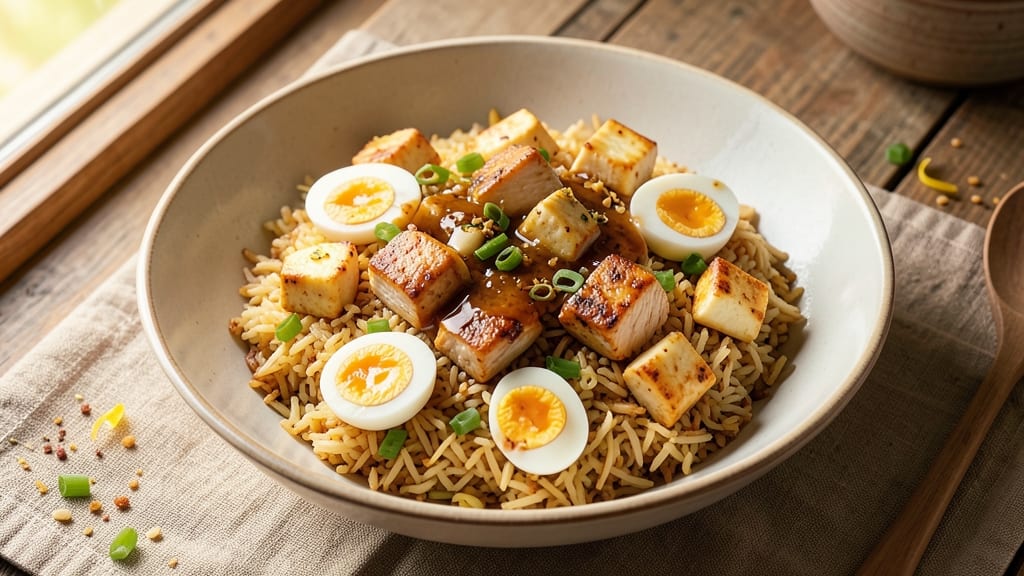
This Chinese fried rice recipe Indian style transforms a classic wok staple into a bold, aromatic dish that marries crispy textures with fiery masala flavors. The secret lies in balancing traditional stir-fry techniques with Indian spices like garam masala and turmeric, creating a fusion that's both familiar and exciting.
I've perfected this method over years of testing, ensuring every grain stays separate and packed with flavor.
What sets this apart is the adaptability—whether you're using paneer for a vegetarian version or chicken for a heartier meal, the technique remains the same. The result is fragrant, slightly spicy fried rice with a perfect crunch, where each bite delivers a harmonious blend of wok crispness and Indian warmth.
Ready in just 20 minutes, it's the ideal weeknight dinner that feels special.
Ingredients for chinese fried rice recipe indian style
Balancing wok crispness with Indian spices—this fusion fried rice needs just 15 ingredients for bold flavor.
| Ingredient | Amount | Notes |
|---|---|---|
| Day-Old Cooked White Rice 🍚 | 4 cups | Cold, preferably from 1-2 days ago |
| Boneless Chicken Breast 🍗 | 1 lb | Cut into small cubes |
| Paneer Cheese 🧀 | 6 oz | Cut into small cubes |
| Large Eggs 🥚 | 2 whole | Lightly beaten |
| Green Onions 🧅 | ½ cup | Sliced thin, white and green parts |
| Garlic Cloves 🧄 | 4 cloves | Minced finely |
| Ginger Root 🌿 | 1 tbsp | Fresh, grated |
| Vegetable Oil 🫒 | ½ cup | High smoke point |
| Garam Masala 🌶️ | 1 tbsp | Ground, store-bought or homemade |
| Turmeric Powder 🌶️ | ½ tsp | Freshly ground preferred |
| Ground Cumin 🌿 | ½ tsp | Toasted for deeper flavor |
| Red Chili Powder 🔥 | 1 tsp | Adjust for heat preference |
| Salt 🧂 | 1 tsp | Kosher or sea salt |
| Black Pepper 🌶️ | ½ tsp | Freshly ground preferred |
| Soy Sauce 🍶 | 2 tbsp | Light or dark, to taste |
The rice is the foundation, so day-old is non-negotiable—fresh rice turns mushy. Jasmine or basmati work best, and cooking it slightly underdone (a little firm) helps. For the protein, chicken breast stays juicy when cubed small, but paneer adds a lovely texture contrast. Costco or Whole Foods carry good-quality paneer blocks—look for ones without additives. The eggs are optional but add richness; use room-temperature eggs for even cooking. Green onions should be bright and crisp, not wilted.
No garam masala? Mix 1/4 tsp each of cinnamon, cardamom, cloves, and coriander for a quick substitute. Short on ginger? Double the garlic for similar punch. The soy sauce can be swapped for tamari or coconut aminos if gluten-free is a concern. For extra heat, add a pinch of cayenne or crushed red pepper flakes. The spices should be toasted lightly in the oil before adding wet ingredients to bloom their flavors—don’t skip this step. If you’re using pre-minced garlic or ginger, toast those too for deeper flavor.
Prep ahead: Cube the chicken and paneer and store in separate containers for up to 2 days in the fridge. The rice can be pre-cooked and refrigerated for 3 days before frying. For leftovers, store in an airtight container for 3-4 days—reheat in a dry skillet over medium heat for 2-3 minutes to restore crispness. Freeze portions for up to 1 month, but expect the texture to soften slightly upon thawing.
Why You'll Love This Recipe
- No Chopping Chaos: I swear by this recipe when I’m too tired for prep—just slice the chicken into thin strips, cube the paneer, and crack eggs into the pan. The onions? Roughly chop them, toss them in, and let the wok do the work. Honestly, my knife barely leaves the block.
- Creamy Crunch Magic: That moment when the paneer melts into gooey perfection while the eggs stay crispy at the edges? It’s the best of both worlds. The day-old rice soaks up the garlicky soy and ginger like a sponge, but the real star is the contrast—soft, salty paneer against the chewy chicken.
- Lunchbox Hero: Between us, this is my go-to for meal prep. Pack it in containers for work lunches, and it reheats beautifully—just add a splash of water to keep it from drying out. My kids even ask for it on school days, and that’s saying something.
- Budget Win: I stretch a whole chicken breast and a block of paneer into three big servings, and the eggs? They’re the cheapest protein around. Plus, using day-old rice means no waste—just freeze what you don’t eat, and it’s a quick dinner next week. My wallet and my fridge thank me.
Step-by-step instructions for Chinese fried rice Indian style
Here's how to transform simple ingredients into a wok-crisp, masala-infused fried rice that balances Indian boldness with Chinese technique.
Prep All Ingredients for Even Cooking
Start by cutting the 1 lb boneless chicken breast into ½-inch cubes and the 6 oz paneer cheese into ¼-inch cubes. Lightly beat the 2 whole large eggs in a separate bowl until just combined—they should be smooth but still slightly thick. Finely mince the 4 cloves garlic and grate the 1 tbsp ginger root, then slice the ½ cup green onions into thin rounds, separating the white and green parts.
Break the 4 cups day-old cooked white rice into individual grains using your fingers or the back of a fork—this prevents clumping and ensures even browning. The rice should be completely cold, so if it's still warm, spread it on a plate and refrigerate for 15 minutes to speed up the process. I like to work in batches here: prep the protein and veggies first, then focus on the rice while they marinate in the spices.
Build the Spice Base and Cook the Chicken
Heat ½ cup vegetable oil in a 14-inch wok or large skillet over medium-high heat until shimmering. Add the ½-inch chicken cubes and cook undisturbed for 3-4 minutes until the edges turn opaque. This initial sear locks in juices. Stir in the minced garlic, grated ginger, ½ tsp turmeric powder, ½ tsp ground cumin, and 1 tsp red chili powder, cooking for 30 seconds until fragrant—this builds the aromatic foundation.
Push the chicken to one side of the wok and add the ¼-inch paneer cubes, cooking them for 2 minutes until lightly golden. The paneer should develop a slight crust while staying tender inside. Sprinkle 1 tbsp garam masala and ½ tsp black pepper over everything, stirring to coat. Remove the mixture to a plate and set aside—this prevents overcooking while you prep the eggs and rice.
Scramble the Eggs and Toast the Rice
In the same wok, reduce heat to medium and add a thin film of oil if needed. Pour in the lightly beaten eggs and scramble gently with a spatula, folding them as they set. Cook for 1-2 minutes until just set but still slightly moist—overcooking makes the eggs rubbery. Remove the eggs and set aside with the chicken mixture.
Return the wok to high heat and add the 4 cups broken rice, spreading it evenly. Let it toast for 2-3 minutes without stirring, watching for the edges to turn golden brown and crisp. This step develops the signature wok hei flavor—don't rush it. Stir in 1 tsp salt and 2 tbsp soy sauce, then add ½ cup green onion whites (reserve the greens for garnish). Cook for another 3 minutes, stirring constantly to prevent burning.
Combine Everything for Maximum Flavor
Return the chicken, paneer, and egg mixture to the wok, tossing everything together for 2-3 minutes until the rice is evenly coated and heated through. The dish should look vibrant with golden-brown chicken, paneer, and crispy rice grains. Taste and adjust seasoning—add a splash of water if the rice is too dry, or more soy sauce if it needs saltier depth.
Turn off the heat and stir in the reserved green onion greens. For the final touch, I like to press the rice gently in the wok to compress it slightly—this creates a satisfying texture contrast. Serve immediately while the rice is still crisp and the flavors are at their peak. The combination of smoky garam masala, tangy soy sauce, and the slight heat from the chili powder makes this dish uniquely addictive.
Pro Tips For Making Chinese Fried Rice Recipe Indian Style
- CRACK THE PANEER FIRST: Paneer turns rubbery if you toss it in last—after the chicken and eggs are already cooked. I learned this the hard way when my first batch came out chewy instead of tender. Fry the paneer cubes in a separate pan with a little oil until golden (about 3-4 minutes per side), then add them in the final 2 minutes of stir-frying. This keeps it firm but still melty when it hits the rice.
- DON’T SKIP THE RICE DRYING: Wet rice steams instead of sizzling, and that’s a disaster for texture. Spread your day-old rice on a tray and microwave it for 1-2 minutes to revive it, then let it sit uncovered for 5 minutes while you prep everything else. The goal is rice that’s dry enough to crisp slightly when it hits the wok—like how it should sound when you shake the pan.
- SALT THE CHICKEN HALFWAY: Chicken breast stays bland if you season it all at once. After searing the chicken in the first round of cooking, sprinkle it with half the total salt you’d normally use, then mix it into the rice. The residual heat will help the seasoning cling, and you’ll get that deep, savory flavor without overpowering the dish. (Yes, even if you’re impatient like me.)
- USE COLD EGGS FOR CLEANER CUTS: Room-temperature eggs turn into a greasy mess when you try to scramble them in the pan. Crack them straight from the fridge into a bowl, beat lightly, then slide them into the wok when the chicken’s halfway done. The cold eggs will cook faster and break into neat, soft curds instead of stretching into a single gooey blob. Trust the process—your future self will thank you.
Flavor customization for these flavors
Spice Level Control
Adjust the heat to your taste by tweaking the chili powder and cayenne. For a mild version, use just ½ tsp red chili powder and skip the cayenne. If you love heat, add ½ tsp cayenne and a pinch of crushed red pepper flakes at the end.
I find 1 tsp chili powder gives a perfect balance of warmth without overpowering the dish. 🌶️
Protein Swaps
Keep the technique identical but swap proteins for dietary preferences. For a vegetarian version, use extra paneer (8 oz) or chickpeas (1 can, drained). For non-veg, try shrimp (1 lb, peeled) or tofu (14 oz, pressed and cubed).
If using shrimp, cook them separately for just 2 minutes before adding to the wok—they cook fast! 🍤
Vegetable Additions
Boost nutrition with veggies that hold up to stir-frying. Add ½ cup diced bell peppers or ½ cup snap peas when cooking the chicken—they soften perfectly. For extra texture, toss in ¼ cup corn kernels or ½ cup shredded carrots with the rice.
I love adding ½ cup finely chopped cabbage for crunch and a subtle sweetness. 🥕
Flavor Boosters
Elevate the dish with these easy upgrades. Stir in 1 tbsp lime juice at the end for brightness, or add 1 tsp fish sauce for umami depth. For a smoky note, sprinkle ½ tsp smoked paprika with the garam masala.
If you love fresh herbs, add 2 tbsp chopped cilantro or 1 tbsp mint leaves at the very end. 💫
Texture Variations
Create different textures by adjusting cooking methods. For extra crispiness, spread the rice on a baking sheet and broil for 2 minutes before adding back to the wok. For creaminess, stir in 2 tbsp Greek yogurt or 1 tbsp coconut milk at the end.
I also like adding ¼ cup crushed peanuts for a crunchy contrast—toss them in after turning off the heat. 🥜
Regional Twists
Give it a regional fusion by adding local ingredients. For a Thai-inspired version, swap garam masala for 1 tsp curry powder and add 1 tbsp fish sauce. For a Sichuan kick, add 1 tsp Sichuan peppercorns (toasted and ground) and a dash of chili oil at the end.
The Indian-style base remains the same—just tweak the spices! 🗺️
Nutrition facts
Frequently asked questions
Why does the recipe call for day-old rice?
Day-old rice is crucial because fresh rice contains too much moisture, which turns fried rice mushy. The starchy exterior of cold rice creates that perfect wok-crisp texture when toasted. If you only have fresh rice, spread it on a tray and refrigerate for 15 minutes to help dry it out.
Can I make this vegetarian?
Skip the chicken and double the paneer to 8 oz or add 1 can drained chickpeas for extra protein. For a protein boost, stir in ½ cup tofu cubes (pressed and pan-fried first) or ½ cup edamame at the end. The technique remains exactly the same!
How do I prevent the rice from burning?
Use a 14-inch wok or large skillet with high heat to develop wok hei, but keep the rice moving constantly. Break the rice into individual grains before cooking and spread it evenly in the pan. If the rice starts to brown too quickly, reduce heat to medium-high and add 1 tbsp water to steam it through.
What's the best way to reheat leftovers?
Reheat in a dry skillet over medium heat for 2-3 minutes, stirring constantly, to restore crispiness. For microwave reheating, sprinkle 1 tsp water over the rice and cover with a damp paper towel for 30 seconds to revive texture. Avoid reheating multiple times to prevent sogginess.
Can I make this gluten-free?
Yes! Use tamari or coconut aminos instead of soy sauce. Check that your garam masala is gluten-free (some blends contain wheat flour), and opt for certified gluten-free paneer. The rest of the ingredients are naturally gluten-free, so this version is safe for gluten-sensitive diets.