
Sauces & Condiments
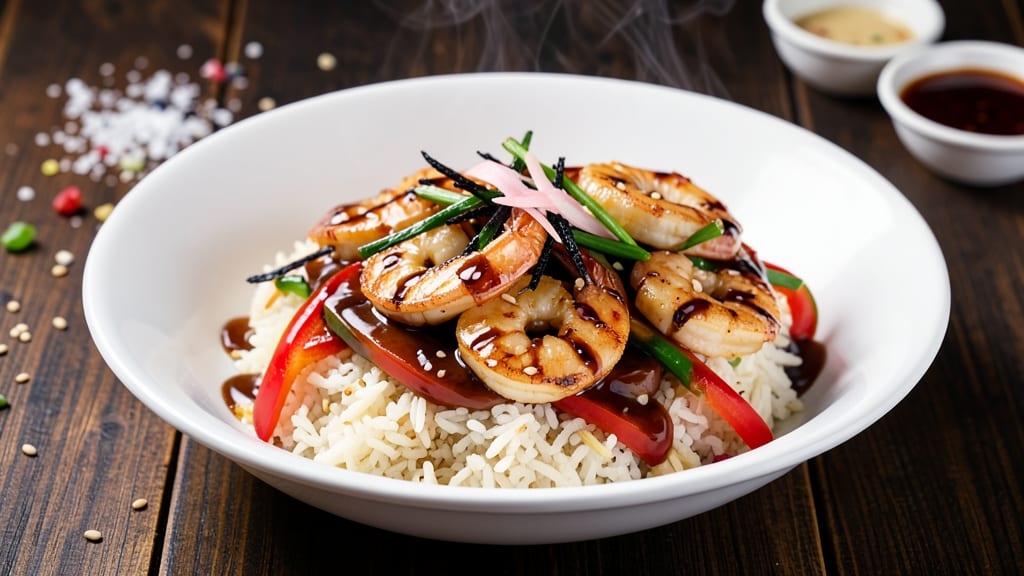
This Chinese fried rice sauce recipe transforms simple stir-fry ingredients into a bold umami-packed base that elevates every bite. The secret lies in balancing salty soy sauce with rich oyster sauce, aromatic sesame oil, and fresh ginger—creating depth that makes even basic rice taste restaurant-worthy.
I developed this formula after years of testing, ensuring it works for both classic and modern fried rice variations while staying true to wok-hei tradition.
The magic happens in the sauce's layered flavors: salty from soy, umami from oyster sauce, and aromatic notes from garlic, ginger, and sesame oil.
Unlike store-bought versions, this recipe lets you control the balance—adjust to your taste with extra chili oil for heat or a splash of rice vinegar for brightness. The sauce thickens slightly as it cooks, coating each grain perfectly without making the rice soggy.
What makes this sauce truly versatile is how it adapts to any fried rice style—whether you're using day-old rice, jasmine grains, or even cauliflower rice. The ingredients are simple but powerful: just 7 components that come together in minutes.
One batch will flavor multiple servings, making it perfect for meal prep or feeding a crowd.
Once you taste the difference between this homemade version and bottled sauces, you'll never go back. The aroma alone—steaming garlic, toasted sesame, and savory umami—transforms a simple meal into something extraordinary. Ready to master this essential stir-fry base?
Ingredients for chinese fried rice sauce
Seven simple yet powerful ingredients for a sauce that transforms ordinary rice into restaurant-quality fried rice.
| Ingredient | Amount | Notes |
|---|---|---|
| Light Soy Sauce 🥢 | ½ cup | High-quality, preferably Japanese |
| Oyster Sauce 🦪 | ¼ cup | Rich, slightly sweet variety |
| Dark Soy Sauce 🥢 | 1 tbsp | For deeper color and flavor |
| Toasted Sesame Oil 🫒 | 1 tbsp | Aromatic, not the mild variety |
| Fresh Ginger 🌿 | 1 tbsp | Finely grated, no zest |
| Garlic Cloves 🧄 | 4 cloves | Minced, not pressed |
| Rice Vinegar 🍶 | 1 tbsp | For brightness, optional |
| Chili Oil 🌶️ | ½ tbsp | Adjust for heat preference |
| Sugar 🍚 | 1 tsp | White or brown, balances flavors |
| Cornstarch 🌾 | ½ tsp | For thickening, optional |
The soy sauces are the foundation—Japanese light soy delivers the salty umami punch, while dark soy adds depth and that signature fried rice color. I always grab Kikkoman for light soy and Lee Kum Kee for oyster sauce—they're the gold standard for this sauce. Fresh ginger and garlic are non-negotiable; pre-minced from jars lacks the aromatic punch. Toasted sesame oil should be the dark, nutty kind—not the mild variety that smells like baby oil. For the best results, use freshly grated ginger and minced garlic (no pressers—chop it finely with a knife).
No oyster sauce? Hoisin sauce makes a decent substitute at half the amount, though it'll be slightly sweeter. Short on sesame oil? Toasted peanut oil works in a pinch, but the flavor will differ. The sugar balances the saltiness—don't skip it, even if you're not sweet-toothed. For extra heat, Sichuan chili crisp adds texture and spice, but chili oil is the classic choice. The cornstarch is optional but helps thicken the sauce slightly for better coating on rice grains. If you're making this ahead, store the sauce without the chili oil—add it fresh before using to preserve its kick.
This sauce keeps beautifully in the fridge for up to 2 weeks, though it tastes best within 5-7 days. The flavors meld and deepen over time, making it perfect for meal prep. For longer storage, freeze it in ice cube trays—thaw and use as needed. The sauce reheats well, but if it thickens too much, a splash of hot water or rice vinegar brings it back to perfection. One batch flavors 4-6 servings of fried rice, so double it if you're feeding a crowd—it's that versatile.
Why You'll Love This Recipe
- Pantry Magic: I swear by this sauce—just five ingredients, no fancy prep. That toasted sesame oil alone transforms everything, and the ginger adds a zing without extra work.
- Umami Bomb: Light and dark soy sauce? Oyster sauce? It’s the perfect balance—salty, sweet, and rich, but not overpowering. The dark soy gives it that caramelized depth I can’t live without.
- Leftover Hero: This sauce turns sad rice into a meal in minutes. I keep a jar in the fridge—drizzle it on eggs, noodles, or even grilled chicken. (Yes, even on a Tuesday night.)
- Budget Flex: No expensive ingredients here—just a few sauces and ginger. It stretches a meal for days, and I’ve used it for everything from takeout-style fried rice to quick stir-fries. My wallet thanks me.
Step-by-step instructions for Chinese fried rice sauce
This umami-rich sauce builds layer upon layer of flavor—simple steps, big impact.
Bloom the Aromatics in Toasted Sesame Oil
Heat a small saucepan over medium-low heat and add the 1 tablespoon toasted sesame oil. Let it warm for 30 seconds until just shimmering—you'll smell that nutty aroma immediately. This is where the magic starts.
Add the 4 cloves minced garlic cloves and 1 tablespoon finely grated fresh ginger. Cook for 1-2 minutes until the garlic turns golden and fragrant—don't let it brown or it'll turn bitter. Here's the thing: these aromatics are the flavor foundation, so take your time and let them develop properly.
Combine Sauces and Sweetener
Pour in the 0.5 cup light soy sauce, 0.25 cup oyster sauce, 1 tablespoon dark soy sauce, and 1 teaspoon sugar. Stir constantly over medium heat for 3-4 minutes until the mixture reduces slightly and becomes glossy. You're looking for a syrupy consistency that coats the back of a spoon.
The dark soy sauce will deepen the color while the sugar helps balance the salty sauces. If you notice any grains of sugar not dissolving, give it another 30 seconds of stirring—this ensures perfect flavor distribution throughout your fried rice.
Add Brightness and Heat
Reduce heat to low and stir in the 1 tablespoon rice vinegar and 0.5 tablespoon chili oil. The vinegar adds a bright, tangy contrast to the rich umami flavors, while the chili oil brings just the right amount of heat. Taste at this stage—you should notice a balance of salty, sweet, tangy, and slightly spicy notes.
Here's where you can adjust: if you want more heat, add a pinch more chili oil. If it needs brightness, add another ½ teaspoon rice vinegar. The sauce should be vibrant and ready to transform your fried rice into something extraordinary.
Thicken to Perfection (Optional)
For a slightly thicker sauce, dissolve the 0.5 teaspoon cornstarch in 1 tablespoon cold water and whisk it into the sauce. Return to low heat and simmer for 1-2 minutes until the sauce reaches your desired consistency—it should coat the back of a spoon but still be pourable.
This thickening step is optional but recommended if you're using the sauce for stir-frying where you want it to cling to the rice and ingredients. If you prefer a looser sauce, skip this step entirely—the sauce will still work beautifully for tossing with rice.
Cool and Use Immediately
Remove the sauce from heat and let it cool for 5 minutes. This resting period allows all the flavors to meld together perfectly. The sauce should be warm but not hot when you use it—this prevents cooking your rice or other ingredients in the pan.
Use the sauce immediately for best results—it's designed to be fresh and vibrant. If you need to store it, transfer to an airtight container and refrigerate for up to 5 days. Reheat gently before using, adding a splash of water if it thickens too much during storage.
Pro Tips For Making Chinese Fried Rice Sauce
- Bloom the Ginger First: Grate that fresh ginger before heating anything—just a teaspoon, but let it sit in the wok for 10 seconds after adding oil. I used to toss it in raw, and it’d just sit there like a sad little rock. Blooming it wakes up the aroma and cuts through the soy’s saltiness.
- Balance the Soy Sauces: Dark soy sauce is for color, not flavor—use just ½ teaspoon. Light soy adds saltiness, oyster sauce adds depth. I learned this after making a batch that tasted like a salty brick. Taste as you go; adjust with a splash of water if needed.
- Add Sesame Oil Last: Drizzle the toasted sesame oil after everything’s off heat—just a teaspoon. Heat destroys its nutty magic, and I’ve ruined batches by adding it too early. A quick swirl at the end makes all the difference.
- Simmer the Sauce: Let the sauce reduce for 30 seconds on low heat after adding all the soy and oyster sauces. It thickens slightly and coats the rice better—no gluey mess. I used to skip this and ended up with a watery, sad sauce.
Serving suggestions for chinese fried rice sauce
Garnish Like a Pro
Freshly chopped green onions (white and green parts separated) add a bright pop of color and freshness. I like to sprinkle 1 tablespoon chopped scallions over finished fried rice just before serving—it adds a subtle onion bite that cuts through the richness.
For extra flair, add ¼ cup toasted sesame seeds or crispy fried shallots for crunch. 🌿
Protein Pairings
This sauce works beautifully with any protein. For classic fried rice, use diced chicken thighs (marinated in 1 tbsp soy sauce) or shrimp sautéed with 1 tsp garlic.
I also love adding crispy bacon bits or crumbled pork belly for extra richness. For vegetarian options, try tofu cubes or mushrooms like shiitake or oyster.
Veggie Add-Ins
Fresh vegetables add texture and nutrition. I recommend ½ cup diced bell peppers (red or green), ½ cup corn kernels, and ¼ cup peas for a classic combo.
For something different, try julienned carrots, baby spinach, or bean sprouts. Always stir-fry veggies separately until crisp-tender before mixing with rice and sauce.
Sauce Variations
Want to change up the flavor? Swap 1 tbsp of the sauce with hoisin sauce for sweetness or fish sauce for extra umami depth. For heat lovers, add 1 tsp chili garlic sauce or ½ tsp red pepper flakes.
If you prefer tang, increase rice vinegar to 2 tbsp. The sauce adapts perfectly to any preference! 🌶️
Meal Prep Hacks
Make a big batch of sauce and store it in ice cube trays for easy portioning. Freeze extras for up to 3 months
For fried rice prep, cook proteins and veggies ahead, then reheat quickly in a wok or skillet with a splash of water before adding sauce. This keeps everything crisp and flavorful. Serve fried rice in a wide, shallow bowl to show off the vibrant colors. Garnish with a drizzle of chili oil or extra sesame seeds for visual appeal. For a restaurant-style finish, sprinkle with crumbled fried egg on top. Use colorful ingredients like red bell peppers or green onions to create an eye-catching dish that's as beautiful as it is delicious. ✨Presentation Tips
Nutrition facts
Frequently asked questions
Can I make this sauce without oyster sauce?
For a vegetarian version, replace the 0.25 cup oyster sauce with 2 tablespoons hoisin sauce plus 1 tablespoon soy sauce. For extra umami depth, use 1 tablespoon fish sauce instead. The sauce will still taste rich and flavorful—just slightly different in texture.
How do I adjust the heat level?
Start with the 0.5 tablespoon chili oil as written, then adjust to taste. For more heat, add ½ teaspoon extra chili oil or ¼ teaspoon red pepper flakes. If you prefer mild heat, reduce to 0.25 tablespoon chili oil or omit entirely. Always taste before using—you can always add more, but you can't take it out!
Can I make this sauce ahead of time?
Yes! This sauce keeps well in the fridge for 5-7 days in an airtight container. For longer storage, freeze it in ice cube trays (up to 3 months). Thaw overnight in the fridge and reheat gently before using. The flavors actually improve with time, making it perfect for meal prep.
What's the best way to use leftover sauce?
Leftover sauce works perfectly for stir-fries, noodles, or even as a marinade for proteins. Use it in 1-2 tablespoons portions for 1 cup cooked rice. It also makes an excellent dipping sauce for dumplings or spring rolls. Just reheat gently and adjust seasoning if needed—it's that versatile!
Why does my sauce turn too thick?
If your sauce thickens too much, it's likely from over-reducing during cooking. Thin it with 1-2 teaspoons hot water or rice vinegar while stirring constantly. For future batches, reduce heat slightly when combining the sauces. The ideal consistency should coat the back of a spoon but still be pourable.