
Main Courses
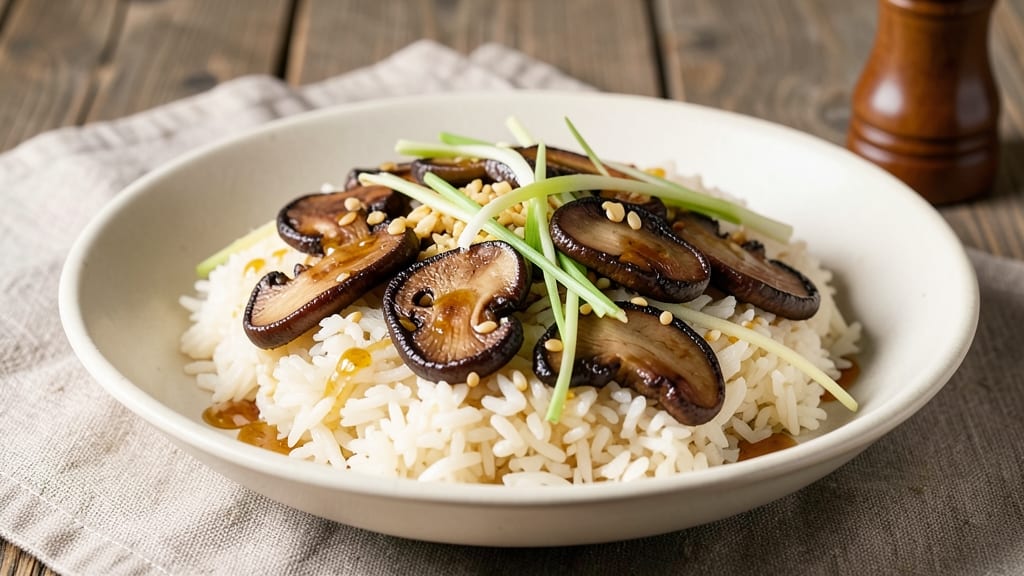
This Chinese mushroom fried rice recipe delivers restaurant-quality umami crunch in just 25 minutes, perfect for weeknight dinners or weekend feasts. The secret lies in wok-tossed mushrooms that develop deep savory notes while maintaining their satisfying texture, paired with day-old jasmine rice for ideal bite.
I developed this method after years of perfecting stir-fry techniques, ensuring every bite delivers that signature wok hei aroma.
What sets this dish apart is the balanced harmony of ingredients: earthy shiitake mushrooms, aromatic garlic-ginger paste, and fresh scallions create layers of flavor that complement the nutty rice. The dish is naturally adaptable—add tofu for vegetarian versions or shrimp for extra protein.
With minimal prep and maximum flavor, this fried rice becomes your new go-to weeknight staple that impresses without requiring advanced skills.
Ingredients for chinese mushroom rice
Earthy mushrooms, aromatic garlic-ginger, and nutty sesame create restaurant-quality fried rice in minutes.
| Ingredient | Amount | Notes |
|---|---|---|
| Day-Old Jasmine Rice 🍚 | 4 cups | Cold from fridge for ideal texture |
| Shiitake Mushrooms 🍄 | 8 oz | Fresh or rehydrated, sliced thin |
| Scallions 🧅 | ½ cup | Green parts only, finely chopped |
| Garlic Cloves 🧄 | 6 cloves | Minced for aromatic base |
| Fresh Ginger 🌿 | 1 ½ tbsp | Grated, for zesty depth |
| Sesame Oil 🫒 | 1 tbsp | Toasted for nutty aroma |
| Soy Sauce 🍶 | ⅓ cup | Light or dark, to taste |
| Vegetable Oil 🫒 | 2 tbsp | High smoke point for wok |
| Oyster Sauce 🍶 | 1 ½ tbsp | Vegetarian version preferred |
| Sesame Seeds 🌾 | 1 tbsp | Toasted for garnish |
| White Pepper 🌶️ | ½ tsp | Freshly ground for heat |
| Salt 🧂 | ½ tsp | Adjust to taste |
| Tofu (optional) 🥬 | ½ lb | Firm, cubed for protein |
The shiitake mushrooms are the star here—fresh ones have the most umami, but dried shiitake rehydrated in hot water works beautifully too. For best texture, slice them just before cooking to prevent over-mushiness. Asian markets carry the freshest varieties, but most grocery stores stock them in the produce section. The jasmine rice should be day-old—fresh rice turns mushy when fried. If you only have freshly cooked rice, spread it on a tray and refrigerate for 30 minutes before using. The garlic and ginger should be peeled and grated while still cold to preserve their bright flavors.
No sesame oil? Toasted peanut oil adds a similar nutty depth, though the flavor profile will differ slightly. Substituting oyster sauce? Vegetable stock with a splash of soy sauce mimics its savory richness. The tofu, if using, should be pressed and cubed—pat it dry before cooking to prevent splattering. For extra crunch, add 1/4 cup frozen peas at the end. The scallions should be washed and dried thoroughly to avoid a soggy texture. If you're short on time, pre-minced garlic and ginger from the jar works, though fresh is always preferred for maximum flavor.
This dish reheats beautifully—store leftovers in an airtight container for up to 4 days in the fridge. For longer storage, freeze portions in single-serving containers for up to 3 months. The mushrooms and scallions can be prepped ahead and stored in the fridge for 2 days before cooking. Garnish with toasted sesame seeds right before serving to maintain their crisp texture. For a vegetarian protein boost, add cubed tofu or edamame at the end of cooking. The dish tastes even better the next day as flavors meld further.
Why You'll Love This Recipe
- Uses Leftovers Like Magic: I swear by this recipe for my lunchbox—cold rice gets a second life with mushrooms that soak up all the garlic-ginger oil. No reheating needed; just pack it and go.
- One-Pan, Zero Stress: Honestly, this is my "I have nothing else to cook" dish. Sauté mushrooms, toss in rice, sprinkle scallions—done. The wok’s residual heat finishes it while you chop herbs.
- Umami Bomb in 20: That first bite? The shiitakes release their earthy punch when seared, then mingle with ginger’s bite. It’s the kind of flavor that makes you pause mid-bite—no fancy ingredients, just pure satisfaction.
- Budget Meal That Feeds: A single batch stretches to three lunches, and shiitakes last forever in the fridge. I buy them dried, hydrate them, and stretch the jar into multiple meals. Frugal? Yes. Delicious? Ridiculously.
Step-by-step instructions for Chinese mushroom fried rice
Master this wok-tossed technique for restaurant-quality texture and layered umami flavors.
Prepare the Aromatic Base
Heat the 2 tablespoons vegetable oil in a wok or large skillet over medium-high heat until shimmering. Add the 8 ounces sliced shiitake mushrooms and stir-fry for 3-4 minutes until they release their moisture and begin to brown. The mushrooms should develop a deep, caramelized edge while retaining some chew.
Push the mushrooms to one side of the wok and add the 6 cloves minced garlic and 1.5 tablespoons grated fresh ginger. Cook for 30 seconds until fragrant—this quick cooking prevents the garlic from burning while allowing the ginger to mellow. Real talk: don't walk away. Garlic burns faster than you think. If the mushrooms release too much liquid, let it evaporate completely before proceeding.
Cook the Protein and Seasonings
If using the 0.5 pound cubed tofu, add it to the wok now and cook for 2-3 minutes until lightly golden. Remove the tofu and set aside. Increase heat to high, then add the 0.5 cup finely chopped scallions and stir for 1 minute until wilted but still vibrant.
Pour in the 0.33 cup soy sauce and 1.5 tablespoons oyster sauce, stirring constantly to combine. Add the 0.5 teaspoon white pepper and 0.5 teaspoon salt, then return the tofu to the wok. Cook for another 1 minute to let the seasonings meld with the protein. The sauce should coat the back of a spoon but not be overly wet—this ensures proper texture in the final dish.
Incorporate the Cold Rice
Add the 4 cups cold day-old jasmine rice to the wok, breaking up any clumps with a spatula. Stir-fry vigorously for 2-3 minutes until the rice is evenly coated and begins to sizzle. The cold rice absorbs the flavors quickly, so don't rush this step. If the wok gets too dry, add 1-2 tablespoons water to create steam and prevent sticking.
Here's the thing—using cold rice is critical. Freshly cooked rice releases too much moisture, resulting in mushy fried rice. The starches have already set in day-old rice, allowing them to crisp slightly during the stir-fry while maintaining their individual grains.
Finish with Sesame Oil and Garnish
Drizzle the 1 tablespoon sesame oil over the rice and toss quickly to distribute evenly. The oil should coat the grains but not pool at the bottom. Remove the wok from heat and let it rest for 1 minute—this allows the flavors to settle and prevents over-stirring, which can make the rice gummy.
Garnish immediately with 1 tablespoon toasted sesame seeds and an additional sprinkle of scallions. Serve while hot, straight from the wok. The dish should have a balance of textures: crispy mushrooms, tender rice, and slightly chewy tofu (if used), all bound together by the savory-sweet sauce. Each bite should deliver umami depth from the mushrooms and oyster sauce, with a nutty finish from the sesame oil.
Pro Tips For Making Chinese Mushroom Rice
- STIR-FRY MUSHROOMS FAST: Use a wok or heavy skillet on maximum heat—no medium-low nonsense. Shiitake mushrooms release moisture like crazy, and the only way to get them crisp-tender is by searing them hard for 2-3 minutes before adding anything else. (Yes, even if you’re impatient like me.)
- SLICE GINGER THIN: Skip the big chunks—this isn’t stir-fry for beginners. Mince that ginger into paper-thin matchsticks (about 1/8-inch thick) so it dissolves into the oil instead of sitting like a chewy afterthought. Trust me, your nose will thank you when the aroma hits.
- DON’T OVERSTIR THE RICE: Once the rice hits the pan, work fast but don’t fluff it like a pillow. You’re not making a soufflé—you’re reviving grains. Toss gently with tongs, just enough to separate clumps, then let the residual heat from the wok finish the job. Overworking turns it mushy.
- SAVE TIME WITH COLD RICE: No need to reheat the rice separately—cold, day-old jasmine rice is your friend. Toss it straight from the fridge into the wok with the mushrooms (after they’ve seared), and the contrast in temps jumpstarts the crisping. (Your future self will thank you for skipping the microwave step.)
Regional styles of these flavors
Cantonese Style
In Cantonese cuisine, this dish becomes a vegetarian-friendly take on classic char siu rice—often served with crispy roasted pork in traditional versions. The key difference is using dried shiitake mushrooms rehydrated in soy sauce and a splash of Shaoxing wine for deeper umami.
I like adding 1 tbsp of Shaoxing wine when cooking the mushrooms for that authentic touch. Garnish with crispy fried shallots for extra texture, a staple in Cantonese home cooking. 🌶️
Sichuan Spicy Twist
For a Sichuan-inspired version, crank up the heat with 1 tbsp chili bean paste and 1 tsp Sichuan peppercorns toasted in the oil before adding mushrooms. The peppercorns add a signature tingling numbing sensation that pairs perfectly with the earthy mushrooms.
I also stir in 1 tbsp of light chili oil at the end for a fiery finish. Serve with pickled vegetables on the side to balance the spice. 🔥
Hong Kong Street Food
Hong Kong street vendors often serve mushroom fried rice as a quick, protein-packed meal. The local version uses oyster mushrooms for their meatier texture and includes crispy fried egg on top.
For this style, cook the rice with 1 extra egg cracked into the wok at the end—let it set slightly for a runny yolk. Add 1 tsp of sugar to the sauce to mimic the slightly sweet profile of street food versions. 🍳
Taiwanese Home-Style
Taiwanese home cooks often make this dish with black mushrooms (instead of shiitake) for their stronger umami and slightly chewier bite. The sauce gets a sweeter touch with 1 tsp of brown sugar added during cooking.
I also recommend adding 1 tbsp of fermented black beans (sold in Asian markets) for a funky, salty depth that’s characteristic of Taiwanese home cooking. Serve with a side of spicy mustard greens for a complete meal. 🌱
Modern Fusion Adaptations
For a modern twist, try adding kimchi for tangy crunch—about ¼ cup chopped and stir-fried with the mushrooms. Or swap the soy sauce for tamari and add 1 tbsp of miso paste for a Japanese-inspired umami boost.
I’ve also seen creative versions with crispy prosciutto for a sweet-savory contrast. The possibilities are endless when you experiment with global flavors! ✨
Nutrition facts
Frequently asked questions
Why does my Chinese mushroom fried rice turn out mushy?
Using freshly cooked rice is the #1 culprit—it releases too much moisture when stir-fried. Always use day-old cold rice that's been refrigerated. If you must use fresh rice, spread it on a tray and chill for 30 minutes first. Also, avoid overcrowding the wok—cook in batches if needed to maintain proper heat and texture.
Can I make this recipe with other types of mushrooms?
Oyster mushrooms add a meaty texture, while cremini mushrooms work well for a milder flavor. For maximum umami, try shiitake and oyster mushrooms together (4 oz each). Avoid button mushrooms—they're too watery. Always slice mushrooms just before cooking to prevent sogginess.
How do I make this vegetarian without tofu?
Swap tofu for 1 cup of edamame (shelled) or ½ cup of frozen peas and carrots for color and crunch. For extra protein, add ½ cup of crispy baked tempeh or 1 cup of chopped bell peppers. The key is maintaining texture contrast—keep your protein or veggie add-ins firm.
What's the secret to getting that wok hei aroma?
Wok hei ("breath of the wok") comes from high heat and proper ventilation. Use a well-seasoned wok or cast-iron skillet on high heat and keep the oil hot. Toss ingredients continuously to create steam and smoke. A gas stove works best—electric stoves struggle to maintain consistent high heat. The dish should smell smoky and aromatic when finished.
Can I prep ingredients ahead of time?
Yes! Prep all ingredients 1 day ahead—slice mushrooms, chop scallions, mince garlic/ginger, and measure sauces. Store in airtight containers in the fridge. The only thing you shouldn't prep is the sesame oil—add it fresh at the end to preserve its nutty aroma. This makes assembly 5 minutes faster on busy days.