
Main Courses
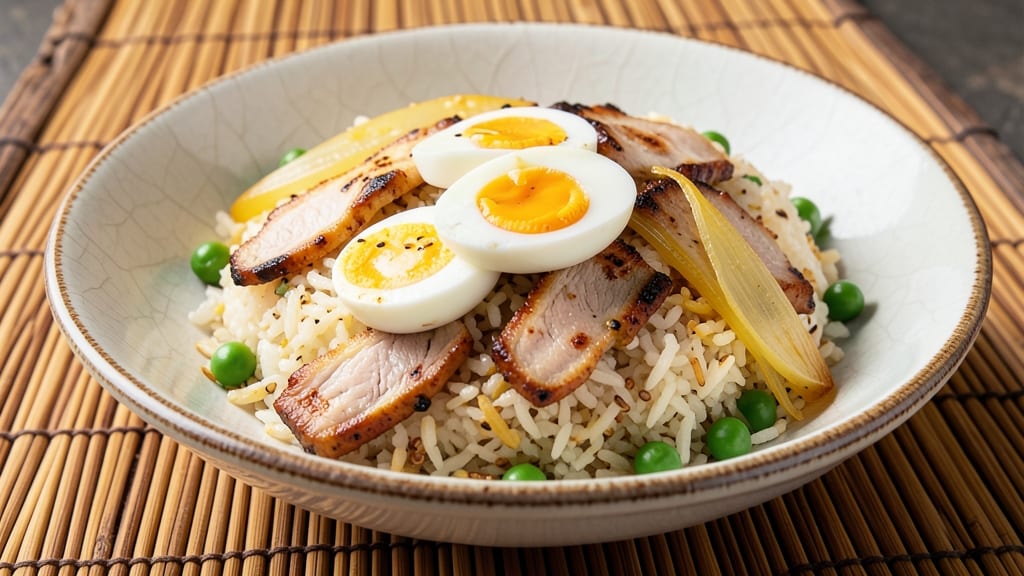
This Chinese restaurant-style pork fried rice delivers the same wok-heated crisp and eggy flavor bombs you crave from takeout. The secret lies in perfectly cooked day-old rice, high-heat stir-frying, and a balance of savory pork, sweet peas, and aromatic soy sauce.
I've recreated this dish after studying restaurant techniques, and the results are indistinguishable from your favorite takeout spot.
What makes this recipe work is the three-step process: first, sear the pork until crispy; second, scramble the eggs into soft, fluffy curds; then, toss everything together with the rice and seasonings.
The rice must be dry and separate—never mushy—so it absorbs flavors without turning soggy. High heat is critical for that signature wok char and smoky aroma that defines authentic fried rice.
Ingredients for chinese restaurant pork fried rice
Perfectly crisp pork, fluffy eggs, and aromatic soy—this is your takeout fix in one pan.
| Ingredient | Amount | Notes |
|---|---|---|
| Day-Old Cooked White Rice 🍚 | 4 cups | Cold and separate grains preferred |
| Boneless Pork Shoulder 🥓 | 1 lb | Thinly sliced against grain |
| Large Eggs 🥚 | 3 whole | Fresh, room temperature |
| Fresh Green Peas 🌱 | 1 cup | Frozen works too (thaw first) |
| Yellow Onion 🧅 | 1 whole | Thinly sliced |
| Garlic Cloves 🧄 | 6 cloves | Minced finely |
| Light Soy Sauce 🍶 | 3 tbsp | Kikkoman preferred |
| Dark Soy Sauce 🍶 | 1 tbsp | For color depth |
| Sesame Oil 🫒 | 1 tbsp | Toasted, for aroma |
| Vegetable Oil 🫒 | 3 tbsp | High smoke point |
| Fresh Ginger 🧅 | 1 tbsp | Finely grated (packed) |
| White Pepper 🌶️ | ½ tsp | Freshly ground |
| Salt 🧂 | 1 tsp | Adjust to taste |
The pork makes or breaks this dish. Look for well-marbled pork shoulder at the butcher counter—it stays juicy when seared. Costco often has pre-sliced pork for stir-fry, but if you're buying whole, ask for thin slices cut against the grain. Fresh ginger is a must here—Trader Joe's sells pre-grated in jars, but freshly grated has way more punch. The rice? Day-old is non-negotiable—fresh rice turns mushy when stir-fried. Spread leftover rice on a tray to cool overnight.
No pork shoulder? Chicken thigh or shrimp works in a pinch—just adjust cooking time. Eggs can be swapped for silken tofu if you're veggie-leaning, but trust me on the eggs for that authentic eggy flavor bomb. Frozen peas are fine, but thaw and drain them well—no one wants soggy rice. The soy sauces are key: light soy for flavor, dark soy for color. If you only have one, use light soy and add a pinch of sugar. Sesame oil is aromatic but potent—start with less if you're sensitive to strong flavors.
This reheats beautifully—just add a splash of water and stir-fry again. Keeps for 4 days in the fridge, 3 months frozen. I double the batch and freeze half for lazy nights. For extra crisp, spread the fried rice on a tray and broil for 2 minutes at the end. Garnish with scallions or sesame seeds if you're feeling fancy—no judgment if you skip it. The leftovers taste even better the next day as all the flavors meld.
Why You'll Love This Recipe
- Uses Leftover Rice: I swear by this trick—day-old rice? That’s the secret weapon. No soggy mess, just perfect texture every time. Honestly, it’s the one thing that makes this dish foolproof.
- Crispy Pork Magic: That pork shoulder gets sliced thin, stir-fried just right—chewy edges, tender center. It’s the kind of bite you’ll chase with every forkful, and it’s all from a cheap cut that’s easy to find.
- One-Pan Wonder: Stir-fry the pork, scramble the eggs, toss in the peas and onions—all in the same pan. One spatula, minimal cleanup. Between us, this is the recipe I make when I’d rather watch TV than wash dishes.
- Budget Crowd-Feeder: A pound of pork shoulder, a handful of peas, a few eggs—this feeds four for under $10. It’s my go-to for game nights or lazy Sundays when I want to impress without breaking the bank.
Step-by-step instructions for Chinese restaurant-style pork fried rice
Here's how to recreate that perfect wok-heated texture and bold flavor combination at home.
Prep and Sear the Pork Shoulder
Slice the 1 lb boneless pork shoulder thinly against the grain into ¼-inch thick strips. This ensures tender bites that cook quickly in the wok. Heat 2 tablespoons vegetable oil in a wok or large skillet over medium-high heat until shimmering. Add the pork strips in a single layer and sear undisturbed for 2-3 minutes until the edges turn golden brown.
Stir the pork and cook for another 2-3 minutes until fully cooked through but still slightly tender. Remove the pork from the wok and set aside. The pork should have a nice caramelized crust while remaining juicy inside—this is what gives restaurant-style fried rice its depth of flavor. If the pork releases easily from the pan, it's ready. If not, cook for another 30 seconds.
Scramble the Eggs with Aromatics
In the same wok, add 1 tablespoon vegetable oil and swirl to coat. Add the 1 whole yellow onion (thinly sliced) and 6 cloves garlic cloves (minced finely) along with the 1 tablespoon fresh ginger (finely grated). Stir-fry for 1-2 minutes until the onions soften and become translucent, and the aromatics release their fragrance.
Push the aromatics to one side of the wok and crack in the 3 whole large eggs (room temperature). Let them sit undisturbed for 10 seconds until the edges begin to set. Then gently scramble with a spatula, folding the eggs as they cook. Once mostly set but still slightly runny in the center, remove from the wok and set aside with the pork. The eggs should be soft and custardy—this is key for that restaurant-style texture.
Stir-Fry Vegetables and Incorporate Rice
Add the remaining 1 tablespoon vegetable oil to the wok and heat over high heat. Add the 1 cup fresh green peas (thawed if frozen) and stir-fry for 1-2 minutes until heated through and bright green. Spread the 4 cups day-old cooked white rice (cold and separated grains) evenly across the wok.
Stir-fry the rice vigorously for 2-3 minutes until every grain is heated through and begins to crisp at the edges. This is where the magic happens—the high heat creates that perfect wok-hei (breath of the wok) flavor. The rice should look slightly charred in spots but still separate easily. If it sticks, add another ½ tablespoon vegetable oil to help release it.
Combine Everything with Sauces
Return the pork and egg mixture to the wok. Add 3 tablespoons light soy sauce, 1 tablespoon dark soy sauce, 1 tablespoon sesame oil, 0.5 teaspoon white pepper, and 1 teaspoon salt. Stir-fry everything together for 2-3 minutes until the rice is evenly coated and the flavors meld.
The dark soy sauce will give the fried rice its signature dark color and rich umami flavor. Taste and adjust seasoning if needed—you might want to add a splash of water if the rice is too dry. The final dish should have a balance of textures: crispy rice edges, tender pork, soft eggs, and bright peas. The aroma should be intoxicating—smoky from the wok, nutty from the sesame oil, and savory from the soy sauces.
Finish with High Heat for Wok-Hei
Increase the heat to maximum and stir-fry for another 30-60 seconds, tossing vigorously to create steam and that signature wok-hei flavor. The rice should look slightly charred in spots and the edges should be crispy. This final step is crucial—it's what separates home-style fried rice from restaurant-style.
Serve immediately while still hot and sizzling. The fried rice should be packed with flavor in every bite, with each component—pork, egg, peas, and rice—clearly identifiable yet perfectly harmonized. The texture should contrast beautifully: crispy rice, tender pork, creamy eggs, and bright peas. This is the moment you'll understand why this dish is a Chinese restaurant staple.
Pro Tips For Making Chinese Restaurant Pork Fried Rice
- CRISP THE RICE HOT: Spread your day-old rice on a baking sheet and microwave it dry for 2-3 minutes before stir-frying—this guarantees it’ll sizzle and separate instead of turning mushy. I learned this the hard way after serving soggy rice that tasted like glue.
- CUT PORK SMALLER THAN YOU THINK: Dice that pork shoulder into ½-inch cubes or smaller—anything bigger turns chewy and undercooked by the time the rice is done. My first few batches had tough chunks because I was lazy with the knife.
- SALT THE EGGS FIRST: Whisk your eggs with a pinch of salt before scrambling, then let them sit for 5 minutes before cooking. This keeps them tender and prevents that rubbery texture that ruins the whole dish. (Yes, even if you're impatient like me.)
- STIR-FRY IN BATCHES: Cook the pork and veggies in two separate heats—pork first until browned, then set aside—so nothing steams and loses its texture. Crowding the pan just makes everything limp, and we’re going for that wok-hei crunch.
Dietary considerations for chinese restaurant pork fried rice
Gluten-Free Adaptations
Swap the light and dark soy sauces (which contain gluten) for tamari or a gluten-free soy sauce like San-J Tamari. Use the same amounts—3 tbsp tamari and 1 tbsp dark tamari—to maintain the dish’s umami depth.
Double-check labels, as some brands process soy sauce in gluten-containing facilities. 🌱
Low-Sodium Options
If you're watching sodium, reduce the light soy sauce to 2 tbsp and use low-sodium soy sauce (like Kikkoman Low Sodium). Add ½ tsp extra sugar to balance the flavor, as low-sodium versions can taste flat.
For the dark soy sauce, stick to 1 tbsp—it’s less salty but still adds color. Taste as you go and adjust with a pinch of salt if needed.
Vegetarian Swaps
Replace the pork shoulder with extra-firm tofu (pressed and cubed) or mushrooms (shiitake or oyster) for umami. Sauté the tofu in 1 tbsp cornstarch before cooking for crispiness. For a meaty texture, hearts of palm (drained and sliced) work surprisingly well.
Keep the egg and pork portions the same to maintain the dish’s structure and flavor balance.
Dairy-Free Notes
This recipe is naturally dairy-free, but if you’re using silken tofu instead of eggs, ensure it’s plain and unflavored. Avoid adding any cheese or cream-based garnishes. The eggs in the original recipe are optional—omit them entirely if avoiding dairy, but the dish will lose its signature eggy flavor bombs.
A sprinkle of nutritional yeast adds a cheesy note without dairy. 🥚
Spice Adjustments
For a milder version, skip the white pepper and use ½ tsp ground white pepper instead. If you love heat, add ½ tsp chili crisp or 1 tsp sriracha with the soy sauces.
For a sweet-spicy kick, stir in 1 tsp honey or maple syrup at the end. Always taste before serving—fried rice absorbs flavors quickly, so start conservatively.
Protein Flexibility
Need a seafood twist? Swap pork for shrimp (peeled and deveined) or scallops. Cook shrimp for 1-2 minutes per side until pink and opaque. For chicken, use thighs (not breast) to avoid dryness.
If using beef, opt for flank steak—slice thinly against the grain and marinate in 1 tbsp soy sauce for 15 minutes before cooking. Adjust cooking times accordingly.
Nutrition facts
Frequently asked questions
Why does my fried rice turn out mushy instead of crispy?
Using fresh rice is the #1 mistake! Day-old rice is essential because it's dry and separates easily. Spread freshly cooked rice on a tray to cool overnight. Also, stir-fry over high heat and use enough oil (3 tbsp total) to prevent sticking. The rice should be slightly charred in spots for that restaurant-style texture.
Can I make this with frozen peas instead of fresh?
Yes, but thaw and drain them thoroughly first—no one wants soggy peas in their fried rice! Spread frozen peas on a paper towel-lined plate and let sit for 10 minutes before adding to the wok. This removes excess moisture that makes rice mushy. For extra flavor, add a pinch of salt to the thawing peas.
What's the secret to getting that perfect eggy texture?
Let the eggs sit undisturbed for 10 seconds after cracking to form soft curds, then gently fold them. Use room-temperature eggs for even cooking, and remove them from the wok when they're mostly set but still slightly runny in the center. The eggs should be creamy, not scrambled—this is what gives authentic fried rice its signature texture.
How do I prevent the pork from drying out?
Slice the pork thinly against the grain (¼-inch thick) so it cooks quickly. Use well-marbled pork shoulder for juiciness, and don't overcook—remove it when it's just cooked through (2-3 minutes total). Let it rest for 1 minute before adding back to the rice to redistribute juices.
Can I make this in a regular skillet instead of a wok?
While a wok gives that signature wok-hei flavor, a 12-inch cast-iron skillet works perfectly. Use high heat and stir constantly to prevent sticking. Add a little extra oil if needed, and don't overcrowd the pan—cook in batches if necessary. The key is maintaining high heat for that crispy texture.