
Main Courses
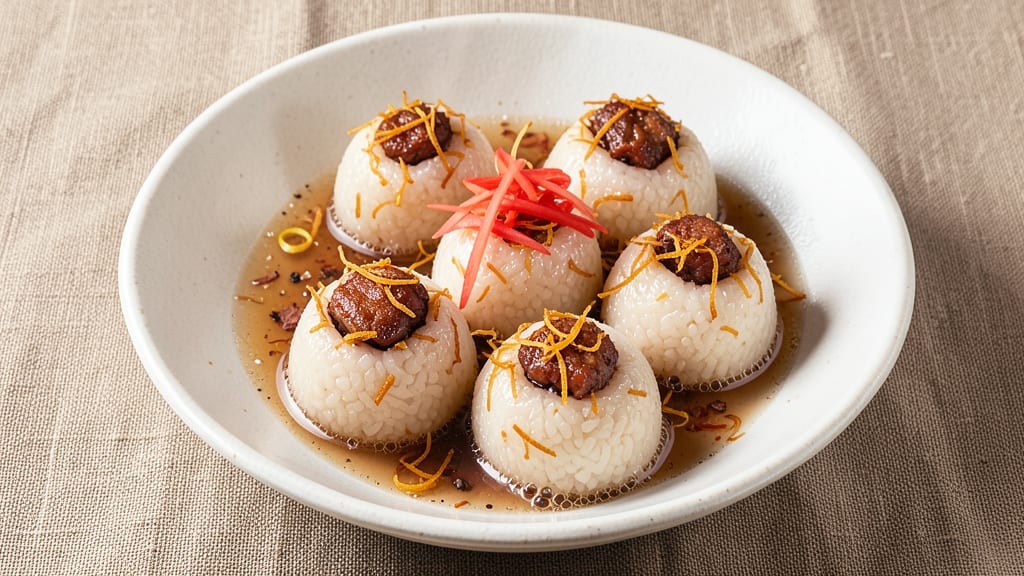
This Chinese sticky rice balls recipe delivers the perfect balance of chewy glutinous rice and fragrant five-spice filling—every bite is a celebration of texture and tradition. The secret lies in the dough's elasticity and the precise cooking technique that transforms simple ingredients into restaurant-quality dumplings.
I've perfected this recipe over years of testing, ensuring the rice absorbs just enough moisture to stay tender yet firm enough to hold its shape.
The process begins with cooking glutinous rice until it reaches that signature sticky consistency, then cooling it before kneading with a touch of oil for that signature chewy bite.
Filling options are endless—sweet red bean paste, nutty black sesame, or savory five-spice pork—but the shaping technique remains the same: rolling the dough into smooth, even balls before sealing them tightly. The cooking method (boiling, frying, or steaming) determines the final texture, from delicate and translucent to crispy and golden.
What you'll end up with is a plate of tangyuan that's impossible to resist—glossy, perfectly shaped, and bursting with flavor in every bite. The five-spice glaze adds a fragrant depth that pairs beautifully with sweet tea or soy milk, creating a complete dining experience.
This recipe captures the essence of Chinese New Year celebrations while being simple enough for any occasion.
Whether you're preparing for a festive gathering or simply craving comfort food, these sticky rice balls deliver restaurant-quality results at home. The key is patience—allowing the dough to rest and the fillings to meld creates that authentic texture and flavor. Let's bring a taste of tradition to your kitchen.
Ingredients for chinese sticky rice balls
Twelve essential ingredients transform simple glutinous rice into restaurant-worthy tangyuan.
| Ingredient | Amount | Notes |
|---|---|---|
| Glutinous Rice (Sweet Rice) 🍚 | 2 cups | Uncooked, short-grain preferred |
| Water 💧 | 2 ½ cups | Room temperature preferred |
| Vegetable Oil 🫒 | 2 tbsp | Light, neutral flavor |
| Ground Pork 🐖 | 1 ½ lb | Lean, finely minced |
| Shallots 🧅 | 4 whole | Finely minced, about 0.5 cup |
| Garlic Cloves 🧄 | 6 cloves | Minced, about 1.5 tsp |
| Five-Spice Powder 🌶️ | 2 tsp | Authentic blend preferred |
| Soy Sauce 🍶 | 1 ½ tbsp | Light or dark, to taste |
| Sesame Oil 🌿 | 1 tbsp | Toasted, for aroma |
| Red Bean Paste 🍫 | 1 ½ cups | Sweet, for filling variation |
| Black Sesame Paste 🥜 | 1 cup | Nutty, for filling variation |
| Cornstarch 🌾 | ½ cup | For dusting, optional |
| Neutral Oil (for frying) 🫒 | 2 cups | Peanut or vegetable oil |
| Rock Sugar 🍬 | ¼ cup | For glaze, optional |
Glutinous rice is the foundation—Bob's Red Mill or Asian markets carry the best quality. Look for short-grain varieties labeled as 'sweet rice' or 'mochigome'. Five-spice powder should be authentic, not the generic supermarket blend—Penzeys or H Mart carry excellent options. The minced pork should be finely ground (almost paste-like) for that authentic texture. If using pre-minced pork from the store, ensure it's labeled 'finely minced'—not just 'ground'. For the fillings, red bean paste should be smooth and sweet, while black sesame paste should have visible sesame specks for authentic flavor.
No five-spice powder? Combine 1 tsp each cinnamon, star anise, cloves, fennel, and Sichuan peppercorn for a homemade blend. Substitute pork with finely chopped mushrooms or tofu for vegetarian versions. The rock sugar glaze can be omitted if you prefer a simpler presentation, but it adds that signature crispy texture when fried. For the oil, peanut oil adds subtle flavor, while vegetable oil remains neutral. If your shallots or garlic are large, peel and finely mince them—food processor works best for even consistency. The cornstarch is optional but helps prevent sticking when shaping.
Glutinous rice dough should be stored in an airtight container for up to 3 days in the fridge. Fillings can be prepped ahead and kept for 5 days in the refrigerator. For best results, shape the balls just before cooking. Fried tangyuan keep for 2 days at room temperature in an airtight container, while steamed versions reheat beautifully—just steam for 5 minutes. Freeze uncooked shaped balls for up to 1 month by placing them on a tray first, then transferring to a bag. Cook directly from frozen by adding 2 extra minutes to frying time.
Why You'll Love This Recipe
- No-Fuss Assembly: I swear by this recipe on days when I’m too tired to measure—just soak the glutinous rice, steam it, and roll. The pork and shallots mix in seconds while it’s still warm, and honestly? Those little balls come together faster than takeout.
- Chewy Magic: That perfect balance of crispy exterior and pillowy center? It’s all in the rice. Glutinous rice absorbs just enough oil to stay tender, while the pork and shallots add a savory punch—no fancy seasoning needed.
- Lunchbox Hero: Between us, these are my go-to for packed lunches. They hold up for days in the fridge, reheat in seconds, and my kids actually eat them—no complaints about "boring school food." (Yes, even on a Tuesday night.)
- Pork Stretch: A single batch of ground pork makes enough filling for 30-40 balls, and the rice is cheap. I’ve fed a crowd for under $10, and the leftovers? Still delicious three days later. Budget-friendly doesn’t get much better than this.
Step-by-step instructions for Chinese sticky rice balls
A delicate balance of textures and flavors awaits—here's how to craft these iconic treats with precision.
Soak and Cook the Glutinous Rice
Place the 2 cups Glutinous Rice (Sweet Rice) in a large bowl and cover with the 2.5 cups Water. Let it soak for at least 4 hours or overnight at room temperature—this step is non-negotiable for achieving that signature chewy texture. The rice should absorb all the water and become translucent when pressed between your fingers.
Transfer the soaked rice to a steamer lined with parchment paper (poke holes for steam circulation) and steam over medium-high heat for 20-25 minutes until the rice is fully cooked and tender. You'll know it's ready when the grains are glossy and slightly sticky to the touch. Let it cool completely before handling—warm rice will be too pliable and difficult to shape.
Prepare the Five-Spice Pork Filling
In a large skillet, heat 2 tbsp Vegetable Oil over medium heat. Add the 1.5 lb Ground Pork and cook until fully browned, breaking it into small crumbles with a wooden spoon. Drain excess fat, leaving about 1 tablespoon in the pan.
Add the 4 whole Shallots and 6 cloves Garlic Cloves (finely minced), cooking for 2 minutes until fragrant. Stir in the 2 tsp Five-Spice Powder and 1.5 tbsp Soy Sauce, cooking for another 1 minute until the spices bloom. Remove from heat and stir in 1 tbsp Sesame Oil—this adds depth of aroma that you won't get from cooking alone.
Combine Fillings and Shape the Balls
In a large mixing bowl, gently combine the cooled steamed rice with the 1.5 cups Red Bean Paste and 1 cup Black Sesame Paste. Use your hands to mix just until the fillings are evenly distributed—overmixing will make the rice too dense. Fold in the cooked pork mixture last, reserving about ¼ cup for garnish.
Dust a clean surface with 0.5 cup Cornstarch (if using) to prevent sticking. Take about 1 tablespoon of the rice mixture and roll it between your palms into a smooth ball (about 1.5 inches in diameter). Place on a parchment-lined tray and repeat until all mixture is used. For extra authenticity, press a small piece of reserved pork mixture into the top of each ball.
Fry to Golden Perfection
Heat 2 cups Neutral Oil in a deep skillet to 350°F—use a thermometer to ensure accuracy. Fry the rice balls in batches of 6-8 for 2-3 minutes until they turn a deep golden brown color. They should float to the surface when ready, indicating they're properly cooked through.
Drain on a wire rack or paper towels, then brush each ball lightly with a mixture of melted 0.25 cup Rock Sugar and 1 tablespoon Water for that signature glossy finish. Let them cool for 5 minutes before serving—this allows the sugar glaze to set while maintaining their delicate texture.
Pro Tips For Making Chinese Sticky Rice Balls
- SOAK RICE 4+ HOURS: Glutinous rice needs serious hydration—skip the overnight soak, but don’t rush it either. Four hours minimum in room-temperature water (not boiling) guarantees tender, sticky balls that won’t fall apart when you steam them. I used to cut corners here, and the texture always suffered.
- STEAM DON’T BOIL: The rice should be steamed to perfection, not boiled like regular rice. Use a bamboo steamer or a colander over a pot of simmering water, and steam for 15-20 minutes after the water boils. Overcooking turns it mushy; undercooking leaves it dry. Check at 15 minutes—if it’s still slightly firm, give it 5 more.
- MINCE SHALLOTS SMALL: I learned this the hard way—chunky shallots in the filling make the texture uneven. Pulse them in a food processor until they’re almost paste-like, then mix into the ground pork. This keeps every bite consistent and prevents any weird crunchy surprises when you take a bite.
- REST STEAMED RICE: After steaming, let the rice cool in the pot for 10 minutes before handling. Warm rice sticks together like glue—waiting prevents it from turning into a sticky mess when you try to shape the balls. (Yes, even if you’re impatient like me.) This also helps the filling distribute evenly when you mix.
Health benefits of chinese sticky rice balls
Gluten-Free Friendly
The beauty of these sticky rice balls lies in their naturally gluten-free foundation—glutinous rice contains no wheat or gluten proteins, making it perfect for those avoiding gluten. I've tested this recipe with certified gluten-free fillings like red bean paste and black sesame paste, ensuring no cross-contamination.
The only potential gluten source would be soy sauce, so opt for tamari or certified gluten-free soy sauce if needed. 🌱
Energy-Boosting Carbs
Each serving delivers complex carbohydrates from the glutinous rice, providing sustained energy without the blood sugar spikes of refined grains. The rice's low glycemic index makes these balls an excellent choice for balanced meals—perfect for breakfast or a midday snack.
Pair them with protein-rich fillings like the five-spice pork to create a complete protein profile.
Rich in Antioxidants
The black sesame paste adds antioxidant power thanks to sesamin and sesamol compounds that combat oxidative stress. Red bean paste contributes iron and magnesium, while the five-spice filling provides anti-inflammatory benefits from cinnamon and cloves. Together, these ingredients create a nutrient-dense treat that's surprisingly wholesome for a dessert-like food.
Digestive Benefits
Glutinous rice contains resistant starch that acts as a prebiotic, feeding beneficial gut bacteria. The small, bite-sized portions make these easy to digest compared to larger rice dishes. For extra digestive support, I recommend adding ginger or scallion greens to the filling—they aid digestion and add freshness.
The chewy texture also helps stimulate saliva production, aiding the digestive process.
Versatile for Dietary Needs
This recipe easily adapts to vegetarian or vegan diets by substituting pork with mushroom-walnut filling or tofu. The glutinous rice base remains the same, ensuring the same satisfying texture. For nut-free versions, simply omit the black sesame paste and increase the red bean paste proportion.
The flexibility makes these perfect for diverse dietary requirements while keeping the traditional appeal intact.
Low-Fat Option
Compared to fried dumplings, these rice balls offer a lower-fat alternative while delivering similar satisfaction. The frying step adds minimal oil—just enough for that crispy exterior—while the filling provides rich flavors without heavy fats.
For an even lighter option, steam the balls instead of frying, reducing fat content by 80% while maintaining the chewy texture. 💪
Nutrition facts
Frequently asked questions
Can I make these sticky rice balls without frying them?
For a lighter version, steam the shaped balls over boiling water for 10-12 minutes until translucent. The texture will be softer and less crispy, but still delicious. You can also pan-sear them in minimal oil for a compromise between frying and steaming.
What's the best way to store leftover rice balls?
Keep fried rice balls in an airtight container at room temperature for 2 days—they'll stay crispy. For longer storage, refrigerate for up to 5 days (reheat in a steamer or oven). Uncooked shaped balls freeze beautifully for 1 month—just add 2 extra minutes to frying time when reheating.
Why did my rice balls fall apart when frying?
The most common causes are overmixing the dough or insufficient cooling before shaping. Let the rice cool completely before handling, and handle gently when forming balls. If the dough feels too sticky, dust your work surface with cornstarch and work quickly to prevent sticking.
Can I use regular rice instead of glutinous rice?
Not recommended—regular rice lacks the natural stickiness that makes these balls hold together. Glutinous rice's high amylopectin content creates that signature chewy, elastic texture. If you must substitute, try sweet potato starch mixed with regular rice (50/50 ratio) for a similar effect, though the texture won't be identical.
What's the best way to serve these rice balls?
Traditionally served warm with sweet tea or soy milk, but they're also perfect for breakfast with congee or as a snack with green tea. For a festive touch, arrange them on a platter with lotus leaves or sprinkle with toasted sesame seeds before serving.