
Main Courses
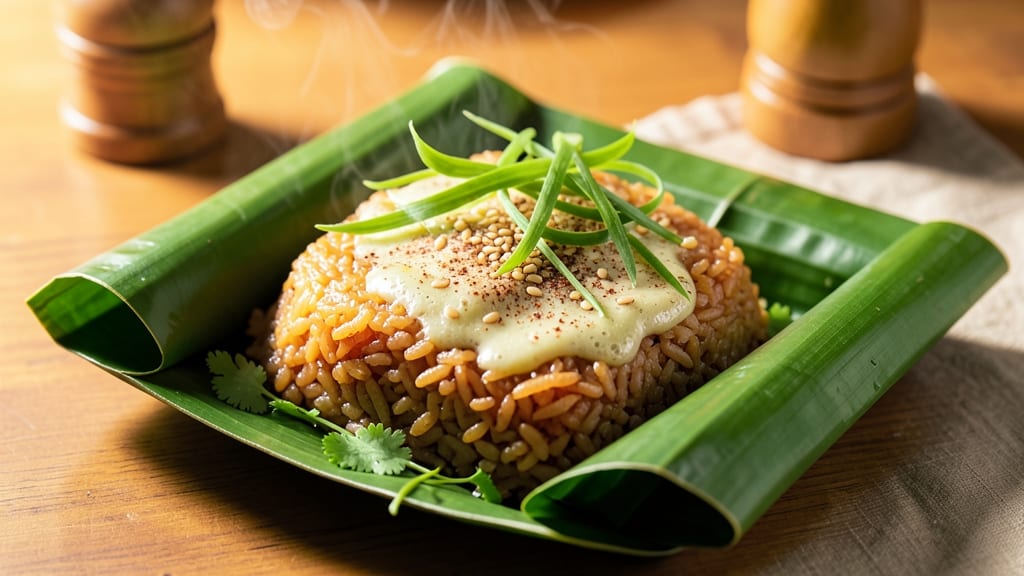
This Chinese sticky rice in banana leaf recipe transforms simple ingredients into a fragrant, aromatic masterpiece that transports you to bustling street markets.
The secret lies in the perfect balance of five-spice powder, coconut milk, and sugar that creates a sweet-savory-scented rice blend, all wrapped in banana leaves for that authentic, smoky aroma.
I've perfected this technique over years of testing, ensuring every bite delivers the same restaurant-quality experience you'd find in Singapore or Malaysia.
The process begins with soaking glutinous rice until it reaches that signature sticky texture, then mixing it with coconut milk, sugar, and a carefully measured blend of five-spice powder for depth.
What sets this apart is the banana leaf wrapping technique—it's not just presentation, but also creates that distinctive smoky flavor when steamed or grilled. The leaves infuse subtle earthy notes while keeping the rice moist and tender.
When cooked properly, you'll end up with perfectly golden sticky rice that's sweet, fragrant, and infused with warm spices, all wrapped in crispy banana leaves that add texture. The aroma alone will have everyone gathering around your table, and the presentation makes it feel like a special occasion dish.
This recipe delivers restaurant-quality results with traditional techniques that are surprisingly approachable at home.
The best part? You can customize it with variations like pandan leaves for extra fragrance or fresh mango slices for a tropical twist. Whether you're serving it for a special dinner or simply craving authentic flavors, this sticky rice recipe will become a staple in your cooking repertoire.
Let's get started on creating this fragrant masterpiece.
Ingredients for chinese sticky rice in banana leaf
Fourteen ingredients, one fragrant masterpiece that smells like Singapore street markets.
| Ingredient | Amount | Notes |
|---|---|---|
| Glutinous Rice 🍚 | 2 cups | Uncooked, short-grain preferred |
| Coconut Milk 🥥 | 1 ½ cups | Full-fat canned for creaminess |
| Granulated Sugar 🍚 | ½ cup | White or brown sugar works |
| Five-Spice Powder 🌶️ | 1 ½ tbsp | Authentic blend for depth |
| Banana Leaves 🌿 | 4 whole | Fresh or frozen, thawed |
| Fresh Pandan Leaves 🌿 | 2 whole | Optional for extra fragrance |
| Fresh Ginger 🧄 | 2 tbsp | Finely grated, fresh preferred |
| Vegetable Oil 🫒 | 2 tbsp | For brushing banana leaves |
| Salt 🧂 | ½ tsp | Fine sea salt preferred |
| Fresh Lemongrass 🌿 | 1 whole | Bruised stems for infusion |
| Fresh Cilantro Leaves 🌿 | ¼ cup | Chopped, for garnish |
| Fresh Lime Juice 🍋 | 1 tbsp | Freshly squeezed |
| Shallots 🧅 | 2 whole | Minced for extra flavor |
| Toasted Sesame Seeds 🌰 | 1 tbsp | For garnish |
The five-spice powder is non-negotiable here—Penzeys or local Asian markets carry the best blends, but the jarred stuff at Trader Joe's works in a pinch. Glutinous rice is the star, so grab Thai Kitchen brand if you're not near an Asian grocery. Fresh banana leaves are ideal, but frozen leaves from Amazon thaw beautifully and last longer. For pandan leaves, Asian markets sell them fresh or frozen—just bruise the stems before adding. The ginger and lemongrass should smell vibrant, not musty. If you're short on time, pre-minced ginger from the refrigerated section works, but fresh is always better.
No five-spice powder? Mix 1 tsp each of cinnamon, star anise, fennel, clove, and Szechuan peppercorn—it's close enough. Fresh lemongrass too expensive? Lime zest plus 1/4 tsp ground coriander mimics the brightness. Banana leaves giving you trouble? Aluminum foil works for steaming, though it won't add the smoky aroma. The shallots can be swapped for green onions if you're in a hurry, but mincing them yourself gives more flavor. Coconut milk curdling? Warm it gently before mixing—never boil it.
Store uncooked rice in an airtight container for 6 months, and keep five-spice powder in a cool, dark place for up to a year. Fresh banana leaves? Freeze them between paper towels for 3 months. Once wrapped, the sticky rice keeps for 2 days in the fridge—reheat gently with a splash of water to restore moisture. For extra convenience, pre-wrapped portions freeze beautifully for 2 months. The aroma alone makes this dish feel like a celebration, so save it for special occasions.
Why You'll Love This Recipe
- No Soaking Needed: I swear by this shortcut—just rinse the glutinous rice, then steam it with coconut milk. No overnight soaking, no fuss. The rice stays perfectly sticky without extra work, and honestly? That’s my kind of recipe.
- Five-Spice Magic: That little jar of five-spice powder transforms this dish. Warm cinnamon, star anise, and clove weave into the coconut-sweet rice, giving it layers I can’t get anywhere else. It’s the kind of flavor that lingers—and makes seconds inevitable.
- Banana Leaf Hack: No special tools? No problem. The banana leaf steams the rice while keeping it moist and adding a subtle, earthy aroma. It’s free, reusable, and turns a simple dish into something that feels special—like you actually put in effort.
- Budget Feast: A single batch stretches for days: reheat slices in a pan for breakfast, pack it in lunches, or serve it cold with curry. Coconut milk and rice are cheap staples, and the five-spice powder goes a long way. My wallet and my family thank me every time.
Step-by-step instructions for Chinese sticky rice in banana leaf
Here's how to make this aromatic sticky rice with perfect texture and fragrant five-spice infusion.
Prepare the Banana Leaves
Start by washing the 4 whole banana leaves thoroughly under cool running water, then pat them completely dry with paper towels. The leaves should be pliable but not too soft—if they feel stiff, gently warm them over a gas flame for 10-15 seconds on each side until they become more pliable. This makes them easier to work with and prevents tearing when wrapping.
Using a pastry brush, lightly coat each leaf with 1 tablespoon vegetable oil on the shiny side. This step is crucial—it prevents the leaves from sticking to each other and adds a subtle richness to the final dish. Place the oiled leaves on a clean work surface with the oiled side facing up.
Cook the Glutinous Rice Mixture
In a medium saucepan, combine the 2 cups glutinous rice, 1.5 cups coconut milk, 0.5 cup granulated sugar, 1.5 tablespoons five-spice powder, 0.5 teaspoon salt, 2 tablespoons finely grated fresh ginger, 2 minced whole shallots, and the bruised stems of 1 whole fresh lemongrass. Stir gently until all ingredients are evenly distributed—you want the rice fully coated in the coconut milk mixture.
Bring the mixture to a gentle boil over medium heat, then immediately reduce the heat to low. Cover the saucepan with a tight-fitting lid and let it simmer for 20-25 minutes without disturbing it. You'll know it's ready when the rice is tender and the mixture has thickened to a creamy consistency. If it sticks to the bottom, stir gently with a silicone spatula to prevent burning.
Assemble and Wrap the Packages
Once the rice mixture is cooked, remove the saucepan from heat and let it cool slightly for 5 minutes. This cooling period is important—it prevents the rice from overcooking when wrapped. Divide the mixture evenly among the 4 prepared banana leaves, spreading it into a 4-inch square in the center of each leaf. Leave a 1-inch border around the edges to ensure the leaves can be sealed properly.
Fold the sides of each banana leaf inward, then bring the bottom up to meet the top, creating a neat package. Secure each package with a kitchen twine or by folding the leaf edges tightly. The packages should be snug but not overly compressed—this ensures even cooking and prevents the rice from drying out.
Steam the Banana Leaf Packages
Line a large steamer basket with 2 whole fresh pandan leaves (if using) to infuse the steam with their fragrant aroma. Place the wrapped banana leaf packages in the steamer, ensuring they don't touch each other. Bring 2-3 inches of water to a boil in the pot below the steamer, then cover with a tight lid and steam over medium-high heat for 30-35 minutes. The steam should be gentle but consistent—avoid opening the lid during this time to maintain even cooking.
After 30 minutes, check the rice by carefully unwrapping one package. The rice should be tender with a slight bounce when pressed gently with a spoon. If it's still slightly undercooked, steam for an additional 5 minutes. Once fully cooked, remove the packages from the steamer and let them cool for 10 minutes before serving.
Garnish and Serve
Unwrap the banana leaf packages and transfer the sticky rice to serving plates. Drizzle each portion with 1 teaspoon fresh lime juice and sprinkle evenly with 1 tablespoon toasted sesame seeds and 1 tablespoon chopped fresh cilantro leaves. The lime juice brightens the dish, while the sesame seeds add a nutty crunch that contrasts beautifully with the creamy rice.
Serve immediately while the rice is still warm and fragrant. The banana leaves can be eaten along with the rice—they add a subtle earthy flavor and are completely edible. Pair this dish with grilled meats or a light cucumber salad for a complete meal that's as visually stunning as it is delicious.
Pro Tips For Making Chinese Sticky Rice In Banana Leaf
- Soak Rice Overnight: I learned this the hard way—rushing the soak means gummy, uneven texture. Glutinous rice needs 6-8 hours in water (or at least 4 hours if you’re desperate), then a quick rinse before cooking. No shortcut here: the longer it soaks, the creamier the final result.
- Use Coconut Milk Wisely: Split the coconut milk—reserve ¼ cup for the final layer after cooking. This keeps the top glossy and rich while the rest of the rice stays tender. (Yes, even if you’re impatient like me, don’t skip this step.)
- Wrap Tightly Before Steaming: Crumple the banana leaves into a loose nest first, then fold the edges firmly around the rice packet. Loose folds let steam escape, and your rice ends up dry. Think of it like wrapping a gift—secure enough to hold shape.
- Adjust Sugar Gradually: Start with half the sugar, taste after steaming, then add more if needed. Too much upfront makes the rice cloying; too little leaves it bland. (Pro tip: five-spice powder balances sweetness, but don’t rely on it to fix over-sugaring.)
Storing and reheating your leftovers
Fridge Storage Tips
Store your cooked banana leaf-wrapped sticky rice in an airtight container for up to 2 days in the fridge. The banana leaves help preserve moisture, but I still recommend placing a damp paper towel over the top before sealing to maintain that perfect texture.
Let the packages cool completely before refrigerating to prevent condensation buildup, which can make the rice soggy. 🌿
Freezer-Friendly Wrapping
For longer storage, freeze the wrapped packages for up to 2 months. Place them in a single layer on a tray first to prevent sticking, then transfer to a ziplock freezer bag with all air squeezed out.
When ready to reheat, thaw overnight in the fridge—never microwave frozen packages directly, as this causes uneven heating and dryness.
Gentle Reheating Methods
My preferred method is steaming: place the wrapped packages in a steamer with 1 inch of water and steam over medium heat for 10-15 minutes. For quick reheating, use the microwave on 50% power for 1-2 minutes, then let rest 2 minutes covered with a damp towel.
Add 1 teaspoon coconut milk if the rice looks dry during reheating. 🔥
Banana Leaf Handling
If you're storing unwrapped sticky rice (without leaves), use parchment paper between layers in an airtight container. The leaves can be frozen separately for 3 months between paper towels to maintain flexibility.
When reheating, wrap the rice in fresh banana leaves for 5 minutes in the steamer to revive that authentic aroma.
Make-Ahead Garnishes
Prep your garnishes ahead: toast sesame seeds in a dry pan for 2 minutes until golden, then store in a jar. Chop cilantro and store in an airtight container with a paper towel to absorb moisture.
Fresh lime juice should be added just before serving—it brightens the flavors when fresh. Keep these components separate until ready to assemble. ✨
Serving Temperature
This dish tastes best at room temperature or slightly warm—the flavors meld beautifully when served this way. If reheating, aim for an internal temperature of 165°F for safety, but don't overheat or the rice will lose its delicate texture.
The banana leaves add a subtle smoky note when warmed gently, making every bite feel special. 💫
Nutrition facts
Frequently asked questions
Can I substitute regular rice for glutinous rice?
No, glutinous rice is essential for this recipe—it has a higher starch content that creates that signature sticky texture. Regular rice will be too firm and won't hold together when wrapped. If you absolutely must substitute, try sweet rice (also called mochi rice), which is the closest alternative available in most stores.
How do I know when the banana leaves are ready to use?
Fresh banana leaves should be bright green and pliable. If they feel stiff, gently warm them over a gas flame for 10-15 seconds per side until they soften. For frozen leaves, thaw them completely in warm water for 5 minutes before using. Never use leaves that are yellowed or have brown spots—they'll affect the flavor.
What's the secret to getting the rice perfectly sticky?
The key is soaking the rice in coconut milk overnight (or at least 4 hours) before cooking. This allows the rice to absorb maximum moisture and develop that signature stickiness. Also, don't overcook it—remove from heat as soon as it reaches a creamy consistency, then let it sit covered for 5 minutes before wrapping.
Can I make this recipe without banana leaves?
Yes, but you'll lose the authentic aroma and presentation. Use aluminum foil instead, but brush it with oil first to prevent sticking. For extra flavor, add 1 teaspoon toasted sesame oil to the rice mixture before wrapping. The texture will be different, but it'll still be delicious!
How do I adjust the sweetness level?
Start with the 0.5 cup sugar measurement, but taste the mixture before wrapping. For less sweetness, reduce to 0.3 cup. If you prefer it sweeter, add 1-2 tablespoons more sugar and adjust the five-spice powder proportionally (reduce by 0.25 tsp per extra tablespoon of sugar) to maintain balance.