
Main Courses
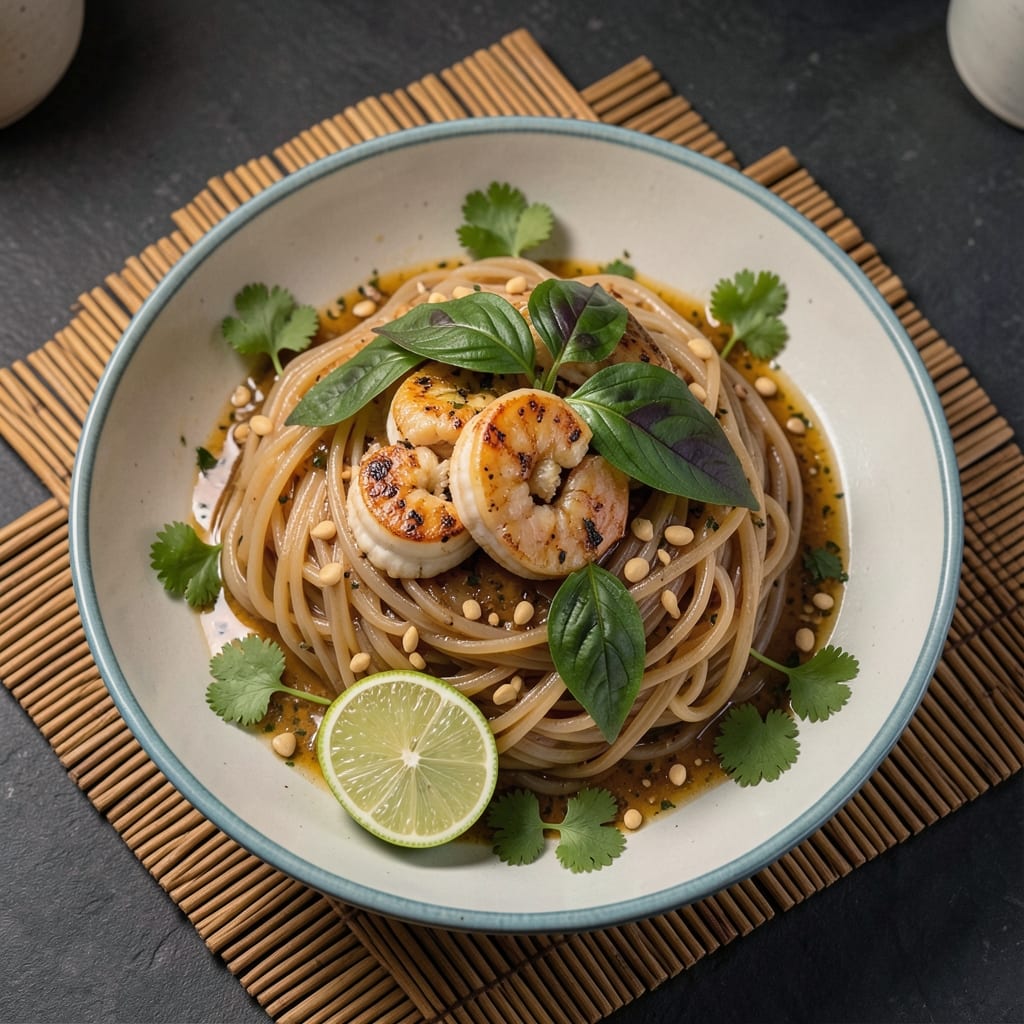
A taste of Thai vermicelli rice noodles recipe brings the vibrant flavors of street-side Thai cuisine to your kitchen table. The dish combines slippery rice noodles with a perfectly balanced sweet-sour sauce, aromatic herbs, and tender protein—all coming together in a harmonious bite. What makes this recipe special is its authenticity while offering flexibility for modern tastes.
The foundation of this dish lies in the sweet-sour sauce, which is tangy yet subtly sweet, with a touch of heat from chili. The noodles are soaked just long enough to become tender yet retain their signature slippery texture. Whether you choose grilled pork, shrimp, or tofu, the protein adds depth to the dish, while fresh herbs like Thai basil and cilantro bring brightness and freshness.
What you’ll achieve is a dish that’s both restaurant-quality and easy to prepare at home. The noodles are served warm, draped with the fragrant sauce and garnished with lime wedges and crushed peanuts for added crunch. This recipe delivers a perfect balance of flavors and textures, making it ideal for a weeknight dinner or a special occasion.
The beauty of this dish lies in its adaptability—swap proteins, adjust the heat level, or add extra vegetables to suit your preferences. Let’s bring the taste of Thailand to your kitchen with this foolproof recipe.
Ingredients for a taste of thai vermicelli rice noodles
Slippery noodles, tangy sauce, and fresh herbs—just 15 ingredients for a Thai-inspired feast.
| Ingredient | Amount | Notes |
|---|---|---|
| Vermicelli Rice Noodles 🍜 | 8 oz | Dried, uncooked, medium width |
| Thai Basil Leaves 🌿 | ½ cup | Fresh, stems removed |
| Fresh Cilantro Leaves 🌱 | ¼ cup | Chopped, for garnish |
| Crushed Peanuts 🥜 | ¼ cup | Toasted, for garnish |
| Lime Wedges 🍋 | 2 whole | Fresh, for serving |
| Protein of Choice 🍗🦐🥬 | 1 lb | Grilled pork, shrimp, or tofu |
| Fish Sauce 🍶 | 2 tbsp | Red Boat preferred |
| Sweet Chili Sauce 🌶️ | 3 tbsp | Store-bought or homemade |
| Lime Juice 🍋 | ½ cup | Freshly squeezed |
| Brown Sugar 🍚 | 2 tbsp | Packed, light variety |
| Garlic Cloves 🧄 | 4 cloves | Minced, fresh |
| Shallots 🧅 | 2 whole | Minced, or sub onions |
| Vegetable Oil 🫒 | 2 tbsp | For stir-frying protein |
| Red Chili Flakes 🔥 | ½ tsp | Adjust for heat preference |
| Salt 🧂 | 1 tsp | Kosher or sea salt |
The noodles are everything here. Vermicelli rice noodles are best—look for the medium-width kind at Asian markets or the international aisle. If you can only find thin ones, use half the amount and soak them longer. Fresh Thai basil? Local Thai grocers or specialty stores usually have it, but regular basil works in a pinch. The protein can be grilled pork (classic), shrimp (quick-cooking), or tofu (vegetarian). Just make sure it's sliced thin and cooked to your liking before adding to the dish.
No fish sauce? Soy sauce plus a splash of coconut aminos gets you close. Sweet chili sauce missing? Mix 1 tbsp honey + 1 tbsp rice vinegar + pinch of red pepper flakes. Shallots too expensive? Onions work fine, just double the amount. The brown sugar can be swapped for coconut sugar or even maple syrup in a bind. For extra heat, add a dash of sriracha to the sauce. And if you're short on lime juice, lemon juice works—just add a pinch of sugar to balance.
Noodles keep best in an airtight container in the fridge for 3-4 days, but they're best fresh. The sauce? Make it fresh too—it's never better than when you're about to eat. If you're prepping ahead, store the sauce separately and toss it with the noodles when ready. The crushed peanuts and herbs can be prepped ahead too, but add them right before serving so they stay crisp. This dish tastes even better the next day—perfect for meal prep!
Why You'll Love This Recipe
- No-Soaking Required: I keep a box of these noodles in my pantry just for nights when I’m too tired to soak anything. Toss them in hot water for 3-4 minutes, drain, and they’re ready—no waiting around while dinner burns.
- Herb-Packed Punch: That first bite of Thai basil and cilantro? It’s like a bright, aromatic hug. The crushed peanuts add crunch, and the lime? It’s the secret weapon—cuts through everything like a citrusy finish line.
- Picnic to Party: Honestly, this is my go-to for anything from a lazy Sunday lunch to a last-minute dinner guest. Pack it in a bowl for a picnic, serve it family-style at a gathering, or just eat it straight from the pot when you’re starving.
- Budget-Friendly Leftovers: A single box of noodles stretches into three meals, and the ingredients cost next to nothing. Save half the basil and peanuts for tomorrow’s lunch—it reheats like a dream and tastes just as good cold.
Step-by-step instructions for Thai vermicelli rice noodles
Here's how to craft this vibrant Thai dish with perfectly balanced flavors and tender noodles.
Soak and Prepare the Noodles
Fill a large bowl with hot water (not boiling) and add the 8 oz vermicelli rice noodles. Let them soak for 15-20 minutes until they're pliable but still slightly firm to the touch. The noodles should separate easily when you stir them with chopsticks.
While they soak, prepare a separate bowl of ice water. Once the noodles reach the right texture, drain them and immediately transfer to the ice water for 2-3 minutes. This stops the cooking process and prevents them from becoming mushy. Drain again and set aside until ready to use.
Cook the Protein to Perfection
Heat 2 tablespoons vegetable oil in a large skillet over medium-high heat. Add the 1 lb protein of choice (sliced thin if using pork or shrimp) and cook for 3-5 minutes until cooked through and slightly caramelized. For shrimp, you'll know they're done when they turn pink and opaque.
Remove the protein from the skillet and set aside. In the same pan, add the 2 whole minced shallots and 4 cloves minced garlic. Cook for 1 minute until fragrant, stirring constantly to prevent burning. This aromatic base forms the flavor foundation for your dish.
Create the Signature Sweet-Sour Sauce
Return the cooked protein to the skillet and reduce heat to medium-low. Add 2 tablespoons fish sauce, 3 tablespoons sweet chili sauce, 2 tablespoons brown sugar, and 0.5 teaspoon red chili flakes. Stir well to combine and let the sauce simmer for 2-3 minutes until slightly thickened.
Pour in the 0.5 cup lime juice and continue cooking for another 1 minute. The sauce should coat the protein and have a vibrant, glossy appearance. Taste and adjust seasoning - you might want to add a pinch more salt or a splash of lime juice to achieve that perfect balance of sweet, sour, and umami.
Assemble the Perfect Bowl
Divide the soaked noodles evenly among 4 bowls. Top each serving with the protein and sauce mixture, then sprinkle generously with 0.5 cup Thai basil leaves and 0.25 cup chopped fresh cilantro leaves. The herbs should be distributed evenly for that authentic Thai presentation.
Garnish each bowl with 0.25 cup crushed peanuts and serve immediately with the 2 whole lime wedges on the side. The peanuts add a delightful crunch that contrasts beautifully with the slippery noodles and tender protein. Encourage your guests to squeeze fresh lime over their bowls to customize the tanginess to their preference.
Pro Tips For Making A Taste Of Thai Vermicelli Rice Noodles
- SOAK NOODLES SEPARATELY: Split those vermicelli bundles into individual strands and soak them in warm (not boiling) water for 8–10 minutes. I learned this the hard way—clumping noodles turn into a gluey mess, and you’ll be picking out stringy bits for days. Use twice the water volume of noodles, stir once, then drain right away.
- CRUSH PEANUTS FRESH: Skip the pre-crushed jar—toss whole peanuts in a dry skillet over medium heat for 2–3 minutes until fragrant, then pulse in a food processor until just broken. Pre-crushed peanuts lose their crunch and taste stale within weeks. (Yes, even if you’re impatient like me.)
- WATCH THE BASIL: Add Thai basil leaves whole at the very end—just before serving—so they stay bright green and fragrant. I used to wilt them in the pan, and the dish lost half its aroma. A handful of fresh cilantro at the same time balances the intensity without overpowering.
- GARLIC BUTTER FIRST: Bloom 1 tablespoon of butter in the pan for 30 seconds before adding garlic, then stir constantly until golden (about 1 minute). This builds flavor without burning the garlic—my grandmother swore by this, and she was right. Skip this, and you’ll taste raw garlic no matter how much lime you squeeze.
Creative variations of this recipe
Spicy Thai Basil Twist
For a bolder, more aromatic version, swap half the cilantro for Thai basil and add 1 tbsp of minced lemongrass to the sauce. The lemongrass adds a bright, citrusy depth that pairs perfectly with the basil’s anise-like flavor. I like to toast 1 tsp of white peppercorns lightly in the pan before adding the protein for an extra layer of complexity. 🌿
Vegetarian Tofu Pad Thai
Skip the meat entirely and use extra-firm tofu pressed for 20 minutes to remove excess water. Cut it into thin strips and pan-fry until golden brown, then toss with 1 tbsp of soy sauce and 1 tsp of grated ginger before adding to the sauce. For extra protein, stir-fry ½ cup of bean sprouts and ¼ cup of shredded carrots alongside the tofu. This version keeps the dish hearty while staying completely plant-based.
Sweet and Sour Shrimp
Use 1 lb of large shrimp peeled and deveined, leaving the tails on for presentation. Toss the cooked shrimp in 1 tbsp of honey and 1 tsp of sesame oil before adding them to the sauce. The sweetness of the honey balances the tangy lime perfectly, and the sesame oil adds a nutty aroma. Garnish with sesame seeds and sliced green onions for an elegant touch. 🦐
Coconut Milk Creaminess
For a richer, creamier sauce, stir ¼ cup of coconut milk into the sweet-sour mixture while simmering. This works especially well with chicken or tofu and adds a velvety texture. To keep the dish light, reduce the brown sugar to 1 tbsp and add ½ tsp of ground turmeric for a golden hue. Serve with extra lime wedges to cut through the richness.
Herb-Infused Oil Garnish
Elevate your dish with a drizzle of herb-infused oil: Heat 2 tbsp of neutral oil with 1 tbsp of chopped Thai basil, 1 tbsp of cilantro, and 1 minced garlic clove until fragrant. Strain and drizzle over the finished bowls just before serving. This adds a fragrant, aromatic touch that ties all the flavors together beautifully. ✨
Quick Pickled Vegetables
Add a refreshing crunch with quick-pickled vegetables. Thinly slice ½ cup of cucumber, ½ cup of radish, and 2 green onions, then toss with 2 tbsp of rice vinegar, 1 tsp of sugar, and a pinch of salt. Let sit for 10 minutes before serving on top. The tangy crunch contrasts perfectly with the slippery noodles and rich sauce.
Nutrition facts
Frequently asked questions
How do I find the right vermicelli rice noodles?
Look for medium-width dried rice noodles in the Asian market or international aisle. If you can only find thin ones, use half the amount and soak them for 25-30 minutes instead. The key is to find ones labeled specifically as "vermicelli rice noodles" – they should be flat, wide strands rather than thin spaghetti-like noodles.
Can I make this recipe without fish sauce?
Yes! Mix 2 tablespoons soy sauce with 1 teaspoon coconut aminos for a similar umami depth. For extra authenticity, add ½ teaspoon oyster sauce if available. The flavor won't be identical, but it will still taste delicious with these substitutes.
What's the best way to store leftovers?
Keep the noodles and sauce separate in airtight containers in the fridge for up to 3 days. Reheat the sauce gently before tossing with cold noodles. The herbs and peanuts should always be added fresh when serving to maintain texture and flavor.
How do I adjust the heat level?
For milder heat, reduce the red chili flakes to ¼ teaspoon or omit entirely. For extra spice, add 1 teaspoon of sriracha to the sauce or serve chili oil on the side. You can also add sliced Thai chilies directly to each bowl for customizable heat.
What's the secret to perfect slippery noodles?
The ice water bath is key! After soaking, immediately transfer the noodles to ice water for 2-3 minutes to stop cooking. This prevents them from becoming mushy while keeping that signature slippery texture. Never over-soak – they should be tender but still slightly firm to the touch.