
Sauces & Condiments
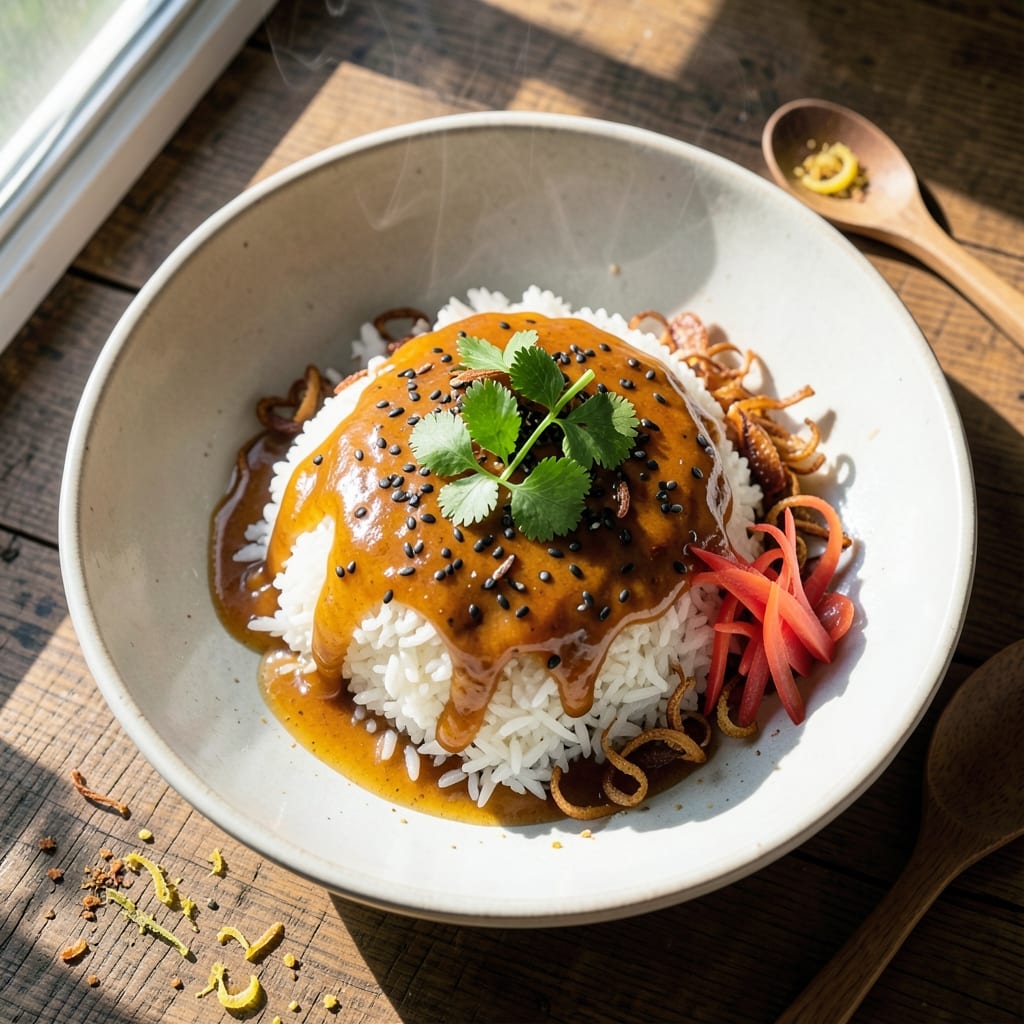
This Asian rice bowl sauce recipe delivers the perfect umami-packed balance that transforms simple ingredients into a complex, flavorful sauce. The combination of soy sauce, sesame oil, and a touch of ginger creates a foundation that's both tangy and aromatic, while optional additions like fish sauce or miso deepen the umami profile for restaurant-quality results. What makes this sauce truly versatile is its ability to adapt to any rice bowl—whether you're building a traditional Japanese bento or a modern fusion dish.
The secret lies in the harmony of flavors: a hint of sweetness from honey or brown sugar, a kick of spice from sriracha or chili flakes, and the rich depth of toasted sesame oil. This sauce not only elevates your rice bowl but also stays fresh in the refrigerator for up to a week, making it an ideal pantry staple for quick weeknight meals. Ready in just 10 minutes, it’s the one sauce that will change how you approach every grain bowl.
Ingredients for asian rice bowl sauce
Nine ingredients, endless flavor combinations—this sauce turns simple rice bowls into restaurant-quality meals.
| Ingredient | Amount | Notes |
|---|---|---|
| Soy Sauce 🍶 | ½ cup | Use high-quality dark soy for depth |
| Sesame Oil 🫒 | 2 tbsp | Toasted for nutty aroma |
| Fresh Ginger 🧄 | 1 tbsp | Minced, peeled, for zing |
| Honey 🍯 | 2 tbsp | Or brown sugar for depth |
| Rice Vinegar 🍶 | 2 tbsp | For tangy brightness |
| Sesame Seeds 🌾 | 1 tbsp | Toasted, for crunchy finish |
| Sriracha 🌶️ | 1 tbsp | Adjust for spice preference |
| Garlic Cloves 🧄 | 2 cloves | Minced, for aromatic punch |
| Fish Sauce 🐟 | 1 tbsp | Optional for umami boost |
| Miso Paste 🍜 | 1 tbsp | White or red, for depth |
The soy sauce is your flavor anchor—Kikkoman or La Choy are solid choices, but anything with that deep, salty punch works. Fresh ginger and garlic are non-negotiable for that bright, aromatic kick. Trader Joe's carries pre-minced ginger in a jar, which saves time (though fresh tastes better). For sesame oil, grab the toasted kind—Kadoya or Lee Kum Kee are reliable. The miso paste adds that rich umami layer, so don’t skip it if you’re going for full restaurant vibes. Pro tip: Toast your sesame seeds in a dry pan for 30 seconds before adding—they’ll taste a thousand times better.
No fish sauce? Extra soy sauce plus a dash of Worcestershire gets you close. Running low on honey? Maple syrup or agave works in a pinch (though honey’s floral notes are ideal). Sriracha too spicy? Swap in chili garlic sauce or a pinch of red pepper flakes. The miso paste can be tricky—if you only have white, use it; if you’ve got red, go for that deeper flavor. For a sweeter sauce, bump the honey to 3 tbsp. And if you’re making this ahead, store the sauce without the sesame seeds—add them fresh when serving to keep that crunch.
This sauce keeps beautifully—up to 1 week in the fridge, sealed tight. The flavors actually meld better over time, so make extra. If you’re prepping for meal prep, portion it into small jars or containers. Freezes well too for up to 3 months, though the texture might separate a bit when thawed—just stir it back together. For serving, drizzle over hot rice bowls right before eating to keep that fresh, vibrant flavor. And trust me, you’ll want to make this at least once a week—it’s that good.
Why You'll Love This Recipe
- Five-Ingredient Magic: I swear by this combo—just a splash of soy, a drizzle of sesame oil, and that zing from rice vinegar. No fancy techniques, no measuring cups stressing you out. Honestly, I’ve made it with my eyes closed while stirring a pot of rice.
- Umami Bomb: That first spoonful? Chef’s kiss. The ginger’s warmth, the honey’s subtle sweetness cutting through the salt—it’s the kind of balance that makes you pause mid-bite. Between us, it’s the secret weapon in my rice bowls, takeout-style but better.
- Weeknight Workhorse: I’ve used this sauce on everything from leftover chicken to store-bought sushi rolls. Make a double batch on Sunday, and suddenly you’ve got lunch, dinner, and a quick snack covered. My kids ask for it more than any other sauce, and I’m not mad about that.
- Pantry Staple Power: No last-minute grocery runs needed—soy, vinegar, honey? You’re probably already stocked. A little sesame oil (if you don’t have it, toast some seeds) and fresh ginger (or even powdered in a pinch) is all you need. Budget-friendly, zero waste, and it lasts forever in the fridge.
Step-by-step instructions for Asian rice bowl sauce
This sauce comes together faster than you can say "umami bomb"—just 10 minutes of active work for a flavor-packed finish.
Bloom the Aromatics in Toasted Sesame Oil
Heat a small saucepan over medium-low heat and add the 2 tablespoons sesame oil. Let it warm for 1 minute until just shimmering—you'll smell that nutty aroma kick in. Add the 2 minced garlic cloves and 1 tablespoon minced fresh ginger, stirring constantly for 30 seconds until fragrant but not browned.
This is where the magic starts. The oil carries those aromatic compounds, so don't rush it—you want them to soften and release their flavors without burning. If you notice any color changes, immediately reduce the heat to low to prevent bitterness. The mixture should smell like a warm Asian street market by now.
Build the Sauce Base with Soy and Miso
Pour in the ½ cup soy sauce and 1 tablespoon miso paste, stirring vigorously to dissolve the miso completely. Bring the mixture to a gentle simmer over medium heat, then immediately reduce to low heat and let it cook for 2 minutes—just enough to meld the flavors without reducing too much.
Here's the thing—miso needs time to bloom. If you see any undissolved bits, whisk them away now. The sauce should look smooth and glossy, with a deep reddish-brown color from the soy. This is your flavor foundation, so don't walk away. Taste it now—it's salty and funky, but that's exactly what we want to balance next.
Balance with Sweet, Tangy, and Spicy
Remove the pan from heat and stir in the 2 tablespoons honey, 2 tablespoons rice vinegar, and 1 tablespoon sriracha. The sauce will bubble slightly—this is normal. Let it sit off the heat for 1 minute to let those flavors marry. The honey will mellow the saltiness, the vinegar adds that bright tang, and the sriracha brings the heat.
Now add the 1 tablespoon fish sauce (if using) and give it one final stir. The fish sauce adds that extra umami depth that makes this sauce truly special. If you're not using fish sauce, don't worry—it's still delicious. Taste again and adjust: need more sweetness? Add a pinch more honey. Too spicy? A splash of vinegar helps balance it.
Finish with Toasted Sesame Seeds
Transfer the sauce to a small bowl and let it cool slightly for 2 minutes. While it cools, dry-toast the 1 tablespoon sesame seeds in a separate dry skillet over medium heat for 1-2 minutes, stirring constantly until they turn a rich golden brown and smell nutty. Watch them carefully—they burn fast!
Sprinkle the toasted sesame seeds over the sauce just before serving. They add that perfect crunchy contrast to the smooth sauce. The seeds should be warm when you add them—this releases their full aroma. Give it one final taste and adjust seasoning if needed. This sauce is best used fresh, so don't make it too far ahead or the seeds will lose their crunch.
Pro Tips For Making Asian Rice Bowl Sauce
- GRATE THAT GINGER FINE: I learned this the hard way—chunky ginger bits in your sauce scream "rushed prep." Use the smallest holes on your grater or a microplane, then press the pulp through a fine-mesh sieve to catch any strings. That way, the ginger dissolves smoothly into the sauce instead of sitting like tiny, bitter landmines.
- TEMPER THE HONEY FIRST: Pour the honey into a warm (not hot) saucepan first and let it sit for 30 seconds before adding other liquids. This prevents the honey from clumping when mixed with cold vinegar or soy sauce—no one wants to strain a gloppy mess. A quick stir with a fork while warm also helps it blend faster.
- SALT THE SOY SAUCE: Your soy sauce is already salty, but if you’re adding extra salt elsewhere (like for the rice or protein), taste the sauce before finishing with sesame oil. A splash of water or a pinch of sugar can balance over-salted flavors better than you’d think—adjust while it’s still liquid, not after it’s emulsified.
- STIR IN SESAME OIL LAST: This isn’t just about aroma—sesame oil burns off fast. Add it after the sauce has cooled slightly (even just 30 seconds off the heat), and stir it in gently with a fork or chopsticks. Dumping it in hot will turn your fragrant sauce into a bitter, acrid mess. (Yes, I’ve done it.)
Flavor customization for asian rice bowl sauce
Sweet Heat Variations
For a spicier kick, increase the sriracha to 2 tbsp and add ½ tsp red pepper flakes for a smoky depth. Balance with 1 extra tbsp honey to soften the heat. If you love honey-sriracha combos, try swapping honey for ½ cup mango chutney—it adds tropical sweetness that pairs perfectly with sesame oil. 🌶️
Umami Boosters
Need more umami depth? Swap the fish sauce for 1 tbsp oyster sauce or 1 tsp soy-based Worcestershire sauce—both add richness without overpowering. For a fermented kick, stir in 1 tsp doubanjiang (Chinese chili bean paste) or 1 tsp gochujang (Korean chili paste) for a tangy, spicy twist. These work especially well with miso-based sauces.
Herb & Citrus Infusions
Brighten the sauce with fresh herbs—add 1 tbsp chopped cilantro or Thai basil at the end for a fresh finish. For citrusy notes, zest 1 tsp lime or yuzu peel into the warm sauce and finish with 1 tsp lime juice. This works beautifully with seafood rice bowls or grilled chicken. The acidity cuts through the richness of the sesame oil.
Nutty & Toasted Twists
Swap sesame oil for 1 tbsp toasted peanut oil and add 1 tsp crushed peanuts for a Thai-inspired peanut sauce. Toast 1 tsp sliced almonds and sprinkle them on top for crunch. For a Japanese-inspired touch, use 1 tbsp toasted walnut oil and finish with toasted walnut pieces. These nutty additions add texture and complexity to your bowl.
Vegetarian & Vegan Adaptations
Skip the fish sauce and use 1 tbsp coconut aminos (for soy-free) or 1 tbsp nutritional yeast (for a cheesy umami). Boost flavor with 1 tsp vegan miso or 1 tsp mushroom powder. For extra depth, add 1 tsp white miso paste—it’s vegetarian-friendly and adds a savory richness without animal products. These tweaks keep the sauce bold and balanced.
Regional Flavor Profiles
For a Japanese-inspired sauce, reduce the honey to 1 tbsp and add 1 tsp mirin for a subtle sweetness. For Korean flavors, swap rice vinegar for 1 tbsp rice vinegar + ½ tsp gochugaru (Korean chili flakes). A Thai-inspired version calls for 1 tbsp lime juice + ½ tsp palm sugar—it’s tangy, sweet, and perfectly balanced. Each regional twist keeps the core flavors but adds a unique cultural touch.
Nutrition facts
Frequently asked questions
Can I make this sauce without sesame oil?
Swap the sesame oil for 1 tbsp neutral oil (like avocado or vegetable) and add ½ tsp toasted sesame seeds directly to your bowl instead. For extra depth, use 1 tbsp peanut oil and add crushed peanuts for a Thai-inspired twist. The nutty aroma is key, so don't skip it entirely!
How long will this sauce keep in the fridge?
The sauce stays fresh for up to 1 week when stored in an airtight container. For best quality, keep the sesame seeds separate until serving to maintain their crunch. If you notice the sauce separating, just stir it back together—it won't affect the flavor. Freezing is also an option for up to 3 months, though texture may change slightly.
Can I use this sauce on other dishes besides rice bowls?
This versatile sauce works beautifully on grilled meats, stir-fries, noodles, or even as a marinade for tofu or chicken. Drizzle it over ramen or pho for instant umami, or use it as a dipping sauce for spring rolls or dumplings. The balance of sweet, tangy, and spicy makes it perfect for many Asian-inspired dishes!
What if my sauce tastes too salty?
If the sauce tastes too salty, balance it by adding 1 extra tbsp honey or 1 tsp rice vinegar to brighten the flavors. For a more dramatic change, stir in 1 tbsp water or broth to dilute slightly. The honey will help mellow the saltiness while adding natural sweetness. Taste as you go—you can always adjust further!
Can I make this sauce gluten-free?
Yes! Replace the soy sauce with ½ cup tamari or coconut aminos for a gluten-free version. For extra umami, add 1 tbsp fish sauce (or coconut aminos) and 1 tsp mushroom powder. The sauce will still have that rich, savory depth without the gluten. Just be sure to check all labels for hidden gluten ingredients.