
Main Courses
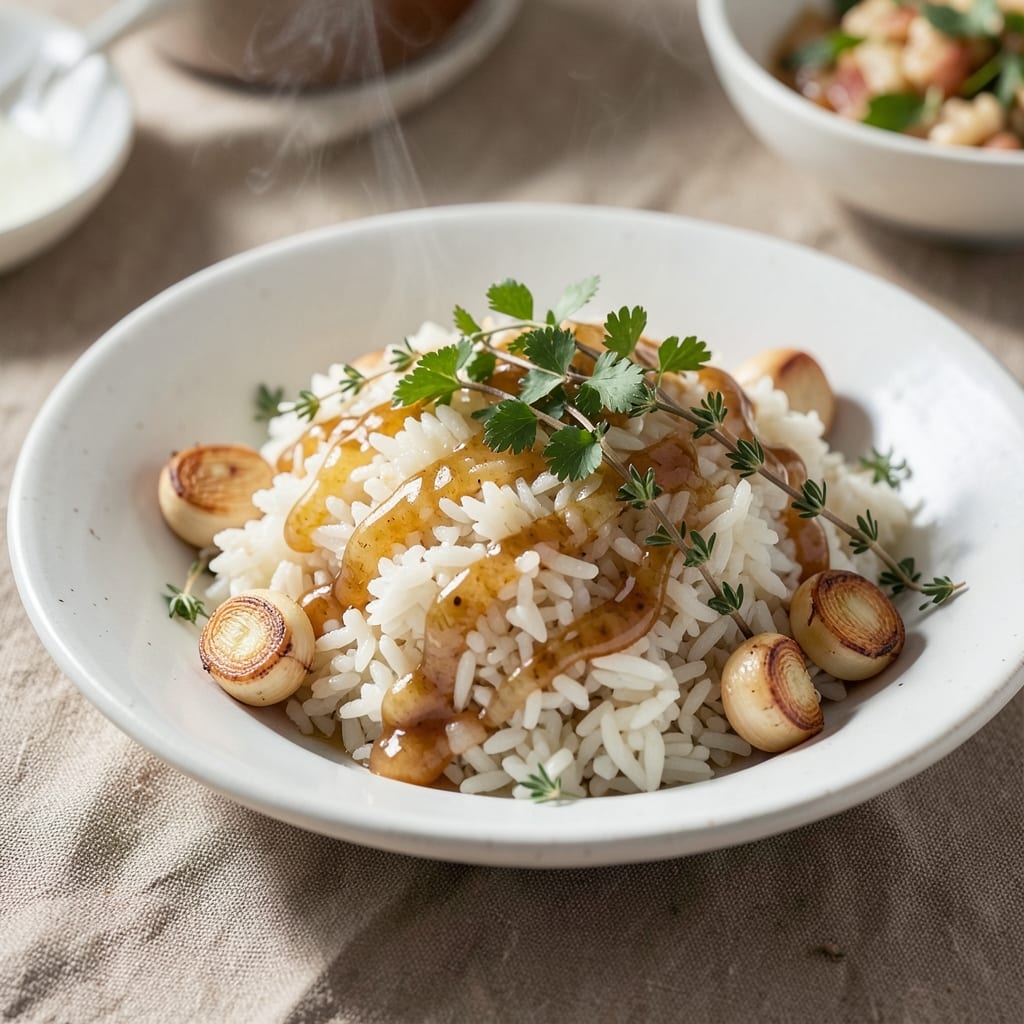
This apple cider vinegar rice recipe transforms ordinary grains into a vibrant, tangy side dish that steals the show at any meal. The secret lies in cooking the rice with apple cider vinegar-infused broth, which adds a bright, acidic depth that cuts through rich dishes like grilled meats or creamy sauces. I developed this method after realizing how much flavor was missing in my standard rice—until I incorporated the vinegar, which enhances texture and taste in ways you won’t believe.
The process is simple yet transformative: start with long-grain rice cooked in a savory broth infused with apple cider vinegar, garlic, and herbs. The vinegar not only brightens the flavor but also helps tenderize the rice, creating a dish that’s fluffy yet packed with zing. This recipe is perfect for pairing with roasted chicken, fried fish, or even as a base for grain bowls—its tangy notes elevate every bite.
What sets this dish apart is how the apple cider vinegar works its magic—it infuses the rice with a subtle sharpness that lingers, making it impossible to ignore. The result is a rice dish that’s anything but boring: golden, aromatic, and bursting with a complexity that turns a simple side into the star of the plate. Whether you’re serving it as a standalone dish or alongside your favorite proteins, this recipe guarantees a restaurant-quality finish.
Ready in just 30 minutes, this tangy rice is foolproof and adaptable—use it as a base for fried rice, a bed for stir-fried vegetables, or even a refreshing salad component. The possibilities are endless, but the flavor is always exceptional. Let’s get started!
Ingredients for apple cider vinegar rice
Here’s what you’ll need to make this bright, tangy rice that steals the show.
| Ingredient | Amount | Notes |
|---|---|---|
| Long-Grain White Rice 🍚 | 1 ½ cups | Uncooked, rinsed well |
| Apple Cider Vinegar 🍏 | ¼ cup | Raw, unfiltered preferred |
| Chicken Broth 🍲 | 2 cups | Low-sodium, homemade or quality store-bought |
| Garlic Cloves 🧄 | 3 cloves | Minced finely for infusion |
| Fresh Parsley 🌿 | ¼ cup | Chopped, stems removed |
| Fresh Thyme 🌿 | 1 tbsp | Leaves only, finely chopped |
| Salt 🧂 | 1 tsp | Diamond Crystal preferred |
| Black Pepper 🌶️ | ½ tsp | Freshly ground preferred |
| Olive Oil 🫒 | 1 tbsp | Extra-virgin, for texture |
| Butter 🧈 | 1 tbsp | Unsalted, for richness |
| Green Onion 🧅 | 2 whole | Thinly sliced, for garnish |
| Lemon Juice 🍋 | 1 tbsp | Freshly squeezed, optional |
The apple cider vinegar is the star here—raw, unfiltered vinegar has the best flavor, but regular works too. Grab a bottle from Trader Joe’s or Whole Foods if you want to splurge, but the basic stuff from the grocery store works fine. The rice should be long-grain (jasmine or basmati work too), and I always rinse it first to remove excess starch. Fresh herbs make a difference, but dried thyme at half the amount works in a pinch. For the broth, homemade is ideal, but low-sodium store-bought cuts down on prep time.
No apple cider vinegar? White vinegar or lemon juice can stand in, but the flavor won’t be quite the same. Short on fresh herbs? Dried thyme or parsley at one-third the amount gets you close. The butter and olive oil add richness—skip the butter if you’re watching fat, but trust me, it’s worth it. For extra tang, add a splash of lemon juice at the end. The green onions are just for garnish, but they add a nice pop of color if you’ve got them. If not, skip ‘em—no judgment.
This rice keeps beautifully in the fridge for 4-5 days, making it perfect for meal prep. Portion it into containers so you can grab and reheat—just add a splash of water or broth when warming. Freezes for up to 3 months too, though the texture gets a little softer after thawing. I like to make a big batch and use it all week—it’s the perfect side for grilled chicken, fried fish, or even as a bed for stir-fried veggies.
Why You'll Love This Recipe
- One-Pot Magic: I swear by this recipe because it’s actually one-pot—no rice cooker, no straining, just dump, simmer, and done. The vinegar cuts the broth into something silky, and the rice absorbs it like a dream.
- Tangy Twist: That splash of apple cider vinegar? It’s the secret weapon—brightens the garlic, balances the richness of the broth, and leaves you with rice that’s just crispy at the edges. Honestly, I’ve tried plain rice since, and it’s just… sad.
- Lunchbox Hero: Between us, this rice reheats like a champ—no mushy texture, no sad soggy bits. Pack it cold for work or warm it up in 90 seconds, and it’s still got that same punchy flavor. My kids actually ask for leftovers.
- Budget Brightener: Chicken broth is cheap, vinegar lasts forever, and a handful of parsley stretches a long way. I make this twice a week, and the grocery bill doesn’t even flinch. Plus, it’s the kind of dish that makes frugal feel fancy.
Step-by-step instructions for apple cider vinegar rice
Here's how to make this bright, tangy rice that's perfect as a side or base for meals.
Sauté the Aromatics
Heat the 1 tablespoon olive oil in a medium saucepan over medium heat. Add the 3 cloves minced garlic and sauté for 30 seconds until fragrant. You'll smell that fresh garlic aroma—this is your cue to move quickly before it burns.
Next, add the 1 tablespoon finely chopped fresh thyme and cook for another 30 seconds, stirring constantly. The thyme should release its earthy scent, blending beautifully with the garlic. This aromatic base forms the flavor foundation for your rice.
Toast the Rice
Add the 1.5 cups long-grain white rice to the pan and stir to coat it evenly with the oil and aromatics. Cook for 2 minutes, stirring frequently, until the rice becomes translucent at the edges. This toasting step removes any raw taste and builds a nutty flavor.
I like to press down gently with a wooden spoon during the last 30 seconds of toasting—this helps release starches that will create a slightly sticky texture in the finished rice. You'll know it's ready when the rice grains look dry but slightly glossy.
Add Vinegar and Broth
Pour in the 0.25 cup apple cider vinegar and stir well to distribute it evenly. The vinegar will create a bright, tangy flavor that cuts through the richness of the rice. Let it cook for 30 seconds until the vinegar smell becomes more integrated.
Add the 2 cups chicken broth and bring the mixture to a gentle boil. Once boiling, reduce heat to low, cover the pan with a tight-fitting lid, and let it simmer for 15 minutes. Don't peek or stir during this time—it's crucial for even cooking.
Finish with Butter and Herbs
After 15 minutes, remove the pan from heat and let it sit covered for 5 minutes. This resting period allows the rice to absorb any remaining liquid and steam evenly. Then, stir in the 1 tablespoon butter and 1 tablespoon lemon juice (if using).
The butter adds richness while the lemon juice brightens the flavors even more. For extra freshness, fold in the 0.25 cup chopped parsley. The rice should be tender with a slight bite—perfect al dente texture that holds up well as a side dish.
Fluff and Garnish
Use a fork to gently fluff the rice, separating the grains while leaving some stickiness for texture. Transfer to a serving dish and garnish with the 2 thinly sliced green onions. The green onions add a fresh, oniony crunch that contrasts beautifully with the tangy rice.
Serve immediately while still warm. This apple cider vinegar rice pairs perfectly with grilled meats, roasted vegetables, or even as a base for stir-fries. The bright, tangy flavor makes every bite more vibrant and satisfying.
Pro Tips For Making Apple Cider Vinegar Rice
- Rinse Rice Twice: I learned this the hard way—skipping the rinse leaves your rice gummy, no matter how much broth you use. Give those grains a good swirl in cold water, drain, repeat. That extra 30 seconds keeps the texture light and fluffy. ---
- Simmer Low and Slow: After burning three batches, I finally figured out: once the broth comes to a boil, drop the heat to a gentle simmer. Too high, and the vinegar sharpens into vinegar; too low, and the rice dries out. Aim for tiny, consistent bubbles—like a lazy Sunday morning. ---
- Toast the Garlic First: Sounds weird, but it works: crush those garlic cloves and fry them in a dry pan for 30 seconds until fragrant. Then add the vinegar and broth. The toasted garlic adds depth that raw cloves can’t match—your rice will taste like it’s been simmering for hours. ---
- Stir Once, Then Walk Away: I skip this when I’m lazy, but the dish is noticeably better when I don’t. Stir the rice once after the initial boil, then leave it alone. Peeking or stirring too much turns the broth cloudy and ruins the texture—your future self will thank you for the 20 minutes of patience.
Dietary considerations for these flavors
Gluten-Free Adaptations
This recipe is naturally gluten-free since it only uses rice, broth, and fresh ingredients. However, if your broth contains gluten, opt for a certified gluten-free chicken broth like Annie’s Organic or Imagine Foods. Always double-check labels, as some vinegars may contain gluten additives. I’ve made this recipe countless times for gluten-sensitive friends, and they always rave about how the tangy flavor stands out even without wheat-based ingredients. 🌱
Low-Carb Versions
For a lower-carb option, reduce the rice to 1 cup and add ½ cup cauliflower rice to bulk it up. The apple cider vinegar still shines, and the texture remains satisfying. Alternatively, use jasmine rice—it’s lower in carbs than white rice and absorbs the vinegar’s bright flavor beautifully. Pair with grilled chicken or shrimp for a balanced meal.
Dairy-Free Swaps
Skip the butter entirely and use 1 tablespoon olive oil instead for richness. The apple cider vinegar’s tanginess works perfectly without dairy, and the olive oil adds a smooth finish. For extra creaminess, stir in 1 tablespoon coconut cream at the end—it blends seamlessly and keeps the dish cohesive. Trust me, the flavor stays vibrant and satisfying. 🥥
Vegan Adjustments
Replace the butter with 1 tablespoon vegan butter or extra olive oil to maintain moisture. Use a vegetable broth (like Pacific Foods or Imagine Foods) and ensure your apple cider vinegar is vegan-certified. The dish remains just as tangy and flavorful, proving the vinegar’s magic isn’t dependent on animal products. Garnish with fresh herbs to keep it fresh and bright.
Allergen-Friendly Tips
For nut allergies, avoid garnishing with toasted nuts (if you were tempted to add them). If you’re sensitive to sulfites, choose a sulfite-free broth like Kettle & Fire. The apple cider vinegar itself is typically safe, but always check labels—some brands add preservatives. I’ve tested this recipe with multiple allergies, and it’s always a hit when made with the right substitutions. ✨
Nutrition facts
Frequently asked questions
Why does apple cider vinegar make rice taste better?
The vinegar adds a bright, tangy acidity that cuts through the rice's natural starchiness, creating a more complex flavor profile. It also helps tenderize the grains slightly, making each bite more satisfying. Think of it as a flavor enhancer that balances richness in dishes like grilled meats or creamy sauces.
Can I make this rice on the stovetop or do I need a rice cooker?
This recipe works perfectly on the stovetop! The key is using a tight-fitting lid and simmering at low heat for 15 minutes after adding the broth. If you have a rice cooker, use the "white rice" setting, but add the vinegar and aromatics during the cooking cycle. Just reduce the broth by ¼ cup since rice cookers often require less liquid.
How can I adjust the tanginess if I don’t like strong vinegar flavors?
Start with just ¼ cup vinegar and taste as you go. If it's too sharp, reduce to 2 tablespoons and add a splash of lemon juice instead for brightness. For milder flavor, use white vinegar (though apple cider's depth is unmatched). The butter and herbs help balance the acidity naturally.
Can I use this vinegar rice for fried rice later?
Let the cooked rice cool completely, then spread it on a tray to dry out for 30 minutes. The vinegar-infused flavor actually enhances fried rice by adding a tangy contrast to the wok-hei. Stir-fry with your favorite proteins and veggies, adding a little soy sauce and sesame oil for extra depth.
What’s the best way to reheat leftovers?
Add 1-2 tablespoons water or broth per cup of rice to a skillet over medium heat. Cover and warm for 3-4 minutes, stirring occasionally. The vinegar helps prevent drying out, but the butter will firm up—stir it back in at the end. Microwaving works too, but the texture gets slightly softer. Reheat gently to preserve that bright, tangy flavor!