
Main Courses
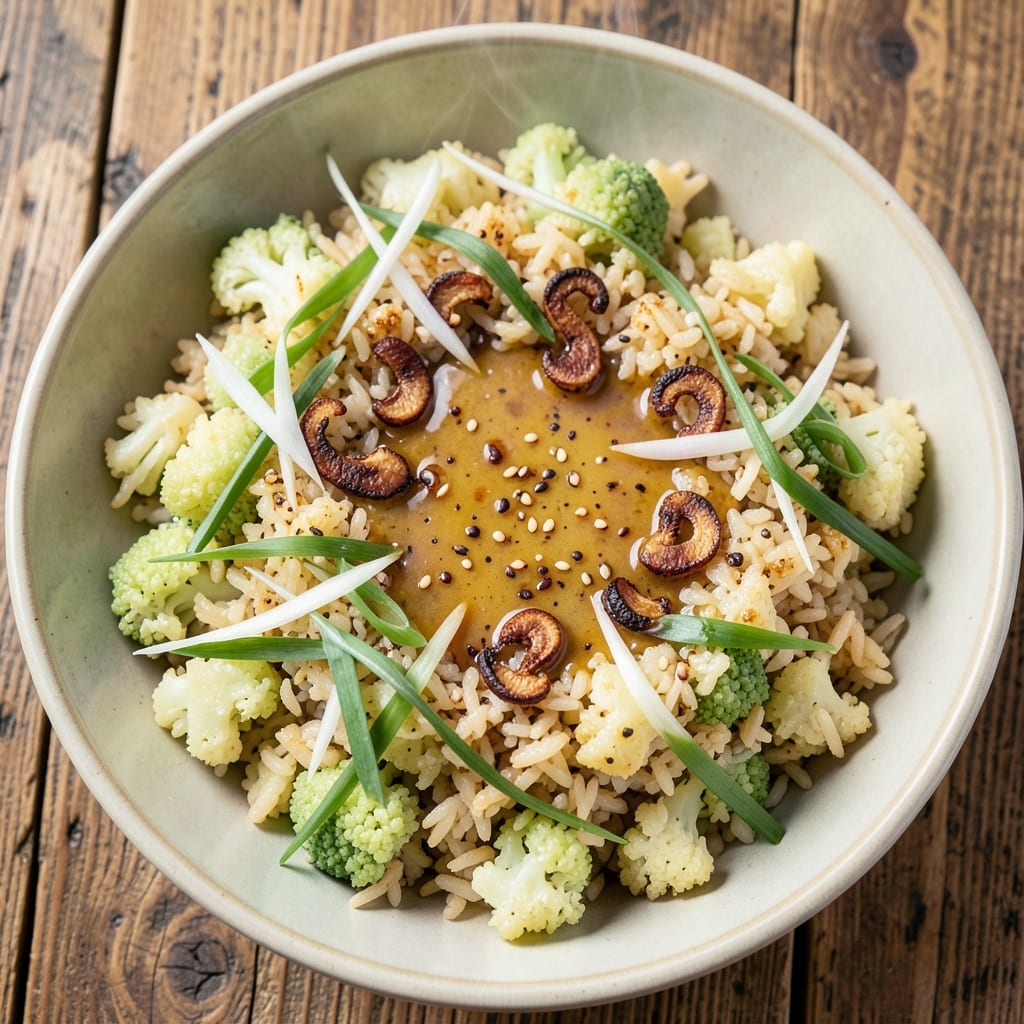
This Asian cauliflower fried rice recipe transforms humble rice into a wok-tossed masterpiece with crispy textures and layered umami flavors—no meat required. The secret lies in high-heat stir-frying, where cauliflower rice develops a satisfying crunch while absorbing the aromatic sauce. I perfected this version after years of experimenting with vegan Asian dishes, ensuring every bite delivers that perfect balance of savory, nutty, and slightly sweet notes.
What sets this recipe apart is the peanut twist—a creamy, slightly sweet sauce that elevates the dish beyond basic fried rice. We'll start with a simple stir-fry of garlic, ginger, and scallions to build the flavor foundation, then toss in the cauliflower rice and mixed vegetables for that signature wok-tossed texture. The sauce ties everything together with a rich, nutty depth that makes it irresistibly satisfying.
The result is a restaurant-quality dish that's crispy on the outside, tender on the inside, and packed with umami from soy sauce, garlic, and a touch of sesame oil. This recipe works equally well as a quick weeknight meal or a showstopping dish for dinner guests. The best part? It's adaptable—swap in tofu or mushrooms for extra protein, or keep it purely vegetarian for a lighter option.
Ready in just 20 minutes, this fried rice requires no special equipment beyond a large skillet or wok. Whether you're a seasoned home cook or new to stir-frying, the step-by-step instructions will guide you through achieving that perfect wok hei—smoky, aromatic, and deeply flavorful. Let's get cooking!
Ingredients for asian cauliflower fried rice
Peanut butter, sesame oil, and fresh cauliflower rice—this vegan fried rice packs restaurant-quality umami in every bite.
| Ingredient | Amount | Notes |
|---|---|---|
| Fresh Cauliflower Rice 🥬 | 4 cups | Freshly grated or pre-riced |
| Cooked Jasmine Rice 🍚 | 1 ½ cups | Day-old rice preferred |
| Natural Peanut Butter 🥜 | ½ cup | Creamy, unsweetened |
| Low-Sodium Soy Sauce 🥢 | ¼ cup | Kikkoman preferred |
| Sesame Oil 🫒 | 1 tbsp | Toasted sesame oil |
| Garlic Cloves 🧄 | 6 cloves | Minced for aroma |
| Fresh Ginger 🌿 | 1 ½ tbsp | Grated, aromatic |
| Scallions 🧅 | ¼ cup | Thinly sliced |
| Carrots 🥕 | 1 cup | Julienned or matchsticks |
| Red Bell Pepper 🌶️ | ½ cup | Diced, any color |
| Peanut Oil 🫒 | 2 tbsp | High smoke point |
| Lime Juice 🍋 | 1 tbsp | Freshly squeezed |
| Maple Syrup 🍯 | 1 tbsp | Pure grade B |
| Toasted Sesame Seeds 🌱 | 1 tbsp | For garnish |
| Cilantro Leaves 🌿 | ¼ cup | Chopped, optional |
The peanut butter is where the magic happens. Creamy, unsweetened natural peanut butter (like Smucker's Natural or 365 Organic) gives that rich, nutty depth without overpowering. Grab the jarred version—it's fresher than powdered. Toasted sesame oil is non-negotiable for that authentic wok hei aroma. I always buy mine from the Asian market section at Whole Foods—it's worth the extra $2 for the real deal. Fresh cauliflower rice is key too; pre-riced bags work, but grating your own gives better texture. Look for organic cauliflower if you can—it's sweeter and holds up better to high heat.
No peanut butter? Almond butter or tahini works in a pinch (use half the amount). Short on scallions? Green onions or chives are perfect swaps. The carrots can be baby carrots if that's what you've got—just slice them thin. For extra protein, crumbled tofu or chopped mushrooms fit right in. The lime juice needs to be fresh—bottled won't cut it here. And if you're feeling fancy, add a splash of vegan fish sauce (like Red Boat) for that umami kick that makes this taste like it came from a dim sum cart.
This dish reheats beautifully—better the next day as flavors meld. Store leftovers in airtight containers for 4-5 days or freeze for 3 months. I always double the sauce and freeze it separately so I can toss it with any leftover rice. The peanut sauce keeps for 1 week in the fridge if you make it ahead. Pro tip: Toast your sesame seeds in a dry pan for 30 seconds before garnishing—they'll be extra fragrant and crunchy.
Why You'll Love This Recipe
- No-Chop Needed: I swear by pre-riced cauliflower here—just toss it in raw while the wok heats. No knife skills required, and it still gets that perfect toasty crunch from the sesame oil.
- Peanut Butter Magic: Honestly, that creamy peanut swirl changes everything. A single spoonful of natural peanut butter (just stir it into the soy sauce first) adds depth—nutty, slightly sweet, with a hint of umami that makes this taste like a takeout menu.
- Lunchbox Hero: Between us, this is my go-to for meal prep. Pack it cold or reheat it—it stays flavorful either way. The jasmine rice keeps it satisfying, and the peanut sauce ties everything together so it doesn’t get soggy.
- Budget Win: Fresh cauliflower rice is cheaper than takeout, and a little peanut butter goes a long way. I make this for four people for under $10, and it’s still the most exciting thing on the table. (Yes, even on a Tuesday night.)
Step-by-step instructions for Asian cauliflower fried rice
Here's how to create a wok-tossed masterpiece that's packed with umami crunch and peanut richness.
Prepare the Peanut Sauce Foundation
In a small bowl, combine the 0.5 cup natural peanut butter with the 0.25 cup low-sodium soy sauce, 1 tbsp maple syrup, and 1 tbsp lime juice. Whisk vigorously until completely smooth and free of any lumps. This sauce will be the flavor backbone of your dish, so take your time here.
Next, thin the sauce with 1-2 tablespoons of hot water (start with 1 tablespoon) until it reaches a pourable consistency. The sauce should coat the back of a spoon but still flow easily. Here's the thing—this sauce needs to cling to every grain of rice, so don't rush this step. If it's too thick, add more water gradually until you achieve that perfect balance.
Sauté Aromatics and Vegetables
Heat the 2 tablespoons peanut oil in a large wok or skillet over medium-high heat until shimmering. Add the 6 minced garlic cloves and 1.5 tablespoons grated fresh ginger, cooking for 30 seconds until fragrant. You'll know it's ready when the aroma fills your kitchen—this is where the magic begins.
Add the 1 cup julienned carrots and 0.5 cup diced red bell pepper, stirring constantly for 3-4 minutes until the vegetables soften but still retain their vibrant color. The carrots should be tender-crisp, not mushy. Remove the vegetables and set aside in a bowl—we'll add them back later to preserve their texture.
Stir-Fry the Rice Mixture
Increase the heat to high and add the 4 cups fresh cauliflower rice and 1.5 cups cooked jasmine rice to the wok. Stir-fry vigorously for 3-4 minutes until the cauliflower rice begins to soften and the jasmine rice grains separate. You want to hear that satisfying sizzle and see the rice grains glisten from the residual moisture.
Pour the peanut sauce over the rice mixture and toss everything together for 1-2 minutes until the sauce coats all the ingredients evenly. The rice should look glossy and well-coated. Here's where it gets fun—taste a small portion and adjust seasoning if needed. If it needs more umami, add a splash more soy sauce. If it needs brightness, add a little more lime juice.
Finish with Fresh Herbs and Garnish
Return the sautéed vegetables to the wok and toss everything together for another 1-2 minutes until heated through. The vegetables should be hot but still maintain their crisp texture. Remove from heat and let the mixture sit for 1 minute to allow the flavors to meld.
Stir in the 0.25 cup thinly sliced scallions and 1 tbsp toasted sesame seeds. For the final touch, add the 0.25 cup chopped cilantro leaves (if using) and drizzle with the remaining 1 tbsp sesame oil. The sesame oil adds a beautiful aroma and helps distribute the toasted sesame seeds evenly throughout the dish. Serve immediately while everything is hot and the cauliflower rice maintains its satisfying crunch.
Pro Tips For Making Asian Cauliflower Fried Rice
- STIR-FRY FAST, HIGH: Use a wok or nonstick skillet on max heat—your cauliflower rice needs to sizzle immediately or it’ll steam into mush. I learned this the hard way after making three batches where the texture turned sad and soggy.
- DRY THE CAULIFLOWER: Pat fresh cauliflower rice thoroughly with a kitchen towel before cooking—even a little moisture turns your fried rice into a wet pile. (Yes, it’s tedious, but trust me on this.)
- SALT THE PEANUT BUTTER: Skip the plain peanut butter and mix in a pinch of soy sauce and a dash of sesame oil first—it balances the richness and saves you from over-salting later. My grandmother swore by this, and she was right.
- COOL THE RICE FIRST: Let your jasmine rice sit uncovered for 5 minutes after cooking—it’s less sticky and absorbs the peanut sauce better. I used to skip this, and the final dish always felt clumpy.
Essential equipment for this dish
Wok or Skillet
A carbon steel wok is my top recommendation for achieving that signature wok hei—the smoky, aromatic quality that makes this dish taste restaurant-quality. Look for a 14-inch wok with a flat bottom if you don't have a traditional round-bottomed wok; a heavy-duty stainless steel skillet will work too. I use my Made In wok from Amazon—it's affordable, heats up fast, and develops a natural non-stick patina over time. If you're new to stir-frying, a non-stick skillet is a great alternative, but avoid cheap ones that can't handle high heat. 🔥
High-Heat Oil
Peanut oil has a high smoke point (450°F), making it perfect for stir-frying without burning. I keep a bottle of La Choy Peanut Oil in my pantry—it's widely available and affordable. If you prefer a neutral oil, avocado oil or grapeseed oil work well too. Avoid olive oil—its low smoke point can make your dish taste bitter. For extra flavor, I sometimes use a mix of peanut oil and sesame oil (1 tbsp each) to enhance that authentic Asian aroma.
Mixing Bowls
Use a large, shallow mixing bowl (at least 3-quart capacity) to toss the cooked vegetables before adding them back to the wok. I like using a stainless steel bowl because it's durable and easy to clean. A glass mixing bowl works too, but avoid plastic—it can't handle the high heat if you're preheating it. For the peanut sauce, a small ramikin or measuring cup works perfectly for whisking. A small whisk is essential for achieving that silky-smooth texture.
Knives and Cutting Board
Invest in a sharp chef's knife (like the Mercer Culinary Genesis) for quick, even chopping of garlic, ginger, and vegetables. A mandoline helps with julienning carrots if you're not comfortable freehand. I always use a cutting board with non-slip feet—my Teakhaus bamboo board is a game-changer for stability. For grating ginger, a microplane gives you the finest texture, which dissolves beautifully into the sauce. Keep your knives sharp—they make prep faster and safer! 💡
Measuring Tools
Precision matters when balancing flavors in this dish. Use a liquid measuring cup for the peanut butter, soy sauce, and water to ensure accurate ratios. A small kitchen scale (like the OXO Good Grips) is ideal for measuring sesame seeds and other small ingredients. For the garlic and ginger, I use a garlic press and microplane respectively—they make mincing these aromatics a breeze. Don't skimp on measuring—even small variations can throw off the balance of flavors in this peanut-forward dish.
Optional Extras
For garnishing, a small saucepan is useful for toasting sesame seeds—just heat them over medium-low for 30 seconds until fragrant. A lime juicer or reamer helps extract fresh juice efficiently. If you're adding protein like tofu or mushrooms, a tongs makes tossing everything together much easier than a spoon. And for serving, a wide, shallow plate** (like a banana leaf platter) lets guests see the vibrant colors and textures of the dish. These extras aren't mandatory, but they elevate the experience! ✨
Nutrition facts
Frequently asked questions
Can I use pre-riced cauliflower instead of fresh? Pre-riced cauliflower works perfectly—just
How do I make this recipe spicier?
Add 1-2 teaspoons of sriracha or ½ teaspoon of chili flakes to the peanut sauce for immediate heat. For deeper spice, stir in 1 teaspoon of gochujang (Korean chili paste) when mixing the sauce. If you love heat, try adding ½ teaspoon of cayenne pepper to the aromatics during the stir-fry. Always taste as you go!
Can I make this dish ahead of time?
Yes, but with a few adjustments. Cook the rice and vegetables separately, then store them in airtight containers for up to 3 days. When ready to serve, reheat the components separately and stir-fry together for 2-3 minutes with fresh peanut sauce. The texture won't be as crispy, but the flavors will still be amazing. For best results, make the sauce fresh each time.
What's the best way to store leftovers?
Store in airtight containers in the fridge for up to 4 days or freeze for 3 months. For reheating, use a microwave-safe bowl with a splash of water (cover with a damp paper towel) for 1-2 minutes on high. For crispier texture, reheat in a skillet over medium heat for 3-4 minutes, adding a little water or oil to prevent drying.
Can I substitute the peanut butter?
Certainly! Try almond butter (½ cup) for a nutty flavor or tahini (¼ cup) for a sesame-forward taste. For a creamier texture, blend ½ cup cashew butter with 1 tablespoon water first. If using powdered nut butters, add 1-2 extra tablespoons of water to thin the sauce properly. Each alternative changes the flavor profile slightly, so adjust other seasonings to taste.