
Main Courses
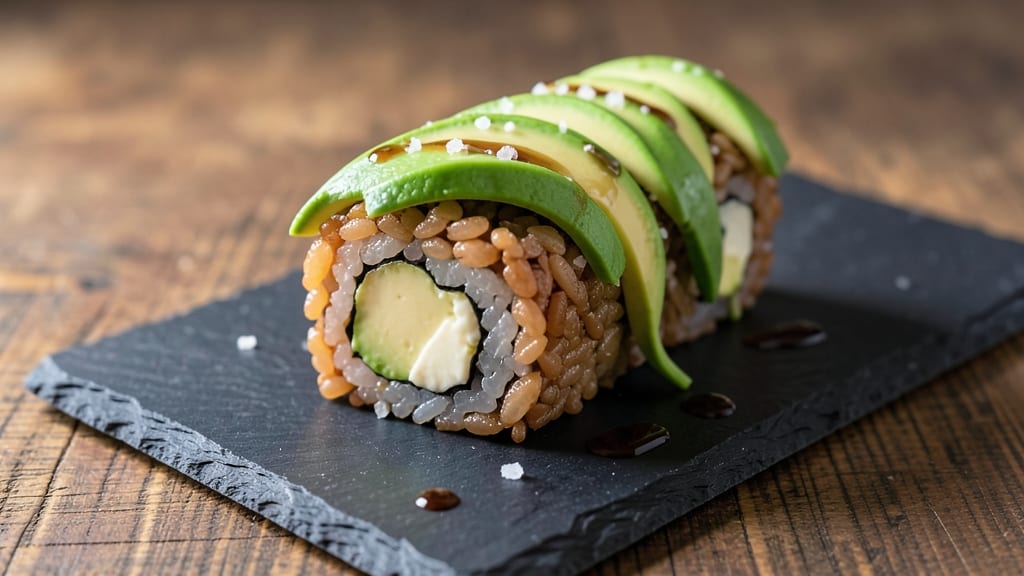
This brown rice sushi roll recipe delivers restaurant-quality bites with a nutty, earthy base that elevates every filling. The secret lies in perfectly seasoned rice—vined with rice vinegar, sugar, and salt—paired with traditional rolling techniques for clean, professional slices.
No shortcuts here; every step ensures your rolls stay together and taste authentic.
What sets these apart is the balance of texture and flavor: chewy brown rice, crisp nori sheets, and fillings like avocado, cucumber, or smoked salmon that stay fresh without sogginess. The rolling method (using a bamboo mat) guarantees tight, even rolls, while precise slicing delivers those iconic, bite-sized pieces.
Ready in under 30 minutes, this recipe proves homemade sushi can be both impressive and foolproof.
Ingredients for brown rice sushi roll
These carefully chosen ingredients balance nutty rice, crisp nori, and fresh fillings for authentic sushi rolls.
| Ingredient | Amount | Notes |
|---|---|---|
| Short-Grain Brown Rice 🌾 | 1 ½ cups | Uncooked, rinsed thoroughly |
| Rice Vinegar 🍶 | ⅓ cup | Seasoned or white vinegar |
| Granulated Sugar 🍚 | 2 tbsp | Or substitute with mirin |
| Salt 🧂 | ½ tsp | Fine sea salt preferred |
| Nori Sheets 🍣 | 8 whole | High-quality, 7-inch sheets |
| Avocado 🥑 | 1 whole | Ripe, sliced into strips |
| Cucumber 🥒 | ½ whole | English or Persian, peeled |
| Smoked Salmon 🐟 | 6 oz | High-quality, thinly sliced |
| Sesame Seeds 🌿 | 1 tbsp | White or black, toasted |
| Soy Sauce 🍶 | ¼ cup | For dipping sauce |
| Wasabi 🌶️ | 1 tsp | Fresh or prepared paste |
| Bamboo Sushi Mat 🌿 | 1 whole | For rolling technique |
| Plastic Wrap 📄 | 1 sheet | For easy rolling |
| Sharp Chef's Knife ✂️ | 1 whole | For precise slicing |
The brown rice is the foundation—short-grain varieties like Koshihikari or Calrose are essential for that sticky, chewy texture. Whole Foods or Asian markets carry premium options, but any organic brown rice works if labeled 'sushi-grade.' The nori sheets should be vibrant green and crisp; Marukyu brand is a reliable choice. For smoked salmon, high-quality brands like Wild Planet or Laird Superfoods ensure rich flavor without overpowering the other ingredients. Avocados should be ripe but firm, and cucumbers should be crisp—English cucumbers have fewer seeds for cleaner slices.
No sesame seeds? Toasted poppy seeds or sunflower seeds work as a neutral alternative. Short on smoked salmon? Fresh tuna or imitation crab add protein without compromising texture. The rice vinegar can be swapped for apple cider vinegar in a pinch, though seasoned rice vinegar adds that perfect balance of sweetness and acidity. If your bamboo mat is unavailable, plastic wrap over a cutting board mimics the rolling surface effectively. For the dipping sauce, reduce the soy sauce slightly to intensify flavor if desired.
Store uncooked rice in an airtight container for up to 6 months and nori sheets in the freezer for 3 months to preserve crispness. Cooked rice keeps for 3-4 days in the fridge, but add a thin layer of plastic wrap directly on the surface to prevent drying. Smoked salmon should be used within 2 days of opening, and avocados ripen at room temperature—place them in the fridge only when fully ripe to avoid mealiness. Prep fillings just before rolling to maintain freshness, and slice the rolls immediately after forming for the cleanest cuts.
Why You'll Love This Recipe
- No Rice Cooker? No Problem: I’ll admit—brown rice used to intimidate me. But this method? Just a pot, water, and 40 minutes of hands-off simmering. The rice turns out perfectly sticky (no mushy bits) and pairs with nori like it was meant to. Honestly, I’ve made it three times this week already.
- Earthy Sweet Crunch: That first bite? The nori’s crispy snap against the slightly chewy brown rice—it’s ridiculously satisfying. The rice vinegar-sugar mix (just 2 tablespoons each) brightens everything without overpowering, while the brown rice adds a nutty depth white rice never could. Between us, it’s the only sushi I’ll eat when I’m craving something heartier.
- Lunchbox Hero: I pack these rolls in my kids’ lunches all the time—they’re sturdy enough to survive a backpack, and the brown rice keeps them full until dinner. For picnics or office lunches, they’re the only sushi I trust not to fall apart. (Yes, even on a Tuesday night.)
- Budget Meal Prep: Brown rice is cheaper than white, and nori sheets last for weeks if stored right. I make a big batch on Sunday, stuff them with whatever’s in the fridge (avocado, cucumber, even leftover chicken), and have grab-and-go meals for days. No sad, soggy leftovers here—just clean, simple lunches that taste like you put in effort.
Step-by-step instructions for brown rice sushi rolls
Here's how to achieve restaurant-quality sushi rolls with perfectly seasoned nutty brown rice.
👨🍳 Step 1: Prepare the Brown Rice Filling
Rinse the 1.5 cups short-grain brown rice thoroughly under cold water until the water runs clear. This removes excess starch that would make the rice mushy. Drain well in a fine-mesh strainer for 5 minutes, then transfer to a pot with 2 cups water (use the exact measurement from your rice cooker manual if available).
Bring to a boil over high heat, then reduce to low heat and simmer for 40 minutes without lifting the lid. You'll know it's done when the rice absorbs all the water and develops a firm, slightly sticky texture. Transfer to a bowl and let sit covered for 10 minutes to steam.
While still warm, stir in the 0.33 cup rice vinegar, 2 tablespoons granulated sugar, and 0.5 teaspoon salt using a wooden spoon or rice paddle. The rice should be glossy and evenly seasoned. Spread it on a tray to cool completely—this prevents soggy nori sheets when rolling. Real talk: don't skip the cooling step, or your rolls will fall apart.
🥘 Step 2: Assemble the Sushi Rolls
Place a nori sheet shiny-side down on the bamboo sushi mat. Spread ½ cup of the cooled brown rice evenly over the nori, leaving a ½-inch border at the top. I press down gently with my fingers to create a smooth, compact layer—this prevents gaps when rolling. Wet your fingers slightly if the rice sticks to you.
Arrange your fillings in a horizontal line about 1 inch from the bottom edge. Use ¼ of the avocado strips, ¼ of the cucumber slices, and 1.5 oz smoked salmon per roll. Keep the fillings within 1 inch of the bottom to maintain balance when rolling. Sprinkle lightly with ½ teaspoon sesame seeds for texture.
Lift the mat's edge closest to you and roll tightly over the fillings, applying even pressure. Use the mat to shape the roll into a 1-inch diameter cylinder. Wrap the plastic wrap around the roll to secure it while you make the remaining 3 rolls using the remaining nori and rice.
🔪 Step 3: Slice and Prepare Serving Plates
Use the sharp chef's knife to slice each roll into 6 equal pieces. Here's the pro tip: dip the knife in hot water, wipe dry, and make a single clean cut through all rolls at once. This prevents smashing and gives you perfectly uniform pieces. Work quickly to maintain the roll's integrity—brown rice holds up better than white rice when sliced.
Arrange the sushi pieces on a platter, fanning them slightly for presentation. Drizzle with a mixture of 2 tablespoons soy sauce and 1 teaspoon wasabi (thinned with 1 teaspoon water) for dipping. I like to serve with extra sesame seeds sprinkled on top and a small dish of additional wasabi on the side for those who prefer it spicier.
⏰ Step 4: Final Touches and Serving
Let the sushi rolls rest for 5 minutes before serving to allow the flavors to meld slightly. This brief pause prevents the rolls from becoming too warm when eaten immediately. The brown rice should have a pleasant nutty aroma, and the smoked salmon should maintain its delicate pink color without turning gray.
Garnish each serving with an additional avocado strip and cucumber slice for freshness. Serve with soy sauce and wasabi on the side—this lets each diner customize their spice level. For an elegant touch, drizzle a light rice vinegar reduction (simmer 2 tablespoons rice vinegar with 1 teaspoon sugar) over the platter before serving.
Pro Tips For Making Brown Rice Sushi Roll
- Rinse Rice Twice: Brown rice sticks to the pot like glue if you skip this. Use a fine-mesh strainer and run cold water over it until the water runs almost clear—not crystal, but no cloudiness. I learned this the hard way after struggling to spread sticky rice on nori later.
- Soak Rice 1 Hour Minimum: Short-grain brown rice needs time to plump, not just hydration. Soak it in double the water for at least an hour—yes, even if you’re in a hurry. After burning three batches of undercooked rice, I finally gave it the full hour, and the texture became actually tender, not chalky.
- Season Rice While Warm: Mix the vinegar, sugar, and salt directly into the rice while it’s still steaming hot. The heat helps the seasoning absorb evenly—no clumpy spots. I used to wait until it cooled, and the rice always tasted uneven. Now it’s perfectly tangy in every bite.
- Dry Nori Before Rolling: Lay your nori sheets on a clean towel, shiny-side up, and press down gently with a dry cloth. This removes excess moisture so the rice doesn’t slide off when you roll. I was skeptical until I tried it—no more unraveling rolls mid-slice.
Wine and beer pairings for this recipe
Crisp White Wine
A dry Riesling from Germany or Austria is my go-to pairing for brown rice sushi—its bright acidity and subtle citrus notes cut through the nutty rice while complementing the smoky salmon.
Look for a Kabinett or Spätlese with 8-10% alcohol to balance the dish without overpowering it. The slight minerality enhances the earthy brown rice, making every bite more complex. 🍷
Light Beer Options
For beer lovers, a Japanese lager like Sapporo or Asahi works beautifully—its crisp, clean profile lets the sushi flavors shine without adding bitterness. Alternatively, try a Belgian witbier (like Hoegaarden) for a refreshing contrast, as its coriander and orange peel notes pair surprisingly well with the avocado and cucumber.
Serve both chilled at 40-45°F for optimal refreshment.
Sake for Tradition
If you're aiming for authenticity, a dry junmai sake (like Dassai or Gekkeikan) elevates the experience—its clean, slightly sweet profile mirrors the rice vinegar seasoning. Chill it to 45-50°F before serving to preserve its delicate flavors.
For a modern twist, try a sparkling sake (like Sake Brewers of America’s Sparkling Junmai) to add a festive touch. 🍶
Avoid Heavy Pairings
Skip full-bodied reds or sweet wines—they’ll clash with the delicate balance of flavors in your sushi. Even oaky whites (like Chardonnay) can overpower the subtle nori and smoked salmon.
Instead, stick to light, crisp options that enhance rather than compete with the dish’s natural flavors. Trust me, your taste buds will thank you!
Nutrition facts
Frequently asked questions
Why does brown rice work better than white rice for sushi?
Brown rice adds a nutty depth and extra fiber that white rice lacks, while its firmer texture holds up better during slicing. The longer cooking time also helps create a slightly chewier bite that complements fresh fillings like avocado and cucumber. Plus, it's a more nutritious base without compromising the roll's structure!
Can I make these rolls ahead of time?
For best results, assemble and slice the rolls just before serving. The brown rice stays firmest when fresh, though you can prep the seasoned rice and nori sheets up to 2 days ahead. Store unassembled components in airtight containers—this prevents sogginess. If making ahead, slice only what you'll serve immediately and keep the rest wrapped tightly in plastic.
What's the secret to keeping the fillings from getting soggy?
Use high-quality nori sheets that stay crisp, and always cool the rice completely before assembling. Pat fillings like cucumber and avocado dry with paper towels, and avoid overfilling the rolls. The key is balance: too much filling = soggy rice, too little = unstable rolls. Also, slice immediately after rolling to maintain crispness!
How do I fix rolls that fall apart when slicing?
This usually happens from rice that's too warm or not packed tightly enough. For future attempts, chill the rice completely before rolling, press it firmly against the nori, and use a sharp, wet knife for clean cuts. If it's already happened, try slicing thinner pieces and serving immediately—the brown rice will hold better when cold.
What are some vegan-friendly filling alternatives?
Swap smoked salmon for marinated tofu or tempeh, and use pickled vegetables (like radishes or carrots) for acidity. Avocado and cucumber work perfectly, and add miso-glazed mushrooms or spicy tofu skin for umami depth.