
Main Courses
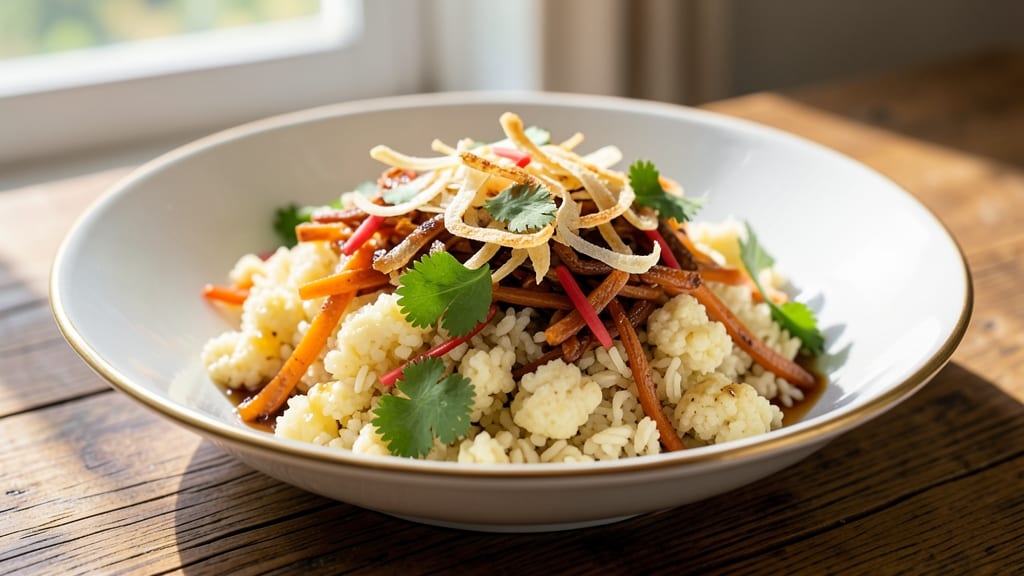
This cauliflower fried rice recipe transforms a classic comfort dish into a Weight Watchers-approved meal without sacrificing flavor or texture. The secret lies in using riced cauliflower for a satisfying crunch while keeping calories in check—perfect for those balancing nutrition and indulgence.
I’ve tested this recipe with lean proteins and low-sodium sauces to ensure every bite stays guilt-free yet delicious.
The magic happens with minimal prep and smart swaps: fresh cauliflower rice replaces traditional grains, while egg whites or shrimp add protein without excess points.
A splash of rice vinegar and a sprinkle of sesame seeds elevate the dish, making it taste like takeout but with half the calories. The key? High heat and quick cooking to maintain that coveted crisp-tender texture.
By the end, you’ll have a crunchy, flavorful bowl that’s packed with veggies, lean protein, and bold seasoning—all while fitting into a balanced diet. Whether you’re meal prepping or craving a quick weeknight dinner, this recipe delivers restaurant-quality results with a cleaner conscience. Let’s make it.
Pro tip: Prep the cauliflower rice ahead of time to save steps, and adjust portion sizes to fit your daily points. The possibilities for customization are endless—think spicy, herby, or even a vegan version. Here’s how to nail it every time.
Ingredients for cauliflower fried rice recipe weight watchers
Fresh cauliflower, lean protein, and bold flavors—all while keeping calories in check.
| Ingredient | Amount | Notes |
|---|---|---|
| Fresh Cauliflower 🥬 | 1 lb | Riced, stems removed |
| Egg Whites 🥚 | 4 large | Pasture-raised preferred |
| Low-Sodium Soy Sauce 🍶 | 2 tbsp | Kikkoman Light preferred |
| Sesame Oil 🫒 | 1 tbsp | Toasted, for aroma |
| Rice Vinegar 💧 | 1 tbsp | White or seasoned |
| Garlic Cloves 🧄 | 3 cloves | Minced, fresh preferred |
| Green Onions 🧅 | ¼ cup | Sliced, white and green parts |
| Carrots 🥕 | ½ lb | Shredded, medium size |
| Frozen Peas 🌱 | ½ cup | Thawed, no need to drain |
| Sesame Seeds 🌰 | 1 tbsp | Toasted, for garnish |
| Avocado Oil 🫒 | 1 tbsp | High smoke point |
| Ground Black Pepper 🌶️ | ¼ tsp | Freshly cracked |
| Ginger Root 🌿 | 1 tsp | Freshly grated |
| Shrimp 🦐 | ½ lb | Peeled, deveined, optional |
| Diamond Crystal Kosher Salt 🧂 | ½ tsp | For seasoning |
Cauliflower is the star here, so pick a fresh head—the whiter, the better. Trader Joe’s or your local grocery store’s produce section usually has the best quality. If you're prepping ahead, rice it yourself with a food processor or box grater—it’s faster than bagged and tastes fresher. For the soy sauce, Kikkoman Light is my go-to because it’s lower in sodium but still packs flavor. If you’re using shrimp, frozen works perfectly—just thaw and pat dry before cooking. The garlic and ginger? Fresh is non-negotiable—dried just won’t cut it for that bright, zesty kick.
No egg whites? Tofu or an extra 0.25 lb shrimp keeps this protein-packed. Short on sesame oil? Avocado oil with a pinch of toasted sesame seeds mimics the aroma. The carrots can be baby or regular—just shred them fine for that authentic fried rice texture. If you’re watching points, skip the shrimp entirely and bulk up with extra peas or bell peppers. For the rice vinegar, seasoned works too—just cut back on the soy sauce slightly to balance the flavors. And trust me, toasting the sesame seeds in a dry pan for 30 seconds before adding them to the dish makes all the difference.
Prep the cauliflower rice ahead and store it in an airtight container in the fridge for up to 3 days. The cooked fried rice reheats beautifully—just add a splash of water or broth to keep it moist. If you’re meal prepping, portion it into containers with separate compartments so the veggies stay crisp. Leftovers keep for 4 days in the fridge or 3 months frozen. Pro tip: Freeze in single-serving portions for easy grab-and-go lunches. The sesame seeds and green onions can be added fresh when reheating to keep everything vibrant.
Why You'll Love This Recipe
- No-Fuss Prep: I swear by the rice cooker method—just toss in the cauliflower florets with a splash of water, and it’s done while I’m chopping the egg whites. No stirring, no stress, and honestly? The texture comes out better than takeout.
- Umami Bomb: That low-sodium soy sauce and sesame oil combo? It’s the secret weapon here. The egg whites scramble into fluffy little clouds, and the rice vinegar at the end brightens everything up—like a little flavor surprise.
- Lunchbox Hero: Between us, this is my go-to for meal prep. Pack it in containers, and it stays fresh for days. My kids (and my husband) grab it for lunches—no reheating required, just microwave and eat.
- Budget-Friendly Win: Fresh cauliflower is cheaper than rice, and egg whites stretch further than whole eggs. I make a double batch, freeze half, and boom—next month’s dinners are sorted without breaking the bank.
Step-by-step instructions for weight-watcher's cauliflower fried rice
Here's how to transform simple ingredients into a satisfying, low-calorie fried rice that still delivers big flavor.
Prep and Sauté the Aromatics
Heat the 1 tablespoon avocado oil in a large skillet or wok over medium-high heat until shimmering. Add the 0.5 pound shredded carrots and cook for 3-4 minutes until they begin to soften and develop a slight caramelization. This step builds the foundation of flavor - don't skip it.
Add the 3 cloves minced garlic and 1 teaspoon freshly grated ginger root, stirring constantly for 30 seconds until fragrant. The aroma should fill your kitchen - this is when the magic starts. Immediately add the 0.5 pound peeled and deveined shrimp (if using) and cook for 1-2 minutes per side until just opaque. Remove the shrimp from the pan and set aside temporarily.
Cook the Egg Whites Properly
In the same pan, add the 4 large egg whites and scramble them quickly over medium heat for 1-2 minutes until just set but still slightly moist. The key here is to avoid overcooking - you want soft curds that will blend beautifully with the rice. Remove the egg whites and set aside with the shrimp.
I like to keep the eggs slightly underdone because they'll continue cooking slightly when mixed with the hot rice. This creates that perfect silky texture without making the dish rubbery. If the eggs look dry, add a splash of water to the pan and stir to create a loose, creamy consistency.
Prepare the Cauliflower Rice
While the pan is still hot, add the 1 pound riced fresh cauliflower and stir-fry for 4-5 minutes until the edges begin to soften. The cauliflower should maintain some bite - we're not going for mushy texture here. Season immediately with the 0.5 teaspoon diamond crystal kosher salt and 0.25 teaspoon freshly cracked ground black pepper.
Here's a pro tip: If your cauliflower rice is particularly wet after ricing, spread it on a clean kitchen towel and gently press with another towel to remove excess moisture. This prevents a soggy fried rice. The texture should be similar to freshly cooked jasmine rice - slightly sticky but not wet.
Combine and Season Everything
Return all components to the pan - the shrimp, egg whites, and cauliflower rice. Add the 0.5 cup thawed frozen peas, 0.25 cup sliced green onions, 2 tablespoons low-sodium soy sauce, 1 tablespoon rice vinegar, and 1 tablespoon toasted sesame oil. Stir everything together vigorously for 2-3 minutes until well combined and heated through.
Taste and adjust seasoning if needed. The rice should be flavorful but not overly salty - remember we're keeping this Weight Watchers-friendly. The acidity from the rice vinegar brightens all the flavors while keeping the dish light. If the mixture seems dry, add 1-2 tablespoons water to create that signature fried rice moisture.
Finish and Garnish
Remove from heat and immediately sprinkle with 1 tablespoon toasted sesame seeds and any remaining green onions. The sesame seeds add a satisfying crunch that contrasts beautifully with the soft cauliflower. Let the fried rice rest for 1-2 minutes before serving - this allows all the flavors to meld together.
Serve immediately while hot. The dish should be vibrant in color with distinct textures - the crunch of the sesame seeds, the slight chew of the shrimp, and the softness of the cauliflower. Each bite should deliver a perfect balance of umami from the soy sauce, brightness from the vinegar, and aromatic depth from the garlic and ginger.
Pro Tips For Making Cauliflower Fried Rice Recipe Weight Watchers
- RICE THE CAULIFLOWER FIRST: I learned this the hard way—raw cauliflower florets release too much moisture and turn your fried rice into soup. Pulse the florets in a food processor until they resemble rice (about 1/4-inch pieces), then microwave them for 3-4 minutes with a paper towel pressed on top. This dries them out before cooking, so they absorb flavors instead of steaming.
- COOK EGGS WHITE-HOT: Scramble those egg whites on medium-high heat until they’re just set—no waiting for them to turn rubbery. The moment they look dry and slightly glossy (about 30 seconds), push them to one side of the pan and keep the heat on. Stir in the cauliflower rice immediately—this traps the eggs’ moisture and keeps the texture light, not gummy.
- SALT THE SOY SAUCE: Low-sodium soy sauce isn’t enough—trust me, I’ve tasted it. Mix in a pinch of salt (about 1/8 teaspoon per tablespoon of sauce) before adding it to the pan. The sesame oil and rice vinegar will balance it, but this step makes the umami pop without overpowering. (Yes, even if the label says “low-sodium.”)
- FINISH WITH VINEGAR LAST: Add the rice vinegar after everything’s off the heat—it’s not just for tang. The acid reacts with the heat, brightening the flavors and cutting through any bitterness from overcooked cauliflower. A splash (1 teaspoon) at the end makes all the difference, like a wake-up call for your taste buds.
Regional styles of cauliflower fried rice recipe weight watchers
Asian-Inspired Twist
This recipe draws heavy inspiration from classic Chinese fried rice but keeps it light and fresh. The key is balancing the umami from the low-sodium soy sauce with the bright acidity of rice vinegar—just like in takeout versions.
I often add a pinch of white pepper for that authentic wok hei flavor without extra calories. For extra authenticity, try using Kikkoman Light soy sauce and a splash of Mirin (just ½ teaspoon) for that signature sweetness. 🍶
Japanese-Influenced Version
Transform this into a Japanese-style fried rice by swapping the soy sauce for tamari (gluten-free soy sauce) and adding 1 teaspoon furikake (Japanese seasoning blend) at the end. Use shredded nori (seaweed) instead of sesame seeds for garnish, and stir in ½ cup cooked edamame for extra protein.
The ginger and garlic remain essential—Japanese fried rice relies on these aromatics just as much as Chinese versions. 🌿
Thai-Inspired Spicy Kick
For a Thai-inspired twist, add 1 tablespoon red curry paste (like Maesri) when sautéing the aromatics, along with ½ teaspoon fish sauce (or coconut aminos for vegan). Toss in ½ cup sliced bell peppers and finish with lime wedges for serving.
The heat from the curry paste balances the dish beautifully, and the lime adds a tangy finish. For extra points, top with crushed peanuts instead of sesame seeds. 🌶️
Korean-Inspired Kimchi Twist
Give it a Korean makeover by adding ½ cup chopped kimchi (drained) when combining everything in the pan. The tangy, spicy kimchi adds depth without extra calories. Use gochujang (Korean chili paste) instead of soy sauce for a bold, fermented flavor.
Garnish with sesame seeds and sliced green onions, and serve with a side of quick-pickled cucumbers for a refreshing contrast. 🥒
Vegan-Friendly Adaptation
Skip the shrimp and egg whites, and use ½ block firm tofu (pressed and cubed) for protein. Add 1 tablespoon nutritional yeast for a cheesy, umami boost. Stir in ½ cup corn kernels for sweetness and texture.
The tofu should be pan-fried until crispy before mixing with the cauliflower rice. This version keeps all the flavor and crunch while being completely plant-based. 🌱
Protein-Packed Boost
For extra protein, add ½ cup cooked quinoa or ½ cup chickpeas (rinsed and drained) to the mix. Quinoa adds a nutty flavor and extra fiber, while chickpeas bring a satisfying texture.
Both options keep the dish hearty and satisfying while staying within Weight Watchers guidelines. The chickpeas work especially well if you’re avoiding shrimp or egg whites. 💪
Nutrition facts
Frequently asked questions
How many Weight Watchers points does this cauliflower fried rice recipe have?
This recipe serves 4 with about 4-5 points per serving (using 2023 WW program values), assuming you include shrimp. Without shrimp, it drops to 2-3 points per serving. The points vary based on your personal plan—always check your app for exact calculations. The key is the cauliflower rice and lean proteins keep it light while still satisfying.
Can I make this recipe without shrimp or egg whites?
For a vegan version, swap shrimp for ½ block firm tofu (pressed and cubed) and use 1 tablespoon nutritional yeast instead of egg whites. Or add ½ cup chickpeas for extra protein and texture. The dish stays flavorful and satisfying while keeping it plant-based. Just adjust your seasoning slightly—vegan versions often need a little more umami.
Why does my cauliflower fried rice turn out soggy?
Soggy texture usually happens from too much moisture or undercooking the cauliflower. First, drain and press excess water from fresh cauliflower rice using a clean towel. Second, cook the cauliflower until it's 80% tender but still has bite—overcooking releases more water. Finally, use a non-stick or well-seasoned wok to prevent sticking, and avoid adding extra liquid unless needed.
What’s the best way to prep cauliflower rice ahead of time?
Rice the cauliflower fresh or use a food processor with the grating attachment. Store it in an airtight container in the fridge for up to 3 days or freeze for 3 months. Before cooking, thaw frozen rice in the fridge overnight. Pro tip: Pat it dry with a paper towel right before stir-frying to ensure that perfect crisp-tender texture. Prepping ahead saves time and keeps your dish consistent.
Can I use frozen cauliflower rice instead of fresh?
Yes, but with a few adjustments. Thaw frozen cauliflower rice first, then pat it very dry—it tends to be icier and wetter than fresh. Cook it for 1-2 minutes longer than fresh to ensure it’s fully heated through. The texture will be slightly different (less crisp), but it still works well. For best results, use fresh cauliflower if possible, as it holds up better to stir-frying.