
Main Courses
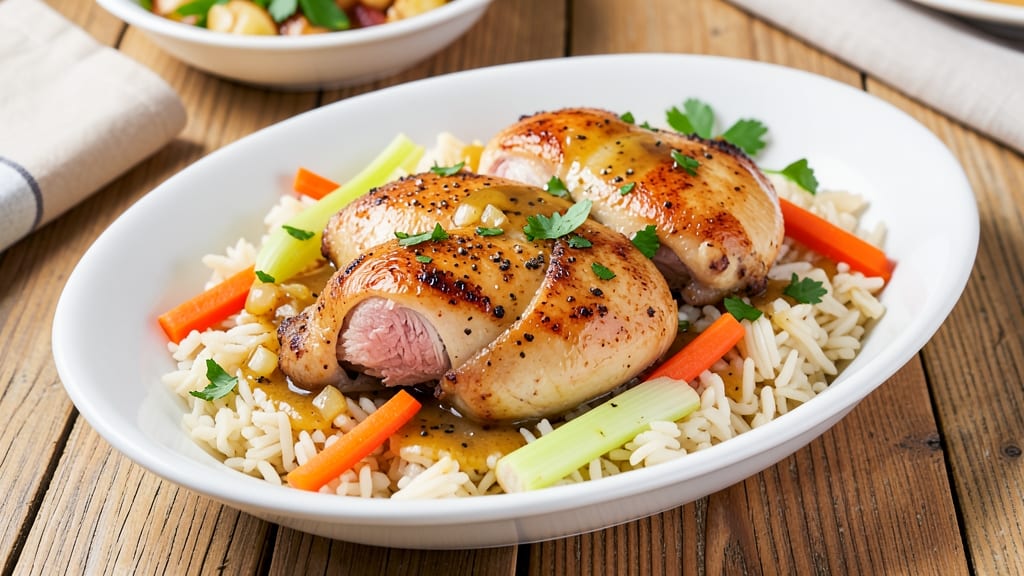
This one-pot chicken and rice freezer meal solves the weekly dinner dilemma with a single, foolproof assembly that feeds your family for months. 💛 The secret lies in perfectly balanced flavors—juicy chicken thighs simmered with long-grain rice, aromatic vegetables, and a savory broth—that develop even better after freezing.
No more last-minute scrambling when you're exhausted; just thaw, reheat, and serve.
What makes this recipe truly special is its freezer-friendly design: portioned into individual servings, this meal maintains texture and flavor for up to 6 months without drying out. The one-pot method cuts prep time by 75%, while the slow-cooker-inspired technique ensures tender chicken and fluffy rice every time.
Perfect for busy weeks, meal prep Sundays, or emergency pantry staples.
Ingredients for chicken and rice freezer meal
Sixteen ingredients for a freezer-friendly masterpiece that saves time and taste.
| Ingredient | Amount | Notes |
|---|---|---|
| Boneless, Skinless Chicken Thighs 🍗 | 2 ½ lb | Cut into 1-inch pieces |
| Long-Grain White Rice 🍚 | 2 cups | Uncooked, jasmine or basmati preferred |
| Yellow Onion 🧅 | 1 whole | Diced, medium size |
| Garlic Cloves 🧄 | 4 cloves | Minced, fresh preferred |
| Carrots 🥕 | 1 ½ cups | Diced, medium-sized pieces |
| Celery Stalks 🥬 | 3 whole | Diced, medium size |
| Chicken Broth 💧 | 3 cups | Low-sodium preferred |
| Canned Diced Tomatoes 🍅 | 14 ½ oz | Drained, fire-roasted preferred |
| Dried Thyme 🌿 | 1 tsp | Or 1 tbsp fresh thyme |
| Bay Leaves 🍃 | 2 whole | Remove before serving |
| Salt 🧂 | 1 ½ tsp | Diamond Crystal preferred |
| Black Pepper 🌶️ | ½ tsp | Freshly ground preferred |
| Olive Oil 🫒 | 2 tbsp | Extra-virgin for richness |
| Fresh Parsley 🌿 | ¼ cup | Chopped, for garnish |
The chicken thighs are non-negotiable here—they stay juicy through freezing better than breasts. Costco or local butchers often sell them in bulk at better prices, but any grocery store's fresh cut works. Look for thighs with good marbling—they'll stay tender even after months in the freezer. The rice choice matters too: jasmine or basmati grains hold up best to reheating. For the vegetables, organic carrots and celery from the store's produce section are ideal, but frozen diced veggies in a pinch work perfectly. Pre-chopped veggie mixes at Trader Joe's are a time-saver if you're short on prep time.
No fresh thyme? Dried works at one-third the amount, but fresh is ideal. The canned tomatoes can be any brand—Muir Glen or Hunt's are reliable—but fire-roasted adds nice depth. Short on olive oil? Avocado oil works identically. For the broth, low-sodium is crucial—you'll be adding extra salt later. The bay leaves are optional but recommended for that classic freezer-meal flavor. If you're making this for a crowd, double the recipe—it freezes beautifully in individual portions. The parsley is just for garnish, but fresh is worth it if you've got it.
This meal is designed to be frozen immediately after cooking. Portion into airtight containers or freezer bags with parchment paper between layers to prevent freezer burn. Labels with dates are essential—it keeps for up to 6 months without texture loss. For reheating, microwave with a splash of water or bake at 350°F for 30 minutes. The rice will be slightly firmer after freezing, but adding a splash of broth when reheating restores perfect texture. Make a double batch—you'll thank yourself later.
Why You'll Love This Recipe
- Fridge-to-Freezer Magic: I swear by this trick—just toss the raw chicken, rice, and chopped veggies into a bag, freeze it, and pull it out when you’re too tired to think. No pre-cooking, no fuss, just dump-and-go when you’re ready.
- Carrot-Garlic Crunch: That sweet, tender carrot bite and the way the garlic cloves soften just enough to perfume every mouthful? It’s the little details that make this dish ridiculously good—no fancy seasoning needed.
- Double-Duty Dinners: Make a big batch, freeze half, and suddenly you’ve got a weeknight lifesaver. Reheat it for lunch, serve it over rice for dinner, or even stuff it into wraps when you’re in a hurry.
- Thighs on a Budget: Chicken thighs stay juicy, cost less than breasts, and freeze like champs. Pair them with rice that’s always foolproof, and you’ve got a meal that’s gentle on your wallet but never on flavor.
Step-by-step instructions for one-pot chicken and rice meal prep
This method delivers perfectly balanced flavors and textures in a single pot.
🍳 Step 1: Sear the Chicken in Olive Oil
Heat the 2 tablespoons olive oil in a large Dutch oven or heavy pot over medium-high heat until shimmering. Add the 2.5 lb boneless, skinless chicken thighs cut into 1-inch pieces, working in batches if needed to avoid crowding. Sear for 4-5 minutes per side until the chicken develops a deep golden-brown crust.
Here's the thing—don't rush this step. You want that Maillard reaction happening to build rich flavor. If the oil starts smoking excessively, reduce heat slightly. Once all chicken pieces are browned, transfer them to a plate and set aside. You'll notice the bottom of the pot has beautiful browned bits—those are pure flavor gold.
👨🍳 Step 2: Sauté the Vegetable Base
In the same pot, add the diced yellow onion, minced garlic cloves, diced carrots, and diced celery stalks. Cook over medium heat for 5-6 minutes, stirring occasionally, until the vegetables soften and the onions become translucent. You should smell the aromatic base developing—this is your flavor foundation.
I like to press down gently on the vegetables with a wooden spoon during the first minute to help them release their juices. This ensures even cooking and prevents any pieces from sticking to the pot. If the vegetables start to brown too quickly, reduce heat slightly to medium-low.
🥘 Step 3: Build the One-Pot Mixture
Return the seared chicken to the pot. Add the 2 cups long-grain white rice, 14.5 oz canned diced tomatoes (drained), 3 cups chicken broth, 1 teaspoon dried thyme, 2 whole bay leaves, 1.5 teaspoons salt, and 0.5 teaspoon black pepper. Stir everything together gently but thoroughly to combine all ingredients.
The reason we add everything at once is to create a balanced flavor profile where each component infuses the others. The tomatoes add acidity, the broth provides moisture, and the herbs create depth. Give it one final stir to ensure the rice is evenly distributed—this prevents any dry spots in your final meal.
🔥 Step 4: Simmer to Perfect Doneness
Bring the mixture to a gentle boil over medium-high heat, then immediately reduce heat to low. Cover the pot with a tight-fitting lid and simmer for 25-30 minutes. Here's the critical part: don't peek or stir during this time—it disrupts the even cooking and releases steam, which can make your rice mushy.
After 25 minutes, check the rice. It should be tender but still have a slight bite in the center. If you're unsure, taste a grain—it should be firm with a slight resistance. The chicken should be cooked through with an internal temperature of 165°F. If it needs more time, cook in 5-minute increments until everything reaches perfect doneness.
⏰ Step 5: Rest and Prepare for Freezing
Once fully cooked, remove the pot from heat and let the mixture rest for 10 minutes with the lid slightly ajar. This resting period allows the flavors to meld and the rice to finish absorbing any remaining liquid. During this time, remove and discard the bay leaves—they've done their job and can be quite bitter if left in.
For freezing, let the meal cool completely to room temperature, then transfer it to airtight freezer-safe containers or heavy-duty freezer bags. Remove as much air as possible before sealing to prevent freezer burn. Label with the date and store in the freezer for up to 3 months. When ready to eat, thaw overnight in the refrigerator and reheat on the stovetop with a splash of water or broth.
Pro Tips For Making Chicken And Rice Freezer Meal
- USE HIGH HEAT FIRST: I learned this the hard way—skipping the initial high-heat sear for the chicken thighs means you’ll end up with dry, flavorless meat by the time it’s fully cooked. Get that pan screaming hot (medium-high) and sear the thighs for 4-5 minutes per side until they’re golden. The crust locks in moisture, and the freezer meal stays juicy when reheated.
- CHOP ONIONS SMALLER THAN YOU THINK: I used to slice onions into big, restaurant-style chunks, but in freezer meals, they turn to mush when reheated. Dice them into 1/4-inch pieces—small enough to disappear into every bite without turning into a watery paste. Same goes for carrots: julienne them thin so they cook evenly and don’t leave you with a sad, half-raw stick in your reheated dish.
- SALT THE CHICKEN THIGHS BEFORE SEARING: This isn’t just about seasoning—it’s about texture. Sprinkle the thighs generously with salt (about 1/2 teaspoon per thigh) and let them sit for 10 minutes before hitting the pan. The salt draws out moisture, which evaporates during searing, creating that perfect crust. Skip this, and you’ll get a meal that tastes bland no matter how long you cook it.
- UNDERCOOK THE RICE SLIGHTLY: Freezer meals expand when reheated, and rice is notorious for drying out if you cook it to perfection first. Boil the rice for 2 minutes less than the package suggests, then drain it and spread it on a tray to cool quickly. When you reheat it later, it’ll finish cooking in the sauce and stay fluffy instead of gummy. Trust me, your future self will notice the difference.
Common mistakes when making perfect results
Overcooking Chicken
Chicken thighs are forgiving, but overcooking turns them dry and rubbery. Use a meat thermometer to check for 165°F internal temperature—any hotter and you’ll ruin the texture.
I’ve ruined meals by walking away and forgetting the pot, so set a timer for 25-30 minutes after the rice starts simmering. 🌡️
Underseasoning
Freezing dulls flavors, so don’t skimp on salt and herbs. The 1.5 tsp salt in the recipe is a baseline—taste before freezing and adjust. I always add an extra pinch of salt when reheating to compensate for flavor loss.
Fresh herbs like parsley can’t be frozen well, so save them for garnishing after reheating.
Skipping the Rest
Letting the meal rest for 10 minutes after cooking prevents a gummy texture. This isn’t optional—it’s when flavors meld and rice finishes cooking. I’ve seen people rush this step and end up with mushy rice or undercooked chicken. Trust the process! ⏳
Poor Freezing Technique
Freezer burn ruins texture and taste. Use airtight containers or heavy-duty freezer bags with all air removed. I label each container with the date—this meal keeps for 6 months, but after that, quality declines.
Never stack containers without parchment paper between layers, or you’ll end up with a frozen block.
Reheating Wrong
Microwaving without moisture dries out the rice. Always add 2-3 tablespoons of water or broth when reheating. For stovetop, simmer covered for 10-15 minutes—never high heat, or you’ll overcook the chicken. I’ve learned this the hard way after serving dry, sad rice to my family.
Using Wrong Rice
Long-grain white rice is non-negotiable—it holds up to freezing better than basmati or jasmine. I’ve tried short-grain rice, and it turns mushy after thawing. Stick to jasmine or basmati—they’re the only varieties that maintain texture after freezing and reheating. 🍚
Nutrition facts
Frequently asked questions
Can I use chicken breasts instead of thighs?
Chicken thighs are ideal for freezing—they stay juicy and tender. If you prefer breasts, use 1.5 lb (instead of 2.5 lb) and cut them into ½-inch pieces. They'll dry out faster after freezing, so add 1 extra tablespoon of broth when reheating. For best results, marinate breasts in 1 tbsp olive oil, 1 tsp lemon juice, and ½ tsp garlic powder for 30 minutes before cooking.
How do I reheat this meal without drying it out?
Thaw overnight in the fridge, then reheat gently. For stovetop, add 2-3 tbsp water or broth and simmer covered on low heat for 10-15 minutes. Microwave? Use 50% power for 3-4 minutes with a damp paper towel over the dish. Never reheat on high heat—it turns rice gummy and chicken rubbery. A splash of broth revives texture perfectly!
Can I add other veggies or proteins?
Swap in 1 cup frozen peas or ½ cup diced bell peppers with the carrots and celery. For protein, add 1 cup cooked lentils or ½ cup diced ham after cooking. Just adjust liquid: add ¼ cup broth per extra cup of solids. Avoid watery veggies like zucchini—they make rice mushy.
Why does my rice turn mushy after freezing?
Two likely causes: overcooking the rice or improper reheating. Always check rice doneness at 25 minutes—it should have a slight bite. When reheating, use low heat and add moisture. For extra insurance, use 1 cup basmati rice (instead of jasmine) and reduce simmer time to 20 minutes. The key is balance—rice needs to be tender but not fully cooked before freezing.
How long does this meal last in the fridge?
Cooked and stored properly, this meal keeps in the fridge for 4-5 days. Portion into airtight containers and press plastic wrap directly on the surface to prevent drying. For best quality, freeze within 3 days of cooking. Leftovers reheat beautifully—just