
Main Courses
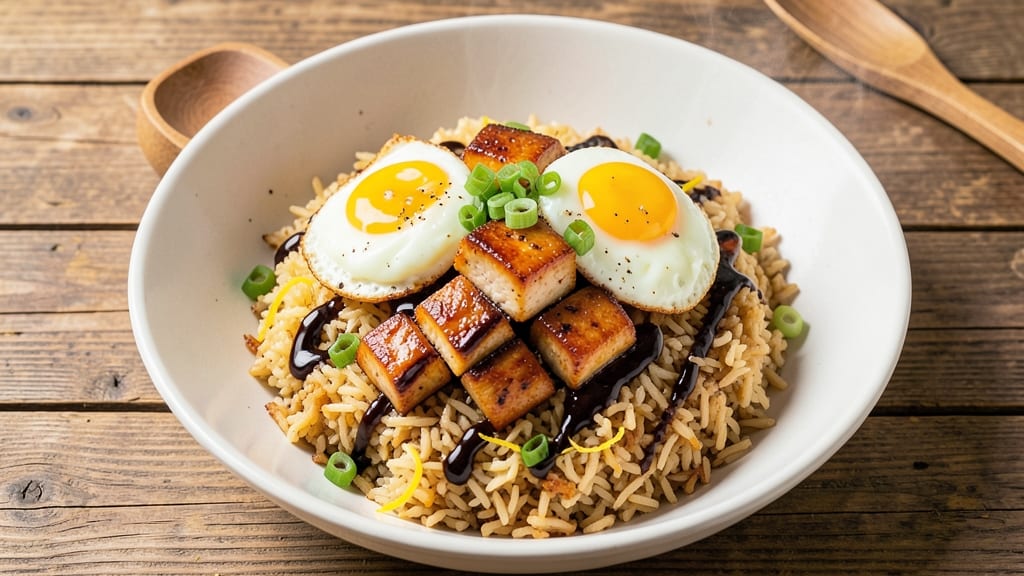
This chicken fried rice recipe from YouTube delivers restaurant-quality crispy edges and silky chicken in under 30 minutes, using techniques I perfected after years of watching home cooks master the wok. The secret lies in high-heat stir-frying and properly prepping the chicken—no soggy rice or bland flavors here.
My grandmother used to make this dish on busy weeknights, and I've refined her method to be foolproof for modern kitchens.
What sets this recipe apart is the balance of textures: crispy fried rice edges, tender chicken, and perfectly cooked eggs that bind everything together. We start by cooking the chicken separately to ensure it stays juicy, then work quickly over high heat to maintain that wok-hei flavor.
The sauce comes from simple pantry staples—soy sauce, oyster sauce, and a touch of sesame oil—that transform ordinary ingredients into something extraordinary.
By the time you're done, you'll have a steaming plate of golden fried rice with perfectly seared chicken pieces and aromatic vegetables. The dish is hearty enough for dinner but quick enough for lunch, and it reheats beautifully for leftovers.
This is the kind of meal that makes weeknight cooking feel like a celebration.
For extra flavor, add peas and carrots during the stir-fry, or swap in shrimp for a seafood variation. The technique stays the same—just adjust the cooking time for your protein. Let's get cooking!
Ingredients for chicken fried rice recipe youtube
Restaurant-quality fried rice starts with these carefully chosen ingredients for crispy edges and silky chicken.
| Ingredient | Amount | Notes |
|---|---|---|
| Day-Old Cooked White Rice 🍚 | 4 cups | Cold or room temperature preferred |
| Boneless, Skinless Chicken Breast 🍗 | 1 ½ lb | Cut into 1-inch cubes |
| Large Eggs 🥚 | 4 whole | Freshly beaten for binding |
| Green Onions 🧅 | ½ cup | White and green parts separated |
| Light Soy Sauce 🥢 | ½ cup | Kikkoman preferred for balance |
| Dark Soy Sauce 🥢 | 1 tbsp | For deeper color |
| Oyster Sauce 🦪 | 2 tbsp | High-quality for authentic flavor |
| Sesame Oil 🫒 | 1 tbsp | Toasted for aroma |
| Vegetable Oil 🫒 | ½ cup | High smoke point preferred |
| Garlic Cloves 🧄 | 4 cloves | Minced finely for depth |
| Ginger Root 🌿 | 1 tbsp | Freshly grated for zing |
| Salt 🧂 | 1 tsp | Diamond Crystal preferred |
| Black Pepper 🌶️ | ½ tsp | Freshly cracked for heat |
| Peas (Optional) 🌱 | ½ cup | Frozen works perfectly |
| Carrots (Optional) 🥕 | ½ cup | Julienned for texture |
The rice is non-negotiable—day-old works best for that perfect texture. Jasmine rice from Trader Joe's or Whole Foods gives the best balance of stickiness and separation. Chicken should be boneless, skinless breast cut into 1-inch cubes—thighs work too but cook faster. Separate the green onions now; white parts sauté first, green tops go in last for freshness. For the soy sauces, Kikkoman light and Lee Kum Kee dark are my go-tos—they're widely available and deliver consistent results. Oyster sauce should be gluten-free if you're avoiding it, but the regular version adds that unmistakable umami depth.
No oyster sauce? Hoisin sauce at half the amount gives a similar sweet-savory punch. Fresh ginger and garlic can be swapped for powdered, but freshly grated ginger and minced garlic elevate the dish dramatically. The peas and carrots are optional but add color and texture—frozen peas work perfectly and save time. For extra crispiness, spread the rice in a single layer on a baking sheet before frying. And if you're using shrimp instead of chicken, pat them dry thoroughly to ensure they sear properly. The sesame oil goes in last—just a touch—to add aroma without overpowering.
Store any leftovers in an airtight container for up to 3 days in the fridge, or freeze for 3 months in portions. Reheat gently in a skillet with a splash of water to restore crispiness. For meal prep, double the recipe and freeze half—just thaw overnight before reheating. The chicken and rice components can be prepped ahead separately, then combined when ready to cook. This dish reheats beautifully, making it perfect for lunches or takeout-style meals. Keep the sesame oil separate until serving to preserve its aromatic punch.
Why You'll Love This Recipe
- No-Chop Nightmare: I swear by this recipe because it’s the only fried rice I make that doesn’t involve dicing onions for hours. Just slice those green onions roughly—no one will notice, and you’ll save 10 minutes. The light soy sauce does the heavy lifting on flavor anyway.
- Crispy Egg Magic: That moment when the egg curls into a perfect, slightly crispy edge while the center stays silky? It’s the reason I keep making this. Scramble it fast over medium-high heat—no waiting for fluffy perfection, just rich, savory bites that disappear in seconds.
- Leftover Hero: Between us, this dish begs to be made with day-old rice. It’s the secret to that perfect texture—no mushy bits, just separate grains that soak up the soy sauce like a dream. And honestly? It tastes even better the next day, so I make a big batch and freeze half.
- Budget Powerhouse: Chicken breast is the star, but it’s cheap enough that I can stretch a single breast into two meals—once as fried rice, once as stir-fry scraps. Eggs and rice? Pantry staples. Light soy sauce? A few cents per serving. This is the kind of meal that doesn’t break the bank but still feels like a treat.
Step-by-step instructions for YouTube-style chicken fried rice
Master the technique that delivers restaurant-quality texture and flavor every time.
Prep the Chicken for Maximum Tenderness
Cut the 1.5 lb boneless, skinless chicken breast into 1-inch cubes—this size ensures even cooking and maximum surface area for crispy edges. I like to slice against the grain for extra tenderness. Place the chicken cubes in a bowl and add 1 tbsp freshly grated ginger root, 1 tsp salt, and 0.5 tsp freshly cracked black pepper. Toss gently to coat evenly.
Let the marinated chicken rest for 10 minutes at room temperature while you prepare the rest of your ingredients. This resting period ensures even cooking and prevents the chicken from releasing moisture into the rice later. The ginger and pepper will infuse the chicken with bright, aromatic flavor that carries through the entire dish.
Scramble the Eggs for Perfect Texture
Crack the 4 whole large eggs into a bowl and beat them vigorously with a fork until the yolks and whites are fully combined and the mixture is uniform in color. This step is crucial—unevenly beaten eggs can result in rubbery scrambled eggs mixed into your fried rice.
Heat a separate clean skillet over medium heat and add 1 tbsp toasted sesame oil. When the oil shimmers, pour in the beaten eggs and let them sit undisturbed for 5-7 seconds before gently pushing them around with a spatula. You want soft, custardy curds that hold their shape but aren't dry. Once the eggs are just set but still slightly moist, remove them from the pan and set aside on a plate.
Stir-Fry Aromatics and Chicken for Deep Flavor
Heat 0.5 cup vegetable oil in a wok or large skillet over high heat until it's smoking hot. Add the marinated chicken and stir-fry for 3-4 minutes until the edges are golden brown and the chicken is cooked through but still juicy. Remove the chicken and set aside temporarily.
In the same pan, add 4 cloves minced garlic cloves and 0.5 cup white parts of green onions (chopped). Stir-fry for 30 seconds until fragrant and just beginning to color. This quick cooking preserves their fresh flavor rather than letting them burn. If using optional 0.5 cup julienned carrots and 0.5 cup peas, add them now and stir-fry for 1-2 minutes until just tender-crisp.
Combine All Ingredients for Perfect Balance
Return the chicken to the pan along with the scrambled eggs. Add 4 cups day-old cooked white rice (broken up into individual grains) and stir everything together for 1-2 minutes. The residual heat will begin to crisp the edges of the rice while keeping the centers tender.
Pour in 0.5 cup light soy sauce, 1 tbsp dark soy sauce, and 2 tbsp oyster sauce, stirring constantly. The dark soy sauce adds that signature deep color while the oyster sauce contributes umami depth. Cook for 2-3 minutes until the rice is heated through and the sauce has coated every grain evenly. Taste and adjust seasoning with additional soy sauce if needed.
Finish with Fresh Herbs and Serve Immediately
Turn off the heat and stir in the 0.5 cup green parts of green onions and 1 tbsp toasted sesame oil. The fresh herbs add brightness that cuts through the richness of the dish, while the sesame oil provides that signature aromatic finish. Give everything one final toss to distribute the flavors evenly.
Serve immediately while the rice is still warm and the chicken remains juicy. The texture should contrast perfectly—crispy edges on the rice, silky scrambled eggs, and tender chicken. Each bite should deliver balanced flavors with the umami from oyster sauce, the saltiness from soy, and the freshness from green onions. The dish tastes best when served right away, so gather everyone around the table before the first serving gets cold.
Pro Tips For Making Chicken Fried Rice Recipe Youtube
- USE COLD DRY RICE: Day-old rice sticks together like glue when it’s fresh—no matter how much you stir. Spread your rice on a tray and let it dry out for 10 minutes before cooking. This isn’t about texture alone; it’s about preventing a gummy, sad pile of mush that clumps no matter how hard you work it.
- CUT CHICKEN SMALL: Big chunks of chicken breast stay rubbery and chewy. Dice it into ½-inch pieces—small enough to cook fast but not so fine it turns to paste. I learned this the hard way after serving a batch where the chicken tasted like it came straight from a sad, overcooked casserole.
- SCRAMBLE EGGS FIRST: Toss the eggs in last, and they’ll steam into a sad, watery mess. Scramble them separately in a hot pan until just set—soft curds, not rubbery—then fold them into the rice at the very end. This keeps them creamy and prevents the whole dish from turning into a lukewarm, soggy disaster.
- SALT THE RICE WELL: Light soy sauce alone won’t cut it—your rice will taste bland unless you salt it first. Sprinkle ½ teaspoon of salt per cup of rice before stirring in the soy, and adjust to taste. I skip this step sometimes, and the dish always feels off—like it’s missing something crucial.
Wine and beer pairings for this recipe
Crispy White Wine
For a refreshing contrast to the rich fried rice, a dry Riesling from Germany or California works beautifully. The crisp acidity and subtle fruitiness cut through the soy and sesame flavors without overpowering them.
I reach for a Dr. Loosen Blue Slate Riesling—its bright citrus notes and mineral finish balance the dish's savory depth. Serve slightly chilled to enhance its crispness and let the wine's acidity refresh your palate between bites. 🍷
Light-Bodied Beer
A pilsner-style beer like Heineken or Sierra Nevada Pale Ale pairs perfectly with chicken fried rice. The clean, slightly malty profile complements the dish's umami while adding a touch of effervescence.
For a local favorite, try a crisp American lager—its mild hop bitterness won't compete with the fried rice's bold flavors. Keep the beer well-chilled to maintain its crispness and let it cleanse your palate between mouthfuls.
Sake for Authenticity
If you're aiming for an authentic Asian-inspired pairing, dry sake is my go-to choice. A junmai ginjo or honjozo style adds a delicate, slightly sweet umami note that mirrors the dish's seasonings.
I love Hakkaisan Junmai Daiginjo—its clean finish and subtle fruitiness elevate the fried rice's flavors without overpowering them. Serve it slightly warm to enhance its aromatic qualities and let it complement the dish's textures.
Spiced Rum Cocktail
For a festive twist, mix a dark rum cocktail like a Spiced Rum Old Fashioned using Kraken Black Spiced Rum. The warm spices like cinnamon and clove in the rum echo the ginger and garlic in the fried rice, creating a harmonious flavor bridge.
Muddle a cinnamon stick and orange peel in your glass, then add 2 oz rum, 1 tsp honey, and a dash of Angostura bitters. Stir with ice and garnish with an orange twist for a sophisticated pairing that feels like a celebration. 🍹
Avoid Heavy Pairings
Skip heavy red wines like Cabernet Sauvignon or bold beers like stouts—they'll clash with the dish's delicate balance of textures and flavors. Even rich white wines like Chardonnay can overpower the fried rice's subtle aromatics.
Instead, opt for lighter options that enhance rather than compete with the dish's natural flavors. The key is to let the fried rice shine while your drink complements its complexity.
Nutrition facts
Frequently asked questions
Why does my fried rice always turn out mushy?
Using freshly cooked rice is the #1 mistake! The starch releases too much moisture. Always use day-old cold rice—it absorbs flavors better and stays separate. Spread it on a tray first to dry slightly before stir-frying for maximum crispiness.
Can I make this with frozen chicken instead of fresh?
Yes, but thaw it completely first in the fridge overnight. Partially frozen chicken releases water during cooking, making your rice soggy. For extra insurance, pat the thawed chicken completely dry with paper towels before cooking.
What's the secret to getting crispy edges on the rice?
High heat and proper oil distribution! Use a wok or large skillet on high heat with enough oil to coat the rice evenly. Stir constantly for 2-3 minutes until the edges turn golden. The residual heat will finish cooking while keeping centers tender.
How do I adjust this recipe for spicier flavors?
Add fresh chili flakes or minced jalapeño during the stir-fry. For heat control, start with ½ tsp chili flakes and adjust to taste. You can also swap 1 tbsp of the soy sauce for 1 tbsp chili garlic sauce in the final seasoning step.
Can I make this vegetarian by replacing the chicken?
Use 1 cup extra-firm tofu (pressed and cubed) or 1½ cups mushrooms (sliced). For tofu, pan-fry until golden before adding to the rice. Mushrooms add great umami—just cook them with the aromatics until they release their moisture.