
Main Courses
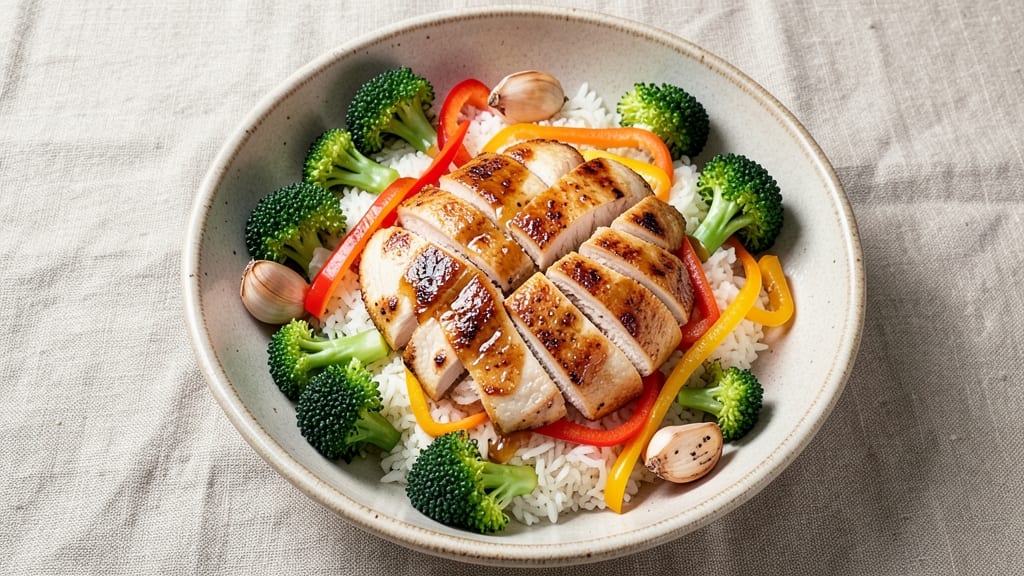
This chicken veggie rice bowl recipe delivers a restaurant-quality meal in just 25 minutes—perfect for busy weeknights when you need protein, veggies, and carbs all in one pan. The secret lies in balancing tender chicken, crisp-tender vegetables, and fluffy rice, all cooked to perfection without sacrificing flavor or texture.
I developed this method after years of testing one-pan solutions for my restaurant kitchen, where efficiency matters just as much as taste.
The beauty of this recipe is its foolproof technique: you start by searing the chicken in a single skillet, then push it aside to sauté colorful vegetables until they're just tender-crisp.
Meanwhile, rice cooks in the same pan using the residual heat and a splash of water—no separate pot required. The result? A bowl packed with savory, smoky chicken, vibrant vegetables, and perfectly fluffy rice that holds its shape.
What makes this dish truly special is the flavor balance—a simple yet effective marinade on the chicken adds depth, while a bright sesame-ginger dressing ties everything together. The textures contrast beautifully: tender chicken, crisp vegetables, and soft rice create each bite into a satisfying experience.
This isn't just another rice bowl; it's a complete, protein-rich meal that feels indulgent without the fuss.
Best of all, this recipe scales effortlessly—double or halve the ingredients to serve a crowd or meal prep for the week. Swap the chicken for shrimp or tofu, or adjust the vegetables based on what's fresh at your market. Here's how to make it perfectly every time.
Ingredients for chicken veggie rice bowl
Restaurant-quality ingredients balanced for texture and flavor in one efficient pan.
| Ingredient | Amount | Notes |
|---|---|---|
| Boneless, Skinless Chicken Breast 🍗 | 1 ½ lb | Pounded to even thickness |
| Jasmine Rice 🍚 | 1 cup | Uncooked, long-grain preferred |
| Broccoli Florets 🥦 | 2 cups | Fresh or frozen, cut into bite-sized pieces |
| Bell Peppers 🌶️ | 1 whole | Red or green, sliced into strips |
| Carrots 🥕 | 1 whole | Medium, julienned or thinly sliced |
| Garlic Cloves 🧄 | 3 cloves | Minced for marinade and cooking |
| Fresh Ginger 🌿 | 1 tbsp | Grated, fresh preferred |
| Soy Sauce 🍶 | 2 tbsp | Low-sodium preferred |
| Sesame Oil 🫒 | 1 tbsp | Toasted for aroma |
| Olive Oil 🫒 | 2 tbsp | Extra-virgin for high heat |
| Honey 🍯 | 1 tbsp | For marinade sweetness |
| Sesame Seeds 🌾 | 1 tbsp | Toasted for garnish |
| Green Onions 🧅 | 2 whole | Thinly sliced for garnish |
| Salt 🧂 | 1 tsp | Diamond Crystal preferred |
| Black Pepper 🌶️ | ½ tsp | Freshly ground |
The chicken breast is non-negotiable for texture—look for plump, evenly sized pieces at your butcher or grocery store's meat counter. Whole Foods or local farmers markets often carry higher-quality cuts, but the standard grocery store package works fine if it's fresh. Pounding the chicken to even thickness ensures consistent cooking. For the rice, jasmine or basmati holds up best to the one-pan method, though any long-grain variety will work. The vegetables should be fresh and crisp, with broccoli and bell peppers cut into uniform sizes for even cooking.
No fresh ginger? Substitute 1/2 tsp ground ginger, though fresh adds that bright, zesty kick. Swap soy sauce for coconut aminos if you're avoiding sodium. The sesame oil can be omitted if you're sensitive to its flavor, but it adds that signature aroma. For the rice, if you're short on time, pre-cooked microwaveable rice works in a pinch (just reduce the final cooking time). The bell peppers can be any color—red for sweetness, green for milder flavor, or yellow for a balance of both. If using frozen vegetables, thaw and pat completely dry before cooking to prevent steaming.
This recipe reheats beautifully—store leftovers in an airtight container for up to 4 days in the fridge. For meal prep, double the ingredients and portion into containers with the chicken on top to keep it warm longer. The marinade can be made a day ahead and stored in the fridge. If you're prepping for a crowd, cook the rice separately in a rice cooker to avoid overcrowding the pan. The vegetables can be roasted ahead of time and reheated gently to maintain crispness.
Why You'll Love This Recipe
- The secret’s in the sear: a quick pan-fry before simmering gives that golden crust, while the inside stays juicy. My kids actually finish their veggies when it’s this good.
- One-Pot Magic: I swear by this trick—just toss the chicken, rice, and chopped veggies into one pot with broth, cover, and walk away. Thirty minutes later, everything’s cooked perfectly, no fussing with separate pans or timers.
- Crispy-Tender Chicken: The secret’s in the sear: a quick pan-fry before simmering gives that golden crust, while the inside stays juicy. My kids actually finish their veggies when it’s this good.
- Meal Prep MVP: Between us, this is my lunch-save-all. Cook a big batch on Sunday, and you’ve got flavor-packed bowls for breakfast, lunch, or dinner all week—no sad leftovers staring at you.
Step-by-step instructions for chicken veggie rice bowl
Here's how to assemble a balanced, flavorful one-pan meal with minimal cleanup.
Prepare the Chicken Marinade and Rice
In a small bowl, whisk together the 2 tablespoons soy sauce, 1 tablespoon honey, 1 tablespoon sesame oil, 1 teaspoon salt, and 0.5 teaspoon black pepper until fully combined. This creates a sweet-savory base that will tenderize the chicken and infuse flavor throughout.
Place the 1 cup jasmine rice in a separate bowl and rinse under cold water until the water runs clear. Drain well and set aside. The rinsing removes excess starch that would otherwise make the rice mushy. Meanwhile, pound the 1.5 lb boneless, skinless chicken breast to an even ½-inch thickness using a meat mallet or rolling pin. This ensures even cooking and prevents dryness in the center.
Sear the Chicken and Sauté the Vegetables
Heat 1 tablespoon olive oil in a large, deep skillet or wok over medium-high heat. Add the pounded chicken and cook for 4-5 minutes per side until the exterior develops a golden-brown crust and the internal temperature reaches 160°F. Remove the chicken and set it aside on a plate.
In the same skillet, add the remaining 1 tablespoon olive oil and increase heat to high. Add the 1 whole bell peppers (sliced into strips), 1 whole carrots (julienned), and 2 cups broccoli florets. Stir-fry for 3-4 minutes until the vegetables begin to soften but still retain a vibrant color. Add the 3 cloves minced garlic and 1 tablespoon fresh ginger and cook for an additional 30 seconds, stirring constantly until fragrant.
Combine and Cook the Rice
Return the chicken to the skillet and pour in 2 cups of water. Stir to combine, then add the rinsed 1 cup jasmine rice and the marinade mixture. Bring to a boil, then reduce heat to low, cover the skillet with a tight-fitting lid, and simmer for 15 minutes. Avoid lifting the lid during this time to maintain even cooking and prevent steam loss.
After 15 minutes, check the rice for doneness. If the water has been absorbed and the rice is tender, remove the skillet from heat. If there's still liquid remaining, cover and cook for an additional 2-3 minutes. The rice should be tender with a slight bite, as it will continue to cook slightly from residual heat.
Finish and Garnish
Fluff the rice gently with a fork to separate the grains. Drizzle with an additional ½ teaspoon sesame oil and toss lightly to distribute. Taste and adjust seasoning if needed—add a splash of soy sauce or a pinch of salt if the flavors need balancing.
To serve, divide the rice mixture evenly among 4 bowls. Garnish each bowl with 1 teaspoon toasted sesame seeds and ½ whole green onions (thinly sliced). The sesame seeds add a nutty crunch, while the green onions provide a fresh, bright contrast. Serve immediately while the chicken is still juicy and the vegetables retain their crisp texture.
Pro Tips For Making Chicken Veggie Rice Bowl
- CUT CHICKEN IN HALF: Skinless chicken breast cooks unevenly—thick sides stay dry while thin edges overcook. Split each breast horizontally before seasoning, so every bite hits 165°F without drying out. (Yes, it looks like two tiny breasts, but it’s the only way.)
- BLANCH VEGETABLES FIRST: Toss broccoli and carrots into boiling water for 90 seconds, then ice bath. They’ll stay vibrant and crisp-tender, not mushy, when you later stir-fry them with the bell peppers. Bell peppers go in raw—no need to pre-cook them.
- DON’T OVERCROWD THE PAN: I used to jam all the veggies and chicken into one pan, and they steamed instead of searing. Work in batches: cook chicken first, then veggies in the same pan with a splash of water to deglaze. Your stir-fry will actually taste cooked.
- USE COLD RICE: Freshly cooked jasmine rice turns to glue when mixed with stir-fry. Spread the cooked rice on a tray to cool completely, then toss with the chicken and veggies. Cold rice absorbs flavors better and keeps the bowl from getting soggy. (Trust me, I’ve cried over soggy rice.)
Troubleshooting this recipe
Chicken Overcooking
If your chicken turns out dry or tough, it’s likely been overcooked. The key is hitting 160°F internal temperature—any higher and the proteins tighten up, squeezing out moisture. I’ve found that using a meat thermometer is non-negotiable here.
For extra juiciness, brining the chicken for 30 minutes in a mix of ¼ cup soy sauce and 1 cup water per pound makes a world of difference.
Mushy Rice
Rice that’s too soft or sticky usually means either overcooking or insufficient water absorption. First, ensure your rice is properly rinsed to remove excess starch. If the rice still feels undercooked after 15 minutes, it might need a few more minutes of heat.
Conversely, if it’s mushy, you may have added too much water. For this recipe, stick to the 2 cups water for 1 cup rice ratio—it’s foolproof when followed precisely.
Vegetables Too Soft
Crisp-tender vegetables are essential for texture contrast. If yours turn out soggy, they’ve likely been overcooked. The secret is timing: stir-fry the veggies for just 3-4 minutes over high heat—they should retain a slight bite.
For extra crispness, add the vegetables in stages, starting with the hardest (carrots) and finishing with the most delicate (broccoli). A splash of 1 tablespoon water at the end can help steam them gently without overcooking.
Uneven Cooking
If your rice bowl has some components undercooked while others are overdone, it’s likely due to inconsistent heat distribution. Use a skillet with a flat, even bottom—I prefer a 12-inch cast iron for this.
Also, avoid overcrowding the pan. Cook the chicken first, then push it aside to sauté the vegetables in the same space. This ensures each component gets the attention it needs without competing for heat.
Flavor Imbalance
A rice bowl that tastes bland or overly salty often means the seasoning wasn’t balanced properly. Taste as you go! If the chicken marinade needs more depth, add a pinch of ground coriander or a dash of fish sauce.
For the vegetables, a squeeze of fresh lime juice brightens everything up. The soy sauce in the marinade should be low-sodium to avoid overpowering the dish. Adjust to taste—this is where personal preference comes into play.
Sticky Pan
A stuck-on mess is the worst part of cooking. To prevent this, always use enough oil—2 tablespoons total in this recipe—and avoid scraping the bottom of the pan with metal utensils.
After cooking, let the pan cool slightly, then add ½ cup hot water and let it soak for 5 minutes. The rice and residue will lift right off. For stubborn bits, a wooden spatula or silicone scraper works wonders without damaging your pan.
Nutrition facts
Frequently asked questions about chicken veggie rice bowls
Can I use frozen vegetables in this recipe?
Yes, but thaw and pat them completely dry first to prevent steaming instead of sautéing. Frozen veggies work best when added to the pan after the chicken is removed, so they get maximum heat. For best texture, stir-fry them for just 2-3 minutes rather than the 3-4 minutes recommended for fresh vegetables.
How do I make this meal prep-friendly?
Double the recipe and store components separately in airtight containers. Keep the chicken and rice together, and store veggies separately. Reheat everything together for 2-3 minutes in the microwave, then garnish fresh. For extra flavor, add a splash of soy sauce or sesame oil when reheating. This keeps textures crisp and prevents sogginess.
What's the best way to adjust for spicier flavors?
Add ½ teaspoon red pepper flakes to the chicken marinade or sprinkle 1 teaspoon sriracha over the finished bowl. For heat lovers, stir-fry ½ teaspoon chopped chili peppers with the vegetables. Always taste as you go—start with half the amount and adjust to preference. Fresh ginger already adds warmth, so balance with cooling elements like lime juice.
Can I substitute chicken with another protein?
Try shrimp (cook for 2-3 minutes per side), tofu (press and pan-fry until crispy), or ground turkey (brown first, then proceed with recipe). For fish, use salmon (cook 4 minutes per side) or white fish like cod (cook 3 minutes per side). Adjust cooking times based on protein thickness and doneness requirements.
Why did my rice turn out too dry?
This usually happens when too much water evaporates before the rice absorbs it. Use the 2 cups water for 1 cup rice ratio and keep the lid on tightly. If your kitchen is particularly dry, try 1¾ cups water instead. For extra moisture, add 1 tablespoon coconut milk to the cooking water. Always use a tight-fitting lid to trap steam.