
Main Courses
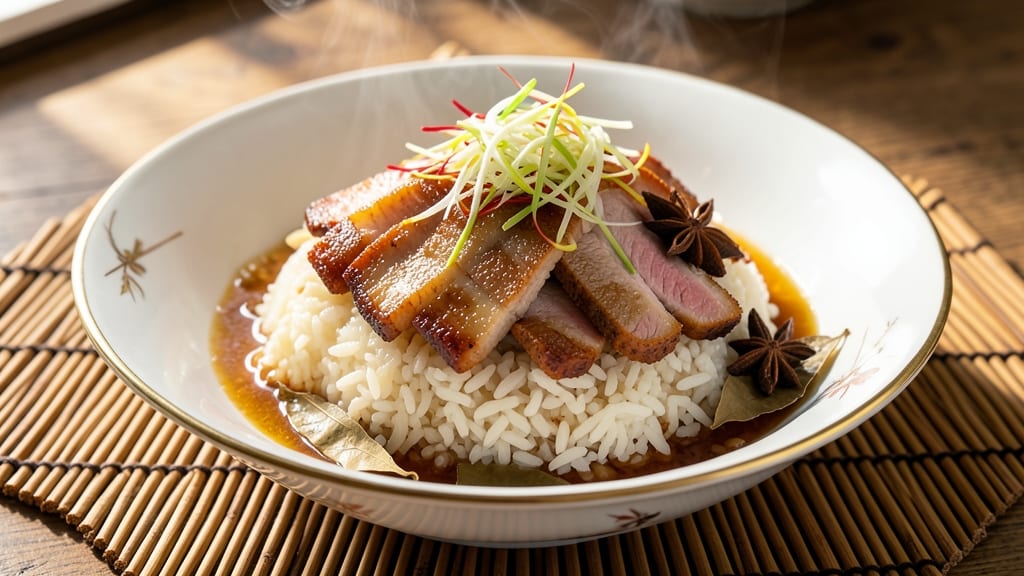
This Chinese pork steamed rice recipe transforms simple ingredients into a one-pot wonder that captures the heart of Cantonese home cooking. 💛 The secret lies in braising tender pork belly with aromatic spices until fall-apart tender, then simmering it with jasmine rice to create a fragrant, savory dish where every grain absorbs the rich meaty broth.
I developed this method after years of studying how professional Chinese kitchens achieve that perfect balance of textures—tender pork, fluffy rice, and a sauce that clings to every bite.
The beauty of this recipe is its versatility and simplicity: no fancy equipment needed, just a heavy pot or Dutch oven to handle the double-boiling technique. We start with pork belly for its natural fat that renders into golden, crispy edges while keeping the meat succulent inside.
The rice steams in its own broth, infused with ginger, scallions, and star anise, creating that signature fragrant aroma that makes this dish irresistible. This is the kind of meal that feels special yet comes together with minimal effort—ideal for weeknight dinners or weekend family gatherings.
What you’ll end up with is a restaurant-quality dish where each forkful delivers perfectly cooked rice and tender pork in one harmonious bite. The pork remains juicy and flavorful, while the rice absorbs just enough of the savory broth to be fragrant without being soggy.
The dish is traditionally served with pickled vegetables or a simple cucumber salad to cut through the richness, but it’s equally delicious on its own. This recipe is a testament to how simple techniques—like layering flavors and controlling moisture—can create a dish that tastes like it took hours to prepare.
The best part? This method works equally well with pork shoulder or even chicken thighs if you prefer leaner options. The same principles apply: braise the protein until tender, then steam the rice in the same pot to create a cohesive, flavorful dish.
Whether you're serving it to guests or treating yourself to a comforting meal, this Chinese pork steamed rice recipe delivers authentic, satisfying results with minimal fuss. Let’s get started on creating your own fragrant, one-pot masterpiece.
Ingredients for chinese pork steamed rice
Pork belly, jasmine rice, and aromatic spices transform into a fragrant one-pot masterpiece.
| Ingredient | Amount | Notes |
|---|---|---|
| Pork Belly 🥓 | 1 ½ lb | Skin-on, cut into 1.5-inch cubes |
| Jasmine Rice 🍚 | 1 ½ cups | Uncooked, long-grain preferred |
| Fresh Ginger 🧄 | 2 tbsp | Grated, aromatic quality |
| Scallions 🧅 | ½ cup | White and green parts, chopped |
| Star Anise 🌟 | 2 whole | For authentic aroma |
| Dried Bay Leaves 🍃 | 2 whole | Standard grocery store quality |
| Soy Sauce 🥄 | ½ cup | Light or all-purpose variety |
| Shaoxing Wine 🍷 | ¼ cup | Substitute dry sherry if unavailable |
| Rock Sugar 🍬 | 2 tbsp | Or substitute brown sugar |
| Sesame Oil 🫒 | 1 tbsp | Toasted, for finishing |
| Vegetable Oil 🫒 | 2 tbsp | High smoke point preferred |
| Salt 🧂 | 1 ½ tsp | Kosher or sea salt |
| Black Pepper 🌶️ | ½ tsp | Freshly ground preferred |
The pork belly is the star here—look for thick-cut pieces with good marbling at Asian markets or well-stocked grocery stores. Costco often carries pre-cut pork belly that saves time. If you can't find Shaoxing wine, dry sherry works perfectly—just ensure it's not too sweet. The star anise and bay leaves are non-negotiable for that authentic Cantonese aroma; don't skip them. Fresh ginger should smell vibrant, not musty, and scallions should be crisp with no wilt. For the rice, jasmine rice from the Asian aisle is ideal—it's naturally fragrant and absorbs flavors beautifully.
No Shaoxing wine? Dry sherry or even mirin will work in a pinch, though the flavor will differ slightly. Rock sugar unavailable? Brown sugar or even a pinch of white sugar keeps the dish balanced. The pork belly can be swapped for pork shoulder if you prefer leaner meat, though it won't render the same crispy edges. For extra depth, toast the star anise and bay leaves in the oil before adding the pork—this releases their aromatic oils. If you're short on time, pre-grated ginger from the Asian aisle works, though fresh is always better. The sesame oil should be toasted—check the label or lightly toast it yourself—for that nutty aroma.
This dish reheats beautifully—cover with a damp towel to retain moisture. Keeps for 3-4 days in the fridge, though the pork gets even more flavorful as it sits. For longer storage, freeze portions for up to 3 months. I always make a double batch—one for dinner and one to reheat for lunch the next day. The rice stays perfectly fluffy if you let it cool slightly before storing, and the pork remains tender when reheated gently. Garnish with extra scallions or sesame seeds when serving for freshness.
Why You'll Love This Recipe
- One-Pot Magic: I swear by this trick—just layer the pork belly slices over jasmine rice with ginger and star anise, steam it all together, and boom. No separate pans, no mess. The pork renders its own fat into the rice, turning it into this fragrant, sticky masterpiece with zero extra effort.
- Ginger-Laced Bliss: That first bite of tender pork belly with the bright, zesty kick from fresh ginger? Honestly, it’s like a hug for your taste buds. The star anise adds this warm, earthy depth that makes it taste like a proper home-cooked meal—not some sad takeout imitation.
- Lunches for Days: Between us, this is my meal prep MVP. The rice stays fluffy for hours, and the pork stays juicy even cold. Pack it in containers, and you’ve got a satisfying lunch for three days straight—no sad desk salads here.
- Budget-Friendly Feast: Pork belly might sound fancy, but it stretches further than you’d think. A single slab feeds four, and the rest of the ingredients cost pennies. Plus, leftovers reheat beautifully—so you’re basically getting two meals for the price of one. Win.
Step-by-step instructions for Chinese pork steamed rice
Master this one-pot technique for restaurant-quality pork belly and fragrant jasmine rice.
🔥 Step 1: Sear the Pork Belly for Deep Flavor
Heat a heavy-bottomed pot over medium-high heat and add the 2 tablespoons vegetable oil. Once shimmering, add the 1.5 lb pork belly cubes in a single layer, leaving space between pieces. Let them sear undisturbed for 3-4 minutes until golden brown on one side—this creates that essential caramelized crust.
Flip the pork belly pieces and continue searing for another 3-4 minutes until evenly browned. Remove the pork and set aside, leaving the flavorful browned bits in the pot. This step builds the foundation for your dish's rich, savory depth. Don't rush it—the longer you sear, the more complex the flavor becomes.
👨🍳 Step 2: Build the Aromatic Base
In the same pot, reduce heat to medium and add the 2 tablespoons grated fresh ginger, 0.5 cup chopped scallions, 2 whole star anise, and 2 whole dried bay leaves. Stir constantly for 1-2 minutes until the ginger becomes fragrant and the aromatics sizzle gently.
Add the 0.5 cup soy sauce, 0.25 cup Shaoxing wine, and 2 tablespoons rock sugar. Stir well to combine, scraping up any browned bits from the bottom of the pot. This mixture should smell intensely aromatic—like a combination of sweet, salty, and herbal notes. Let it simmer for 2 minutes until slightly reduced, creating a glossy, flavorful base.
🥘 Step 3: Layer and Steam the Rice
Return the seared pork belly to the pot and add the 1.5 cups uncooked jasmine rice. Stir gently to coat the rice and pork evenly with the aromatic liquid. The rice should absorb the flavors immediately—you'll see it turn slightly translucent at the edges.
Pour in 2 cups hot water (just boiled) and add the 1.5 teaspoons salt and 0.5 teaspoon black pepper. Stir once more to distribute everything evenly. Bring to a gentle boil, then immediately reduce heat to low and cover tightly with a lid. Don't peek—steaming rice requires patience and consistent heat.
⏰ Step 4: Steam Until Perfectly Fluffy
Steam over low heat for 20-25 minutes without lifting the lid. You'll know it's ready when the rice is tender, the liquid has been absorbed, and the pork belly is fork-tender with crispy edges. The pot should feel light when lifted—this indicates the rice has fully steamed.
If you're unsure, do the rice test: gently press the back of a spoon against the rice. It should spring back slightly rather than leave an indentation. The pork belly should have a firm bite with some resistance, indicating it's cooked through but still juicy.
🍳 Step 5: Finish and Serve
Once steamed, remove from heat and let sit covered for 5 minutes. This resting period allows the flavors to meld and the rice to finish absorbing any remaining liquid. Open the lid and drizzle with 1 tablespoon sesame oil, then gently toss with a spatula to distribute evenly.
Serve immediately in a large bowl or directly from the pot. Each bite should deliver perfectly tender pork belly infused with aromatic spices, paired with fragrant, individual grains of jasmine rice. The pork should have a crispy exterior that gives way to succulent, flavorful meat. Enjoy with a side of steamed greens or a simple cucumber salad to balance the richness.
Pro Tips For Making Chinese Pork Steamed Rice
- Parboil Pork Belly First: I learned this the hard way—skipping the parboil leaves you with dry, chewy pork belly that fights the rice for moisture. Simmer the pork belly in water with ginger and star anise for 15 minutes before steaming. This tenderizes it and infuses the broth, so when you steam it with the rice, the meat stays juicy and the flavors meld perfectly.
- Slice Ginger Paper-Thin: Thick ginger chunks sit like rocks in your rice. Use a mandoline or knife to shave it into paper-thin slices—just 1-2mm thick. They’ll dissolve into the rice without overpowering it, adding aroma without texture. (Yes, even if you’re impatient like me.)
- Steam Over Water, Not Direct Heat: Crowding the rice and pork belly in a pan with direct heat turns your dish into a sad, uneven mess. Use a steamer basket over a pot of simmering water—keep the heat at a gentle boil. The pork belly stays moist, the rice cooks evenly, and you won’t end up with crispy bits where the pan touched.
- Toast Star Anise Early: Sounds weird, but it works: dry-toast the whole star anise in a pan for 30 seconds until fragrant before adding it to the pork broth. This deepens its flavor and prevents it from floating like a bitter ghost in your rice. (Your future self will notice the difference.)
Best sauces and condiments for this dish
Classic Hoisin Glaze
This sweet-savory sauce transforms your pork steamed rice into a restaurant-worthy dish. Start with 3 tablespoons hoisin sauce (I recommend Lee Kum Kee for authentic flavor) and 1 tablespoon Shaoxing wine.
Simmer gently for 2 minutes until slightly thickened, then drizzle over the finished dish. The combination of fermented soy and caramelized sugar creates a perfect balance with the pork's richness. 🍯
Spicy Chili Oil
For heat lovers, blend 2 tablespoons chili oil (like Lao Gan Ma) with 1 teaspoon toasted sesame oil. Drizzle generously over the rice just before serving—this adds a smoky, fiery kick that cuts through the pork's fat beautifully.
I like to sprinkle 1 teaspoon chopped scallions on top for freshness. The oil should coat each grain for maximum flavor impact.
Sweet Plum Sauce
Create a fruity contrast by mixing 2 tablespoons plum sauce (like Mama Lu's) with 1 teaspoon rice vinegar. Warm gently and drizzle over the dish to introduce bright, tangy notes that complement the pork's savory depth.
This sauce works especially well if you've used rock sugar in your recipe—it enhances the natural sweetness while adding complexity.
Garlic Soy Drizzle
For a quick, flavor-packed finish, combine 2 tablespoons soy sauce with 1 tablespoon minced garlic and 1 teaspoon honey. Simmer for 1 minute until fragrant, then drizzle over the rice.
The garlic adds a sharp, aromatic punch that pairs perfectly with the pork's richness. This is my go-to for when I want something simple but deeply flavorful. 🌶️
Sesame-Ginger Dressing
Blend 2 tablespoons toasted sesame oil with 1 tablespoon grated ginger, 1 tablespoon soy sauce, and 1 teaspoon honey. Drizzle lightly over the dish and garnish with extra scallions.
The ginger's warmth and sesame's nuttiness elevate every bite without overpowering the main flavors. This works especially well if you're serving with pickled vegetables.
Red Bean Paste Swirl
For a traditional touch, stir 1 tablespoon sweet red bean paste (like Mama Lu's) into the pork's cooking liquid during the final 5 minutes of steaming. The natural sweetness of the beans mellows as they cook, creating a subtle, velvety texture that enhances the rice's fragrance.
This is a nod to Cantonese comfort food traditions and adds unexpected depth. 💛
Nutrition facts
Frequently asked questions
Can I use pork shoulder instead of pork belly?
Yes! Pork shoulder works perfectly, though the texture will differ slightly. Use 1.5 lbs pork shoulder cut into 1-inch cubes and braise it for 45-60 minutes before adding rice to ensure tenderness. The meat will be leaner but still packed with flavor. For extra richness, add 1 tablespoon lard or butter during cooking.
How do I fix mushy rice in this recipe?
Mushy rice usually happens from too much liquid or uneven heat. First, reduce water to 1.75 cups next time. Use a heavy pot and maintain low heat—never peek! If rice is already mushy, spread it on a tray, cover with a damp towel, and bake at 300°F for 10 minutes to dry it out slightly.
What's the best way to reheat leftovers?
Reheat gently to preserve texture: cover the pot with a damp towel and warm at 300°F for 15-20 minutes. For microwave method, sprinkle 1 teaspoon water over the dish, cover, and heat in 1-minute intervals until warmed through. Never reheat uncovered—this causes dryness.
Can I make this in an Instant Pot?
Follow the same steps until Step 3, then add 1.5 cups rice + 1.5 cups water to your Instant Pot. Seal and cook on High Pressure for 8 minutes, then quick-release. Let sit 5 minutes before drizzling sesame oil. The pressure cooker keeps rice perfectly fluffy while tenderizing the pork.