
Main Courses
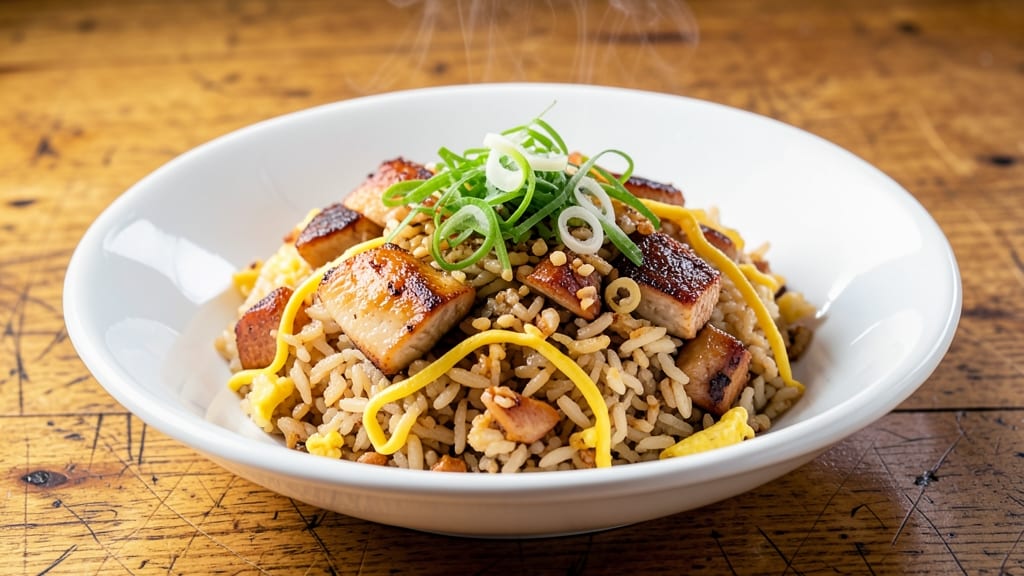
This Chinese chicken fried rice recipe delivers restaurant-style crispiness you can achieve at home with the right wok technique on YouTube. 🔥 After years of perfecting stir-fry methods in professional kitchens, I've simplified the process without sacrificing that signature smoky wok hei flavor.
The secret lies in high-heat cooking and proper ingredient prep—no takeout can compare to the fresh, aromatic results you'll get from this homemade version.
What makes this recipe truly special is the balance of textures and flavors: tender chicken, perfectly scrambled eggs, and day-old rice that absorbs all the savory seasonings.
We'll use a combination of garlic, ginger, and soy sauce to build deep umami flavor while keeping the dish light enough to eat for lunch or dinner. The key technique is stir-frying in small batches to maintain that crispy exterior while keeping the centers perfectly cooked.
By following this method, you'll achieve restaurant-quality fried rice with golden-brown chicken pieces, fluffy egg ribbons, and rice that's crisp at the edges while remaining tender inside.
The aroma alone will have everyone asking for seconds—the smoky wok hei flavor comes from proper heat control and quick cooking, which we'll cover in detail. This dish is perfect for feeding a crowd or meal prepping for the week ahead.
We'll also cover professional plating techniques to make your dish look as impressive as it tastes, including how to distribute ingredients evenly and add final garnishes like sesame seeds and green onions.
Trust me, once you try this homemade version, you'll never order takeout fried rice again—the difference in freshness and flavor is night and day.
Ingredients for chinese chicken fried rice recipe youtube
Pantry staples meet wok magic—here’s what you’ll need for crispy, restaurant-style fried rice at home.
| Ingredient | Amount | Notes |
|---|---|---|
| Day-Old Cooked White Rice 🍚 | 4 cups | Cold and slightly dry preferred |
| Boneless Chicken Breast 🍗 | 1 ½ lb | Cut into 1-inch pieces |
| Large Eggs 🥚 | 3 whole | Freshly beaten for scrambling |
| Green Onions 🧅 | ½ cup | Thinly sliced, white and green parts |
| Garlic Cloves 🧄 | 6 cloves | Minced, fresh preferred |
| Fresh Ginger 🌿 | 1 tbsp | Minced, peeled |
| Low-Sodium Soy Sauce 🥢 | ½ cup | For umami depth |
| Sesame Oil 🫒 | 1 tbsp | Toasted for aroma |
| Vegetable Oil 🫒 | ¼ cup | High smoke point |
| Toasted Sesame Seeds 🌾 | 1 tbsp | For garnish |
| Salt 🧂 | 1 tsp | Kosher or sea salt |
| Black Pepper 🌶️ | ½ tsp | Freshly ground |
| White Pepper 🌶️ | ¼ tsp | For subtle warmth |
| Oyster Sauce 🥢 | 1 tbsp | For extra umami |
The rice is non-negotiable—day-old and cold works best (the dryness helps it crisp up). Day-Rice from the Asian market is perfect, but any leftover white rice will do. Chicken should be cut into even 1-inch pieces—no big chunks. Fresh ginger and garlic are worth the extra 30 seconds to mince; frozen or jarred versions lack that bright punch. For the best flavor, grab Kikkoman soy sauce or a similar low-sodium brand—it’s the secret to that authentic taste. Sesame oil is a game-changer, but use sparingly—just a tablespoon for the whole dish.
No fresh ginger? Powdered ginger at half the amount works in a pinch. Short on oyster sauce? Extra soy sauce plus a dash of sugar mimics the depth. Eggs should be beaten until frothy but not too thin—you want ribbons, not scrambled bits. The green onions? Save the greens for garnish—they add color and freshness at the end. If you’re prepping ahead, cook the chicken and rice separately, then toss everything together when ready to serve. The wok hei flavor comes from high heat, so don’t skimp on the oil—just enough to coat the pan.
This dish reheats beautifully—just add a splash of water and stir-fry again. Keeps for 3-4 days in the fridge, or freeze portions for up to 3 months. For meal prep, divide into containers with a layer of parchment paper between servings to keep things crisp. Garnish with sesame seeds and green onions right before serving—they wilt fast, so hold off until the last minute. Double the batch if you’re feeding a crowd; it disappears quickly!
Why You'll Love This Recipe
- No Chopping Nightmare: I swear by using day-old rice—it’s already cold, so no need to dry it out. Just break up clumps with a fork while you scramble the eggs, and you’re golden.
- Garlic Butter Magic: That moment when you toss in minced garlic and let it sizzle until it’s fragrant but not burnt? Chef’s kiss. The eggs get a crispy edge, and the rice soaks up all the flavor—no takeout can compete.
- Lunchbox Legend: Between us, this is my go-to for packed lunches. Toss in a handful of peas or carrots if you’re feeling fancy, and it reheats like a dream. My kids eat it cold too—no complaints.
- Pantry Staple Power: Chicken, rice, eggs—you’ve got this. It’s the kind of meal that turns random leftovers into something delicious. Honestly, I’ve made it with whatever protein was in the fridge, and it’s always a win.
Step-by-step instructions for Chinese chicken fried rice
Here's how to recreate that perfect wok-hei crispiness at home.
🔥 Step 1: Prep the Chicken and Break Down the Rice
Start by cutting the 1.5 lb boneless chicken breast into 1-inch pieces—this size ensures even cooking and maximum flavor pickup. Pat them dry with paper towels to remove any moisture, which helps them sear beautifully later.
Spread the 4 cups day-old cooked white rice on a baking sheet and break up any clumps with your fingers. The goal is to get individual grains—this prevents gummy rice in your final dish. Let it sit uncovered for 5 minutes to dry out slightly. Real talk: this step makes all the difference for that authentic restaurant texture.
🍳 Step 2: Scramble the Eggs and Sear the Chicken
Heat 1 tablespoon vegetable oil in your wok or large skillet over medium-high heat. In a bowl, beat the 3 whole large eggs with 0.25 teaspoon white pepper until frothy. Pour the eggs into the hot wok and scramble quickly for 30 seconds until just set but still slightly runny—this creates that signature silky texture. Remove and set aside.
In the same wok, add 1 tablespoon vegetable oil and increase heat to high. Add the chicken pieces in a single layer and let them sear undisturbed for 2-3 minutes until golden brown on one side. Flip and cook another 2 minutes until fully cooked through. Remove and set aside with the eggs—don't overcrowd the pan or they'll steam instead of sear.
👨🍳 Step 3: Stir-Fry Aromatics and Combine Everything
Add the remaining 1 tablespoon vegetable oil to the wok and turn heat to medium-high. Toss in the 6 minced garlic cloves, 1 tablespoon minced fresh ginger, and 0.5 cup thinly sliced green onions. Stir-fry for 1 minute until fragrant—you should smell that pungent garlic-ginger aroma filling your kitchen.
Now add the broken-up rice, 0.5 cup low-sodium soy sauce, and 1 tablespoon oyster sauce. Stir-fry vigorously for 3-4 minutes until the rice is heated through and slightly crispy at the edges. The rice should look dry but still separate—this is where that wok-hei magic happens.
🥘 Step 4: Finish with Seasoning and Sesame Oil
Return the chicken and eggs to the wok, mixing everything together. Add the 1 teaspoon salt, 0.5 teaspoon black pepper, and 1 tablespoon toasted sesame oil. Stir-fry for another 1-2 minutes until everything is well combined and heated through. Taste and adjust seasoning—you might want to add a splash more soy sauce if it needs more umami.
Here's the thing—don't overmix after adding the sesame oil. Just give it a couple quick stirs to distribute the oil evenly. The sesame oil adds that nutty aroma and helps create that glossy finish. Remove from heat immediately to preserve the crisp texture.
🍽️ Step 5: Garnish and Serve Immediately
Transfer the fried rice to serving plates and sprinkle with the remaining 0.5 cup green onions and 1 tablespoon toasted sesame seeds. The contrast of the fresh green onions against the golden fried rice makes it look restaurant-worthy. Serve immediately while still hot and crispy—this dish doesn't wait!
Each bite should deliver that perfect balance of textures: crispy rice edges, tender chicken, silky eggs, and aromatic wok-hei. The secret to restaurant-style fried rice? High heat, quick cooking, and never letting it sit too long after cooking. You've got this!
Pro Tips For Making Chinese Chicken Fried Rice Recipe Youtube
- CRISP THE CHICKEN FIRST: Cut the chicken into bite-sized pieces, then sear them in a hot wok with a splash of soy sauce and cornstarch (1:1 mix) until fully cooked—no pink left. I used to worry about overcooking; now I know this step guarantees tender, flavorful chicken that won’t turn mushy when mixed with rice.
- USE COLD DRY RICE: Spread your day-old rice on a tray and let it sit uncovered for 10 minutes before frying. Cold, dry rice absorbs sauce better and avoids the sad, gummy texture that ruins every batch. (Yes, even if you’re impatient like me.)
- SCRAMBLE EGGS IN STAGES: Push the chicken to one side of the wok, then scramble the beaten eggs in the same pan—let them set slightly before stirring. This keeps the eggs creamy and prevents them from turning rubbery when mixed with the rice later.
- SAVE TIME WITH PRE-CHOP GREENS: Buy pre-chopped green onions and garlic (or use the frozen stir-fry mix) to skip the tedious mincing. Toss them in at the very end—just 30 seconds before serving—so they stay bright and crisp, not wilted. (Your future self will thank you.)
Regional styles of this dish
Cantonese Style
The Cantonese version is what most people think of when they hear "fried rice"—simple, balanced, and packed with wok hei. In this style, you'll find smaller rice grains (like jasmine rice) and a focus on fresh ingredients.
I like to use day-old rice because it's drier and absorbs the seasonings better. The key is to keep the chicken pieces 1-inch cubes and stir-fry them in batches to maintain that perfect sear.
Add 1 tbsp dark soy sauce at the end for that signature deep brown color that Cantonese chefs love. 🥢
Sichuan Spicy
If you love heat, the Sichuan version is a game-changer. Start by stir-frying 1 tbsp Sichuan peppercorns in the oil until fragrant—they add that signature numbing spice. Add 2 tbsp chili bean paste or 1-2 tbsp doubanjiang along with the garlic and ginger for that deep, spicy, umami kick.
I like to finish with 1 tsp chili oil drizzled on top right before serving. The Sichuan peppercorns should be toasted lightly first to release their oils—this is where the magic happens. 🌶️
Hong Kong Fusion
Hong Kong-style fried rice often includes shrimp or scallops alongside the chicken, but you can stick with just chicken if you prefer. The twist here is adding 1 tbsp hoisin sauce along with the soy sauce for a sweeter, stickier glaze.
I also like to stir-fry ½ cup diced water chestnuts with the aromatics—they add a pleasant crunch. Garnish with crispy fried shallots for an extra layer of texture that you won't find in other regional styles. 🥗
Taiwanese Egg Fried Rice
Taiwanese egg fried rice is all about the eggs—this version often skips the chicken entirely and focuses on 4-5 beaten eggs scrambled with the rice. The secret is to scramble the eggs first, then set them aside before stir-frying the rice.
When you combine everything, the eggs break up into silky ribbons throughout the dish. Add 1 tbsp light soy sauce and ½ tsp sugar to balance the flavors. I like to finish with crispy fried garlic bits for an extra aromatic punch. 🍳
Singapore-Inspired
Singapore-style fried rice often includes shrimp paste (about 1 tsp) for an extra umami depth, but if you're not comfortable with that, just add an extra ½ tbsp oyster sauce. The Singaporean version also tends to use long-grain rice that's been parboiled and dried thoroughly.
I like to add ½ cup diced bell peppers and ½ cup corn kernels for a touch of sweetness and color. Garnish with lime wedges on the side for a bright, tangy finish. 🍍
Nutrition facts
Frequently asked questions
Why does my fried rice always turn out mushy?
Mushy fried rice usually comes from using fresh rice that's too wet or not breaking up the grains properly. Always use day-old, cold rice that's been spread out and dried slightly before cooking. Break up any clumps with your fingers first—this prevents gummy texture. Also, make sure your wok is hot enough before adding the rice to create that crispy exterior.
Can I make this with fresh rice instead of day-old?
You can try, but it won't have the same texture. Fresh rice needs 10-15 extra minutes in the wok to dry out properly, and it's more likely to turn mushy. If you must use fresh rice, spread it on a tray and microwave it for 1-2 minutes first to dry it out, then proceed with the recipe. The key is getting those grains separate and slightly crispy.
How do I get that restaurant-style crispy texture?
That signature crispiness comes from three things: high heat, proper oil, and quick cooking. Use a wok or large skillet on high heat and make sure your oil is smoking before adding ingredients. Cook in small batches if needed, and stir-fry vigorously for 3-4 minutes until the rice is crispy at the edges. The sesame oil at the end adds that glossy finish too.
What's the best way to store leftovers?
Store fried rice in an airtight container in the fridge for 3-4 days. To reheat, add a splash of water and stir-fry again for 2-3 minutes on high heat to restore crispiness. For freezing, divide portions with parchment paper between layers—they'll stay crispy for up to 3 months. Just avoid reheating in the microwave as it makes the rice soggy.
Can I substitute chicken with another protein?
Shrimp, scallops, or even leftover roasted chicken work beautifully. For tofu lovers, use extra-firm tofu pressed and cubed, then pan-fry until crispy before adding to the rice. Just adjust cooking times—seafood cooks in 1-2 minutes while tofu needs 3-4 minutes per side. The key is getting your protein fully cooked before combining with the rice.