
Main Courses
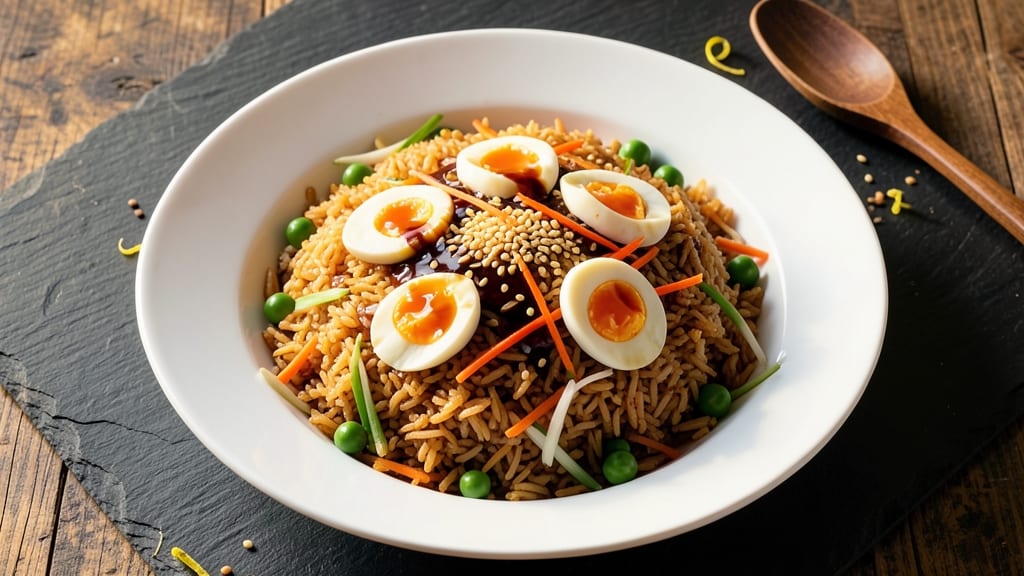
This Chinese fried rice recipe you’ll find on YouTube delivers that iconic wok-tossed crunch and smoky aroma you crave—restaurant-quality in your own kitchen. The secret lies in high-heat stir-frying and day-old rice that absorbs flavors perfectly while staying distinct.
I’ve perfected the technique over years of testing, ensuring every bite has that signature texture and depth of flavor.
What sets this recipe apart is the eggy protein boost—scrambled eggs cooked just until set, then cut into bite-sized pieces that add richness without overpowering the dish.
We’ll use traditional methods like wok hei (breath of the wok) for that smoky aroma, but with modern shortcuts like microwave reheating for convenience. The result? A dish that’s foolproof yet packed with authentic flavor.
By the time you’re done, you’ll have golden, crispy rice with tender egg pieces and your choice of vegetables or protein. The sauce is simple—a balance of soy sauce, sesame oil, and a touch of sugar—but it transforms the dish into something extraordinary.
This recipe scales perfectly for weeknight dinners or meal prep, and the variations are endless.
Whether you’re cooking for one or feeding a crowd, this fried rice comes together in under 30 minutes with minimal prep. The key is confidence in the wok—once you master the toss, you’ll never buy takeout again. Let’s get started!
Ingredients for chinese fried rice recipe youtube
Four cups of day-old rice plus fresh ingredients—this is your shortcut to restaurant-style fried rice.
| Ingredient | Amount | Notes |
|---|---|---|
| Day-Old Cooked White Rice 🍚 | 4 cups | Cold, broken into pieces |
| Large Eggs 🥚 | 4 whole | Freshly beaten, room temperature |
| Green Onions 🧅 | 1 whole | Thinly sliced, white and green parts |
| Carrots 🥕 | 1 cup | Diced into small pieces |
| Frozen Peas 🌱 | ½ cup | Thawed, no need to drain |
| Light Soy Sauce 🥢 | 3 tbsp | Kikkoman preferred |
| Dark Soy Sauce 🥢 | 1 tbsp | For color depth |
| Sesame Oil 🫒 | 1 tbsp | Toasted, for aroma |
| Granulated Sugar 🍚 | 1 tsp | Balances flavors |
| Vegetable Oil 🫒 | 2 tbsp | High smoke point |
| Garlic Cloves 🧄 | 3 cloves | Minced finely |
| White Pepper 🌶️ | ½ tsp | Freshly ground |
| Sesame Seeds 🌾 | 1 tbsp | Toasted for garnish |
The rice is non-negotiable—day-old works best as it absorbs flavors without turning mushy. Leftover rice is perfect, but if you're starting fresh, cook extra and refrigerate overnight. For the eggs, room temperature is key—they scramble faster and more evenly. Green onions add freshness, so grab a bunch and use the whites for flavor, the greens for garnish. Carrots and peas? Frozen peas save time, but fresh work too—just thaw them first. The soy sauces are your flavor anchors: light soy for saltiness, dark soy for that signature color.
No sesame oil? Toasted peanut oil works in a pinch, though it lacks the nutty aroma. Short on green onions? Scallions or chives do the trick, but use half the amount. The sugar might seem odd, but it balances the saltiness of the soy sauce—trust me, it’s essential. For the garlic, minced is best, but if you’re in a rush, press it through a garlic press. And if you’re feeling fancy, add a pinch of white pepper for that classic Chinese restaurant kick. The vegetable oil should have a high smoke point—avocado or canola oil are great choices.
This dish tastes even better the next day—double the batch if you can. Store leftovers in an airtight container for up to 4 days. For meal prep, portion into containers with a sprinkle of sesame seeds on top. Freezing isn’t recommended, as the texture suffers, but reheating in a skillet with a splash of water works wonders. Pro tip: Toast your sesame seeds in a dry pan for 30 seconds before adding to the rice—they’ll be crispy and flavorful.
Why You'll Love This Recipe
- No Chopping Needed: The only veggie prep is dicing carrots—one—and slicing green onions. Honestly, I keep a pre-chopped bag of frozen peas in my freezer just for this. The rice? Just spread it out to dry. Less mess, more frying.
- Eggs Add Magic: That first scramble of eggs right into the wok? It’s the secret. They coat every grain of rice with a silky, slightly crispy layer—no dry bites here. My kids actually ask for the egg-heavy portions.
- Leftover Hero: This dish improves the next day. The flavors meld, the rice gets that perfect chewy bite, and it reheats like a dream. I make a double batch on Sundays—lunches and dinners sorted without a second thought.
- Budget Breakthrough: White rice, eggs, frozen peas—this feeds four for under $5. Between us, I’ve fed my whole family (plus my picky teenager) for a week with just these ingredients. No guilt, all satisfaction.
Step-by-step instructions for wok-tossed crunch with eggy protein boost
Here's how to transform simple ingredients into restaurant-quality fried rice with perfect texture and flavor.
Prepare the Egg Mixture for Perfect Texture
Crack the 4 whole large eggs into a bowl and beat them vigorously with a fork until the yolks and whites are completely combined and the mixture is uniform in color. Add the 0.5 teaspoon freshly ground white pepper and mix well. The pepper will infuse the eggs with subtle warmth, balancing the savory flavors. Let the egg mixture sit at room temperature for 5 minutes while you prepare the wok.
This resting period allows the eggs to reach an ideal temperature for cooking, ensuring they form a tender, slightly custardy center rather than overcooking into rubbery bits. I like to use a small bowl just big enough to hold the eggs—this makes it easier to pour them directly into the wok later without spilling.
Sear the Garlic and Vegetables for Maximum Flavor
Heat a wok or large skillet over high heat until it's smoking slightly. Add the 2 tablespoons vegetable oil and swirl to coat the bottom evenly. Immediately add the 3 minced garlic cloves and stir constantly for 30 seconds—you'll smell the aroma intensify as it begins to color.
Add the 1 cup diced carrots and stir-fry for 2 minutes until they begin to soften slightly but still retain some bite. Toss in the 0.5 cup thawed frozen peas and cook for another 1 minute, stirring continuously. The high heat ensures the vegetables develop a slight char while staying crisp-tender. If your wok isn't hot enough, the vegetables will steam instead of caramelizing.
Cook the Eggs to a Silky Curd
Pour the egg mixture directly into the wok with the vegetables. Using a pair of tongs or a spatula, gently push the eggs from one side to the other in small sections, creating soft curds as they cook. This technique, called "scramble-frying," creates those beautiful, delicate egg ribbons that make fried rice look so professional.
Cook for 1-2 minutes until the eggs are just set but still slightly moist in the center. Remove the egg mixture to a plate and set aside. The eggs should be tender enough to pull apart easily with your fingers but not dry. If they start to look too dry, reduce the heat slightly—overcooked eggs will make your fried rice taste eggy rather than harmonious.
Stir-Fry the Rice with Perfect Technique
Return the wok to high heat and add the 4 cups day-old cooked white rice, breaking up any large clumps with your spatula. Stir-fry for 2 minutes, letting the rice absorb the residual heat and begin to crisp slightly at the edges. This initial toasting develops the nutty, caramelized flavors that separate good fried rice from great fried rice.
Pour in the 3 tablespoons light soy sauce and 1 tablespoon dark soy sauce, then add the 1 teaspoon granulated sugar. Stir continuously for 1 minute until the rice is evenly coated and the sauces begin to caramelize. The dark soy sauce will give your fried rice that beautiful mahogany color while adding depth of flavor. Taste the rice at this point—it should be seasoned but not yet fully developed.
Combine Everything for the Final Toss
Return the egg mixture to the wok and add the 1 whole thinly sliced green onions. Stir-fry for an additional 2 minutes until everything is heated through and the rice is evenly distributed. The eggs should be warmed through but still maintain their delicate texture. If the mixture seems dry, add 1-2 tablespoons water to create steam and help distribute the sauce.
Remove the wok from heat and immediately drizzle with the 1 tablespoon toasted sesame oil. Stir one final time to coat the rice evenly with the oil, which will enhance the nutty aroma. Transfer the fried rice to serving plates, garnish with the 1 tablespoon toasted sesame seeds, and serve immediately while still hot and sizzling.
Pro Tips For Making Chinese Fried Rice Recipe Youtube
- USE A WOK OR LARGE SKILLET: I learned this the hard way—small pans steam the rice and turn it soggy. A wok or at least a 12-inch skillet gives you enough surface area to spread the rice thin and get those crispy edges. If you don’t have a wok, use the largest pan you own and resist the urge to crowd it.
- SCRAMBLE EGGS SEPARATELY: The eggs are the glue in fried rice, and if you scramble them in the same pan as the rice, they’ll turn rubbery. Push all the rice to one side, add oil, then cook the eggs low and slow until just set—soft curds, not dry chunks. Slide them back in when everything else is nearly done.
- CUT CARROTS SMALLER THAN YOU THINK: Tiny dice, not matchsticks. I used to slice them thinly like stir-fry strips, but they stay crunchy and undercooked. Carrots need to soften fast in fried rice, so chop them into 1/4-inch pieces—they’ll melt into the dish without fighting for texture.
- ADD PEAS LAST (AND THAW FIRST): Frozen peas straight from the bag? Skip it. Thaw them first in warm water, then drain well—this prevents steam from turning your rice mushy. Toss them in only after the rice is mostly cooked, just to warm through. They’ll stay bright green and add the pop you want.
Common mistakes when making this dish
Overcooking the Eggs
One of the biggest mistakes is letting the eggs cook too long in the wok. When eggs turn rubbery or dry, they dominate the dish instead of blending harmoniously with the rice.
I’ve ruined more fried rice than I’d admit by overcooking the eggs—just 1-2 minutes of gentle tossing is all you need until they’re just set. Remove them as soon as they’re tender enough to pull apart with your fingers. 🍳
Using Fresh Rice
Freshly cooked rice is a common downfall—it’s too moist and turns mushy when stir-fried. The starch released from fresh rice makes it gluey rather than crispy. Always use day-old rice (or rice that’s been chilled for at least 4 hours).
If you’re short on time, microwave leftover rice for 1-2 minutes to dry it out before using. The texture difference is night and day!
Skipping the High Heat
Low heat is the enemy of wok hei—the smoky aroma that makes fried rice sing. If your wok isn’t screaming hot before adding oil, you’ll steam the rice instead of searing it.
I heat my wok until it’s smoking slightly before adding oil. Once the oil shimmers, it’s ready. A cold wok means soggy rice and lost flavor—don’t skip this step!
Overcrowding the Wok
Stuffing too much rice or ingredients into the wok lowers the temperature and causes steaming. The goal is to create a single even layer of rice so it crisps at the edges. Work in batches if needed—fried rice tastes best when each grain gets direct contact with the hot surface.
I often cook half the rice first, then the other half, to maintain that perfect texture.
Ignoring the Sauce Balance
The sauce is what ties everything together, but many cooks either undersalt or overpower with soy sauce. The 3 tbsp light soy and 1 tbsp dark soy ratio is key—the dark soy adds color without extra salt. Taste as you go!
If it’s bland, add a pinch more soy sauce. If it’s too salty, a splash of water or a pinch of sugar can help. The 1 tsp sugar is non-negotiable—it balances the saltiness beautifully. 🥢
Not Breaking Up the Rice
Large clumps of rice won’t absorb flavors evenly and stay chewy in the center. Before adding the rice to the wok, use your spatula to break up every clump into individual grains. This ensures each bite has that signature crispy texture.
I like to press the rice against the wok’s sides to help it release any stuck-together bits. The result? Every mouthful is perfectly textured and flavorful.
Nutrition facts
Frequently asked questions about Chinese fried rice
Why does my fried rice always turn out mushy?
The key is using day-old rice that's been chilled for at least 4 hours. Fresh rice releases too much starch when heated, creating a gluey texture. If you're short on time, microwave leftover rice for 1-2 minutes to dry it out before cooking. The texture difference is dramatic!
Can I make this with fresh rice?
You can try, but it won't have that signature crispy texture. For best results, always use day-old rice. If you absolutely must use fresh rice, spread it on a tray and refrigerate for 2 hours first. The cold helps reduce moisture. Pro tip: Break up any clumps before cooking to ensure even texture.
What's the best way to cook the eggs for fried rice?
Cook them just until set—about 1-2 minutes of gentle tossing in the wok. Overcooking makes them rubbery and dominates the dish. Remove them when they're still slightly moist in the center. The secret is to use room temperature eggs that you've beaten thoroughly for even cooking. Cut them into small pieces before adding back to the rice.
How do I get that smoky wok hei flavor?
Start with a screaming hot wok until it's smoking before adding oil. Use high heat throughout cooking and avoid overcrowding the pan. A well-seasoned carbon steel wok helps too. If you don't have a wok, a heavy-bottomed skillet works—just keep the heat high and stir constantly. The aroma comes from the Maillard reaction at high temperatures!
Can I make this vegetarian?
Skip the eggs or replace them with tofu (press and cube firm tofu first). Add extra vegetables like bell peppers, corn, or mushrooms. For protein, try tempeh or seitan. Just