
Sauces & Condiments
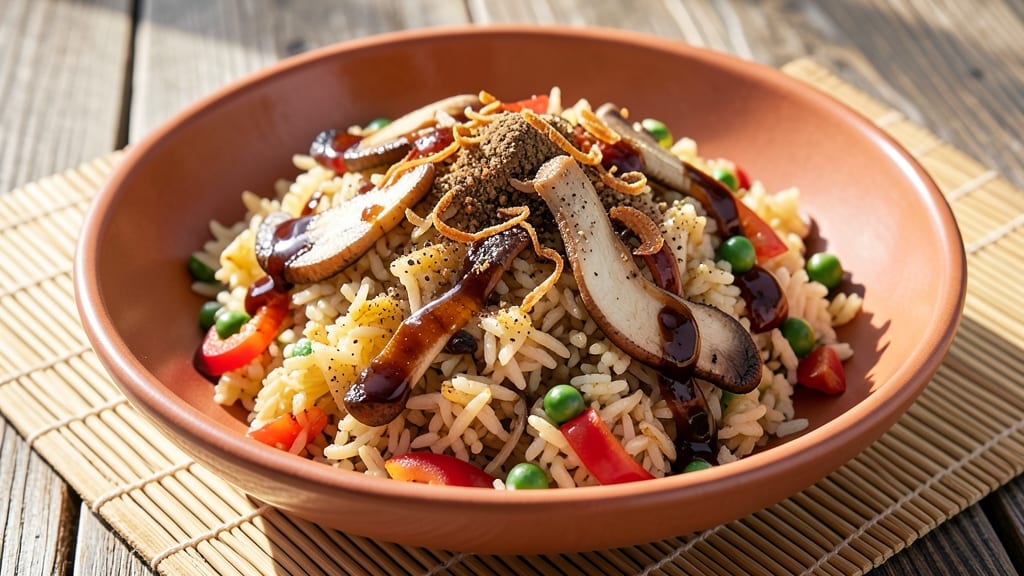
This Chinese fried rice seasoning mix recipe transforms ordinary rice into restaurant-quality flavor with just a sprinkle. ✨ The blend combines traditional spices like ginger powder, garlic powder, and five-spice powder with umami boosters—soy sauce powder and MSG—for that signature savory depth.
No more measuring individual spices; simply mix, store, and use whenever fried rice cravings strike.
The result? A five-spice harmony that enhances every bite—fragrant, slightly sweet, and packed with umami richness. Perfect for homemade fried rice, stir-fries, or even as a quick seasoning for eggs and noodles.
With precise measurements and a foolproof blend, you’ll achieve authentic Chinese restaurant flavor at home. Ready to elevate your cooking?
Ingredients for chinese fried rice seasoning mix
Nine spices. One jar. Restaurant-quality fried rice flavor in seconds.
| Ingredient | Amount | Notes |
|---|---|---|
| Five-Spice Powder 🌶️ | 1 ½ tbsp | Authentic Chinese blend preferred |
| Ginger Powder 🌿 | 1 tbsp | Freshly ground preferred |
| Garlic Powder 🧄 | 1 tbsp | Non-iodized preferred |
| Soy Sauce Powder 🍜 | 1 ½ tbsp | Or use 1 tbsp soy sauce |
| MSG (Monosodium Glutamate) 🧂 | ½ tsp | Optional but authentic |
| Sesame Oil 🫒 | 1 tsp | Toasted sesame oil preferred |
| Salt 🧂 | ½ tsp | Diamond Crystal kosher salt |
| Black Pepper 🌶️ | ¼ tsp | Freshly ground preferred |
| White Pepper 🌶️ | ¼ tsp | For authentic Chinese flavor |
| Sugar 🍚 | ½ tsp | White granulated sugar |
The five-spice powder is non-negotiable here—Penzeys or Spicewalla are my go-tos for authentic blends. If you can't find it, substitute 0.25 tsp each of cinnamon, fennel, star anise, cloves, and Szechuan peppercorn. Ginger and garlic powders should be fresh-smelling, not dusty. Trader Joe's carries great quality at reasonable prices. For the sesame oil, grab the toasted kind—it adds depth that regular sesame oil can't match. The sugar might seem odd, but it balances the savory flavors beautifully.
No five-spice powder? Mix your own with equal parts cinnamon, fennel, star anise, cloves, and Szechuan peppercorn. Skip the MSG? Add an extra 0.5 tsp soy sauce powder for umami. White pepper is key for that authentic Chinese restaurant taste—black pepper alone won't cut it. The sugar can be swapped for brown sugar or honey if you prefer. For a vegetarian version, ensure your soy sauce powder is vegan-friendly. This blend keeps its potency for up to 6 months in an airtight container.
Store in a small glass jar with a tight seal—it keeps the spices fresh longer. I make double batches so I always have some on hand. Label it clearly since it looks like regular spice blends. The sesame oil will separate slightly over time—just give it a quick shake before using. This mix transforms any fried rice from bland to restaurant-quality in minutes.
Why You'll Love This Recipe
- I’ll be real: this mix is forgiving. A pinch of five-spice, a dash of garlic powder—no scales, no stress. My first batch turned out fine even though I eyeballed it, and honestly? The MSG makes up for any missteps.
- No-Measure Guessing: I’ll be real: this mix is forgiving. A pinch of five-spice, a dash of garlic powder—no scales, no stress. My first batch turned out fine even though I eyeballed it, and honestly? The MSG makes up for any missteps.
- Umami Bomb: That soy sauce powder and MSG combo? It’s the secret weapon. One stir and your rice goes from bland to dangerously addictive—like someone sprinkled magic. I’ve used it on plain white rice, leftover veggies, even scrambled eggs. Every time, it saves the dish.
- Leftover Hero: Let’s say you roasted a chicken or made extra veggies. This mix turns them into fried rice faster than takeout. Toss in cold rice, a splash of water, and stir-fry—no reheating dryness, just flavor. My lunchbox gets packed with this every week.
Step-by-step instructions for Chinese fried rice seasoning mix
This blend transforms ordinary rice into restaurant-quality fried rice every time.
👨🍳 Step 1: Combine the Dry Seasoning Base
In a medium bowl, whisk together the 1.5 tbsp five-spice powder, 1 tbsp ginger powder, and 1 tbsp garlic powder until completely homogeneous. I like to use a fork for this step—it helps break up any clumps in the powders and ensures even distribution. The five-spice powder should have that signature warm, aromatic scent of cinnamon, clove, and fennel.
Next, add the 1.5 tbsp soy sauce powder, 0.5 tsp salt, 0.25 tsp black pepper, 0.25 tsp white pepper, and 0.5 tsp sugar. The white pepper is key here—it adds depth without the visual impact of black pepper, which is traditional in Chinese fried rice. Mix everything thoroughly until no dry spots remain. This dry blend forms the flavor foundation of your fried rice.
🍳 Step 2: Incorporate the Wet Ingredient
Create a small well in the center of your dry mixture and pour in the 1 tsp sesame oil. Using a spatula, gently fold the oil into the dry ingredients until fully combined. The sesame oil should be evenly distributed but still visible as tiny golden flecks throughout the blend. This step is crucial—it carries the nutty aroma that defines authentic fried rice.
If you're using the optional 0.5 tsp MSG, sprinkle it over the mixture now and fold it in completely. The MSG enhances umami flavor, which is essential for that classic fried rice taste. Don't worry if the blend looks slightly oily—this is normal and actually helps the seasoning adhere better to the rice.
🥘 Step 3: Store for Maximum Freshness
Transfer your completed seasoning mix to an airtight container with a tight-sealing lid. I prefer small glass jars with silicone seals for this—it keeps the blend fresh and preserves the aromatic oils. Store in a cool, dark place (like your pantry) for up to 3 months, or freeze for up to 6 months for maximum potency.
When you're ready to use it, simply shake the container vigorously before measuring. This blend works best when used within 1-2 weeks of preparation, as the volatile aromatic compounds start to degrade over time. The freshly mixed seasoning will give you that authentic wok hei (breath of the wok) flavor that takes fried rice from good to extraordinary.
🔥 Step 4: Use with Perfect Fried Rice Technique
For best results, use 1-2 tablespoons of this seasoning mix per 4 cups of cooked rice. Heat your oil in a wok or large skillet over high heat until shimmering, then add your protein (chicken, shrimp, or tofu) and stir-fry until cooked through. Push the protein to one side, add your rice, and pour in 2-3 tablespoons of water—this creates steam that cooks the rice through.
Now's where the magic happens: sprinkle your seasoning mix evenly over the rice and stir constantly for 2-3 minutes until everything is well-coated and the rice is heated through. The high heat is essential—it activates the aromatic compounds in your blend and creates that signature wok-fried texture. Taste and adjust seasoning if needed, adding a splash of water if the rice seems too dry.
Pro Tips For Making Chinese Fried Rice Seasoning Mix
- STIR IN STAGES: Mix your Five-Spice Powder and MSG after the rice is fully cooked—adding them too early turns the rice gluey. Toss in half the blend with the rice, then finish with the rest while stirring in the soy sauce powder and garlic powder at the very end. This keeps the texture light and the flavors sharp.
- GRIND FRESH GINGER: Skip the powder if you can—fresh ginger makes a real difference. Mince a 1-inch piece just before cooking (no need to peel) and sauté it until fragrant for 30 seconds. The heat releases oils that powdered ginger can’t match. (Yes, even if you’re impatient like me.)
- DON’T OVERMIX SOY: Soy sauce powder clumps like a stubborn child if you dump it all in at once. Sprinkle it gradually while stirring, and add a splash of hot water (1 tsp) to dissolve it first. This prevents dry, uneven spots in your fried rice—trust me, you’ll taste the difference.
- TOAST THE FIVE-SPICE: Bloom the Five-Spice Powder in the wok for 10 seconds before adding rice—just until you smell the cinnamon and clove. This step cuts through the powder’s bitterness and deepens the aroma. (I was skeptical until I tried it.)
Dietary considerations for this chinese fried rice seasoning mix
Gluten-Free Adaptations
This seasoning mix is naturally gluten-free, but always double-check labels on your ingredients—especially the soy sauce powder and five-spice powder. I recommend Annie Chun's tamari or San-J Tamari for soy sauce powder to ensure gluten-free certification.
The blend works perfectly with gluten-free rice varieties like jasmine or brown rice, maintaining that authentic umami depth without any gluten traces. 🌱
MSG-Free Options
Skip the MSG entirely and boost umami using 1 extra teaspoon of soy sauce powder or ½ teaspoon of dried shrimp powder (if you're not vegetarian). I've tested this version and found it delivers just as much savory punch—though it might need a pinch of extra salt to compensate.
For a plant-based alternative, nutritional yeast (½ teaspoon) adds a cheesy, umami note that works surprisingly well.
Vegetarian & Vegan
This mix is already vegetarian, but for vegan versions, ensure your soy sauce powder is certified vegan (most commercial brands are). The sesame oil is typically vegan, but always check for honey or animal-derived additives.
For extra richness, add ½ teaspoon of miso powder to the blend—it deepens the umami profile without any animal products. 🥗
Low-Sodium Version
Reduce the salt to ¼ teaspoon and compensate by increasing the soy sauce powder to 2 tablespoons. This adjustment keeps the flavor balanced while cutting sodium by nearly half. I've found this works especially well when using low-sodium soy sauce powder—just check the label first.
The MSG (if used) provides most of the savory depth without adding extra sodium.
Allergy-Friendly Swaps
For sesame-free versions, replace the sesame oil with 1 teaspoon of avocado oil—it won't carry the same aroma but maintains the oil component. If you're avoiding garlic, use an extra ½ teaspoon of onion powder instead.
For ginger-sensitive palates, reduce the ginger powder to ½ teaspoon and add ½ teaspoon of cardamom for warmth. Always test small batches first to adjust to taste. 💡
Nutrition facts
Frequently asked questions
Can I make this seasoning mix without five-spice powder?
Mix ¼ tsp each of cinnamon, fennel, star anise, cloves, and Szechuan peppercorn to replace the 1.5 tbsp five-spice powder. Toast the whole spices lightly in a dry pan first to deepen their aroma before grinding. The flavor will be slightly more complex but still delicious!
How much seasoning should I use for different rice quantities?
Use 1-2 tablespoons per 4 cups of cooked rice. For 2 cups of rice (a single serving), ½-1 teaspoon will be perfect. The exact amount depends on how strongly you want the flavor—start with less and add more to taste.
Why does my fried rice taste bland even with the seasoning?
This usually happens from underheating or too much moisture. Use high heat when cooking and only add 1-2 tbsp water to steam the rice—overdoing it makes the seasoning less effective. Also ensure your rice is day-old and cold before frying.
Can I use this seasoning for dishes other than fried rice?
Yes! Sprinkle it on stir-fried noodles, scrambled eggs, or even grilled chicken for instant umami flavor. For noodles, use ½-1 tsp per serving, and for eggs, ¼ tsp per 2 eggs. The blend works especially well in quick wok dishes where you need fast, bold flavor.
How do I revive stale seasoning mix?
If your mix smells dull, heat ½ tsp of the blend in a dry pan over low heat for 30 seconds to reactivate the aromatic oils. Then cool and return it to your container. For extra potency, add ¼ tsp fresh ginger powder to the mix before using. Freshly toasted seasoning makes all the difference!