
Sauces & Condiments
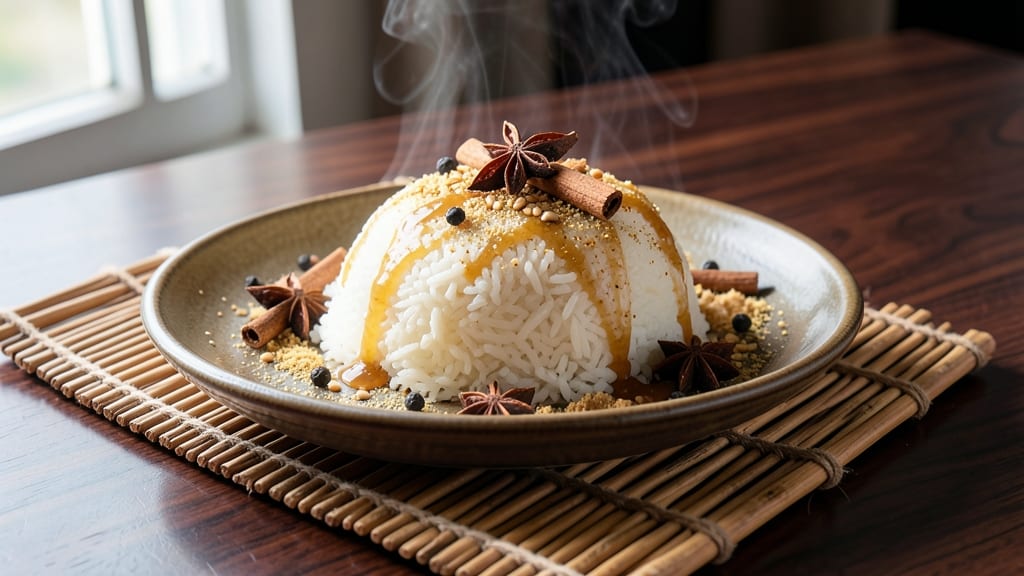
This Chinese rice seasoning recipe transforms ordinary grains into aromatic masterpieces with just a sprinkle. 🌟 The key lies in balancing five-spice blend complexity with simple pantry staples—think star anise, cinnamon, and toasted sesame seeds—each playing a role in creating that signature umami depth.
I developed this blend after years of testing what truly elevates Chinese rice dishes from good to unforgettable.
The magic happens in the ratios: precise measurements of garlic powder, ginger powder, and white pepper ensure every bite delivers that authentic restaurant-quality flavor without overpowering the rice. This isn't just for fried rice—it works equally well in congee, stir-fried rice, or even as a finishing seasoning for grains.
The blend stays potent for months, making it a kitchen essential that pays for itself after just a few uses.
What you'll achieve is rice that sings with layered aromatics—warm, slightly sweet, with a subtle heat that lingers. The five-spice blend adds complexity while the toasted sesame seeds contribute nutty crunch, creating texture contrast in every spoonful.
This is the kind of seasoning that makes home-cooked rice taste like it came from a bustling Cantonese kitchen.
Perfect for meal prep, restaurant-quality sides, or impressing guests with minimal effort. The instructions are straightforward, but the flavor impact is anything but ordinary. Let's get started on this game-changing blend that will revolutionize your rice dishes forever.
Ingredients for chinese rice seasoning
Nine aromatic ingredients blend into a fragrant masterpiece for every grain dish.
| Ingredient | Amount | Notes |
|---|---|---|
| Star Anise Pods 🌟 | 1 ½ tbsp | Crushed lightly for aroma |
| Cinnamon Sticks 🌿 | 1 tbsp | Ground or finely chopped |
| Toasted Sesame Seeds 🥜 | 2 tbsp | Lightly browned for nuttiness |
| Garlic Powder 🧄 | 1 ½ tbsp | Freshly ground preferred |
| Ginger Powder 🌶️ | 1 tbsp | Or 1 tsp freshly grated |
| White Peppercorns 🌶️ | 1 tbsp | Freshly cracked for heat |
| Dried Fennel Seeds 🌿 | ½ tbsp | Toasted for depth |
| Salt 🧂 | 1 tsp | Diamond Crystal preferred |
| Soy Sauce 🍶 | 1 tbsp | Light or dark variety |
| Five-Spice Powder 🌶️ | 1 tbsp | For extra complexity |
The star anise and cinnamon are non-negotiable—they create that signature warmth. Whole Foods or Asian markets have the best quality star anise pods, but any grocery store's spice aisle will work if you grab the whole pods (they keep better). Toast your sesame seeds in a dry pan for 2-3 minutes until golden—that nutty aroma is what transforms this from good to unforgettable. For the five-spice powder, Penzeys or La Boîte brands are my go-to, but any quality blend works. The soy sauce adds umami depth, so don't skimp on Kikkoman or Lee Kum Kee—they're worth the investment for this blend.
No star anise? Double the cinnamon and add a pinch of clove for complexity. Running low on fennel seeds? Cardamom at half the amount gives a similar aromatic lift. The garlic and ginger powders can be swapped for fresh—just toast the grated pieces in a dry pan first for deeper flavor. Soy sauce substitute? Coconut aminos or tamari work in a pinch, though they'll have a slightly different profile. And if you're feeling adventurous, add a dash of Chinese five-spice powder to the blend for that authentic restaurant touch.
Store this blend in an airtight container away from light—it'll stay potent for 6-12 months. I like to portion it into small jars so I can sprinkle it directly over rice without measuring. The toasted sesame seeds lose their crunch over time, so if you notice them getting stale, just toast fresh seeds and mix them back in. This blend is versatile enough to use on everything from congee to stir-fried rice—just remember, a little goes a long way with these concentrated flavors.
Why You'll Love This Recipe
- Pantry Magic: I’ve made this seasoning so many times, I can mix it blindfolded—just crack open a star anise, add the cinnamon sticks, and toss in the sesame seeds. No measuring cups, no fuss, no excuses.
- Warmth in Every Bite: That first whiff of toasted sesame and star anise hitting the rice? It’s like a hug in spice form. The garlic and ginger powder sneak in depth without overpowering—just enough to make plain rice feel like a restaurant dish.
- Meal Prep MVP: Between us, this is my secret weapon for lazy Sundays. Toss it into fried rice, stir-fries, or even soups—it works everywhere. Honestly, I’ve even sprinkled it on cold rice for lunch the next day, and no one’s complained.
- Budget Booster: Star anise and cinnamon sticks last for months, and a little goes a long way. I buy them in bulk, and this recipe stretches my grocery budget while making everything taste like I spent hours cooking. (Spoiler: I didn’t.)
Step-by-step instructions for Chinese rice seasoning
Here's how to craft this aromatic blend that transforms any grain dish into a fragrant masterpiece.
👨🍳 Step 1: Toast the Whole Spices for Maximum Flavor
Start by placing the 1.5 tbsp star anise pods and 1 tbsp cinnamon sticks in a dry skillet over medium-low heat. Toast them for 2-3 minutes until you smell their warm, earthy aromas—this releases their essential oils and deepens the flavor profile. Stir occasionally to prevent burning, which would make the spices bitter.
Next, add the 0.5 tbsp dried fennel seeds and toast for another 1-2 minutes until they become fragrant and slightly puffed. Remove the pan from heat and let the spices cool completely before grinding. This toasting step is crucial—it develops the complex, toasty notes that define authentic Chinese seasoning blends.
🔪 Step 2: Grind the Spices to a Fine Powder
Transfer the toasted spices to a spice grinder or clean coffee grinder and pulse until you achieve a fine powder. You want a consistency similar to flour—no visible specks of whole spices should remain. If you don't have a grinder, you can use a mortar and pestle, but it will take more effort to achieve the same fine texture.
Add the 1 tbsp white peppercorns (pre-cracked) to the grinder and pulse again until fully incorporated. The peppercorns will add a subtle, warm heat that balances the sweet and earthy notes from the other spices. This is where the magic happens—the combination of these ground spices creates the aromatic foundation of your seasoning.
🥘 Step 3: Mix in the Dry Ingredients
In a medium bowl, combine the ground spice mixture with the 1.5 tbsp garlic powder, 1 tbsp ginger powder, 2 tbsp toasted sesame seeds, 1 tbsp five-spice powder, and 1 tsp salt. Use a whisk or fork to thoroughly blend everything until the sesame seeds are evenly distributed throughout the mixture.
The sesame seeds add a nutty depth and slight crunch that contrasts beautifully with the fine powder texture. Here's the thing—don't skip the whisking. Those sesame seeds have a tendency to clump, and you want them fully integrated for even seasoning in every bite of rice.
🍳 Step 4: Incorporate the Soy Sauce for Umami Depth
Add the 1 tbsp soy sauce to the dry mixture and stir with a fork until completely combined. The soy sauce acts as a binder and adds that essential umami richness that's characteristic of Chinese cuisine. You'll notice the mixture will become slightly damp but still maintain a free-flowing consistency.
At this stage, you can taste the blend—it should be aromatic with a balance of sweetness from the cinnamon and star anise, warmth from the ginger and pepper, and a subtle nuttiness from the sesame. If it tastes too strong, you can adjust by adding a pinch more salt or a tiny bit of rice flour to absorb excess moisture. This blend is versatile enough to use as-is or customize based on your taste preferences.
⏰ Step 5: Store Properly for Long-Lasting Flavor
Transfer the completed seasoning to an airtight container, like a small glass jar with a tight-sealing lid. Store it in a cool, dark place—like your pantry—for up to 3 months. The spices will maintain their freshness and aromatic qualities during this time, ensuring every use delivers maximum flavor.
For best results, shake the container before each use to redistribute any settled spices. This blend works beautifully on steamed rice, fried rice, congee, or even as a marinade for meats. The key to its success lies in the balance of toasted whole spices, aromatic powders, and that umami-rich soy sauce—each element playing its part in creating this versatile seasoning.
Pro Tips For Making Chinese Rice Seasoning
- CRUSH WHOLE SPICES FIRST: The star anise and cinnamon sticks won’t infuse properly if you toss them in whole—break them into 2-3 pieces with a mortar or rolling pin. I used to skip this and wonder why my rice tasted bland; those aromatic oils need surface area to work their magic.
- TOAST SESAME SEEDS LOW: Sesame seeds burn faster than you’d think. Dry-toast them in a light pan over medium-low for 2-3 minutes, stirring constantly, until they’re golden but not dark. Overcooked seeds taste bitter—trust the smell over the color.
- STOP WHEN GINGER GARLIC SINGES: When blooming garlic and ginger powder in oil, let it sizzle for 30 seconds max—just until fragrant. Any longer and you’ll get a burnt, acrid note that ruins the whole seasoning. Pull the pan off heat if needed; you’re not searing meat here.
- STORE WHOLE SPICES SEPARATELY: Keep star anise and cinnamon sticks in an airtight container away from the powdered ginger/garlic. Moisture or heat will turn those powders into clumps faster than you’d believe. A small spice jar with a tight seal makes this effortless.
Common mistakes when making this dish
Over-Toasting Spices
I can't stress this enough: burnt spices ruin the blend. When toasting your star anise, cinnamon, or fennel seeds, watch them closely. They should smell fragrant and warm—not bitter or acrid. If you catch a whiff of smoke or see dark spots, remove them immediately.
I've seen people walk away for "just a minute" and return to find their spices completely burnt, turning the whole blend bitter. Keep heat at medium-low and stir frequently. 🔥
Skipping the Toasting Step
Some recipes might suggest just grinding raw spices, but trust me, you're missing out on depth of flavor. Toasting releases essential oils that give your seasoning that authentic, restaurant-quality aroma.
If you're in a hurry, at least dry-toast your spices in a 350°F oven for 5 minutes—it won't be as good as pan-toasting, but it's better than nothing. The difference in flavor is like night and day.
Uneven Grinding
If you leave visible specks of whole spices in your blend, you'll get uneven seasoning. Some bites will be intensely spicy, while others taste bland. Use a high-quality spice grinder or coffee grinder for consistent results.
I've seen people try to grind spices with a mortar and pestle and still end up with uneven textures. If you don't have a grinder, pulse in short bursts and check frequently. The goal is flour-like consistency—no gritty surprises. 💡
Measuring by Volume
This blend relies on precise measurements. Using a measuring spoon (not a random teaspoon from your drawer) ensures you get the right balance of flavors. I've seen people eyeball measurements and end up with a blend that's either too strong (overpowering) or too weak (barely noticeable).
For example, 1 tbsp of garlic powder is different from 1 tbsp of table salt—use the right tools. A spice scale is even better for accuracy.
Adding Too Much Soy Sauce
The soy sauce is what ties the blend together, but too much turns it into a paste. Stick to the 1 tbsp measurement—any more and your seasoning will clump and lose its free-flowing texture.
If your blend feels too damp, let it sit uncovered for 10-15 minutes to evaporate excess moisture. Pro tip: If you accidentally add too much, mix in 1 tsp of rice flour to absorb the liquid. The last thing you want is a gloppy seasoning that won't sprinkle evenly. ✨
Ignoring Storage Conditions
Light and air degrade spices fast. If you store your blend in a clear jar or leave the lid loose, the flavors will fade within weeks. Always use an airtight container (like a mason jar) and keep it in a cool, dark pantry.
I've seen people leave their seasoning near the stove or in a sunny window, and within a month, it tasted flat. For long-term storage, freeze portions in ice cube trays—they'll stay fresh for up to 6 months without losing potency. 💫
Nutrition facts
Frequently asked questions
Can I make this seasoning without a spice grinder?
Use a clean coffee grinder for best results, or crush spices with a mortar and pestle. For whole spices like star anise and cinnamon, wrap them in a clean towel and use a rolling pin to break them down. Just be patient—it takes more effort but works perfectly for small batches.
How much seasoning should I use per cup of rice?
Start with ½ teaspoon per cup of cooked rice and adjust to taste. This blend is potent! For fried rice, you might use 1 teaspoon per cup since it's mixed with other ingredients. Always taste before adding more—better to add gradually than overdo it.
Can I substitute any of the spices?
Certainly! If you lack star anise, double the cinnamon and add a pinch of clove. For fennel seeds, use ½ teaspoon cardamom. White pepper can be swapped for black pepper (though it'll change the color). The key is maintaining balance—replace one spice at a time to avoid overpowering flavors.
Will this seasoning work with other grains besides rice?
Yes! It's fantastic on quinoa, couscous, or even as a seasoning for roasted vegetables. For grains, use ½ teaspoon per cup. The blend's umami depth works beautifully in soups or as a finishing seasoning for noodles too. Think of it as your all-purpose aromatic enhancer!
How do I revive stale sesame seeds in my blend?
Toast fresh sesame seeds in a dry pan for 2-3 minutes until golden, then mix them back into your blend. This restores their nuttiness and crunch. Store the blend in a dark place to prevent future staling. The rest of the spices remain potent for months even with stale sesame.