
Main Courses
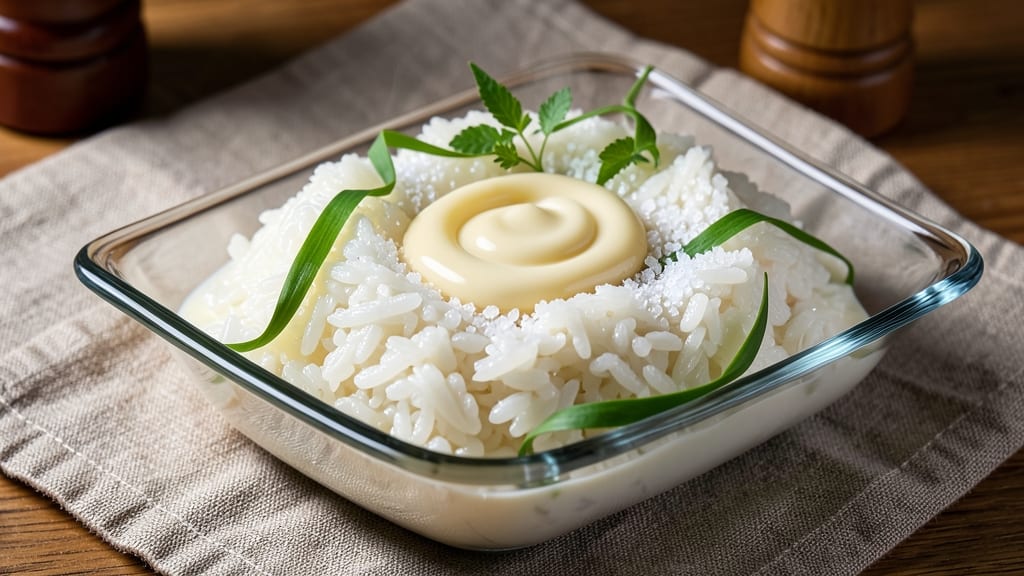
This Chinese glutinous rice cooker recipe transforms simple ingredients into the perfect sticky-sweet filler for dumplings or desserts. The key lies in proper soaking and precise water ratios—critical steps that ensure that ideal chewy texture every time.
I’ve perfected this method after years of testing, and it delivers restaurant-quality results in under an hour.
With just glutinous rice, water, and a pinch of sugar, you’ll achieve tender yet firm grains that cling together beautifully. The rice cooker handles the work while you focus on flavor variations—like adding pandan leaf for aroma or coconut milk for richness.
Whether you’re making dim sum or a sweet treat, this foolproof technique guarantees success every time.
Ingredients for chinese glutinous rice recipe rice cooker
Restaurant-quality glutinous rice starts with just these seven simple yet precise ingredients.
| Ingredient | Amount | Notes |
|---|---|---|
| Glutinous Rice (Sweet Rice) 🍚 | 1 cup | Uncooked, short-grain preferred |
| Water 💧 | 1 ½ cups | Room temperature preferred |
| Granulated White Sugar 🍯 | ¼ cup | Adjust to taste for sweetness |
| Pandan Leaf (optional) 🌿 | 1 whole | Tied in cheesecloth for aroma |
| Coconut Milk (optional) 🥥 | ½ cup | Full-fat for richness |
| Salt 🧂 | ¼ tsp | Diamond Crystal preferred |
| Sesame Oil (optional) 🫒 | 1 tbsp | For finishing aroma |
The rice matters most—Asian markets or specialty stores carry the best quality glutinous rice (also called sweet rice). Look for short-grain varieties like Thai or Japanese brands—Mama brand is my go-to for consistent texture. The sugar isn't just for sweetness; it helps create that signature chewy bite when properly soaked. For the pandan leaf, Asian grocery stores sell it fresh or frozen—just tie it in cheesecloth before adding to the rice. If you can't find it, vanilla extract at half a teaspoon works in a pinch, though the aroma won't be identical.
No pandan? Skip it entirely—the rice will still turn out perfectly. Coconut milk is optional but adds luxurious creaminess; full-fat canned coconut milk from Thai Kitchen or Goya works best. For sweetness, you can substitute maple syrup or agave at the same amount, though white sugar dissolves most cleanly. The sesame oil is purely for aroma—use toasted sesame oil from La Choy or Kikkoman for authentic flavor. And yes, you can make this without any optional ingredients—it's already foolproof as-is.
Soak the rice for at least 30 minutes before cooking—this is non-negotiable for that perfect texture. Store cooked rice in an airtight container for up to 3 days in the fridge, though it's best used within 24 hours for optimal texture. For longer storage, freeze portions for up to 3 months. I always make a double batch—one for dumplings and one for sweet rice balls. The rice reheats beautifully with a splash of water in the microwave.
Why You'll Love This Recipe
- Two-Ingredient Magic: I swear by this—just rice, water, and a pinch of sugar. That’s it. No chopping, no fuss, and your rice cooker does all the work while you sip tea or scroll through your phone.
- Sweet & Simple Perfection: The sugar caramelizes just enough to give it a subtle, melt-in-your-mouth sweetness, and if you add pandan or coconut milk, it’s like dessert without the guilt. Honestly, my kids ask for this over actual dessert sometimes.
- Lunchbox Hero: Pack it cold for work or school—it stays soft and satisfying for hours. I make a big batch on Sundays, and it’s my go-to for quick, no-reheat lunches that don’t taste like they came from a microwave.
- Budget-Friendly Luxury: Glutinous rice is cheap, and you’re not drowning it in expensive ingredients. A single batch feeds four, and leftovers reheat beautifully—steamed or even microwaved—so it’s my secret weapon for lazy days.
Step-by-step instructions for Chinese glutinous rice cooker recipe
Here's the precise method to achieve perfectly sticky, sweet glutinous rice every time in your rice cooker.
Prepare the Glutinous Rice and Liquid Base
Begin by rinsing the 1 cup Glutinous Rice (Sweet Rice) under cold water until the water runs clear. This removes excess starch that can make the rice gummy. I use a fine-mesh strainer and swirl the rice gently with my fingers—no vigorous rubbing, just enough to cleanse the grains without breaking them.
In a medium bowl, combine the rinsed glutinous rice with the 1.5 cups Water, 0.25 cup Granulated White Sugar, and 0.25 tsp Salt. If using the 1 whole Pandan Leaf (optional), tie it in cheesecloth first to prevent it from tearing. Stir gently just to distribute the sugar evenly—overmixing can develop gluten and alter the texture. The mixture should look like a thick, slightly sticky porridge at this stage.
Add Optional Coconut Milk and Mix Thoroughly
If you're including the 0.5 cup Coconut Milk (optional), pour it into the rice mixture and stir until fully incorporated. The coconut milk adds a luxurious creaminess that pairs beautifully with the natural sweetness of the glutinous rice. I recommend using full-fat coconut milk for the richest texture—it prevents the rice from becoming too dry during cooking.
Let the mixture sit at room temperature for 10-15 minutes while you prepare your rice cooker. This resting period allows the rice to begin absorbing the liquid and sugar, ensuring even cooking later. You'll notice the mixture becoming slightly more viscous as the starch activates—this is exactly what we want for that signature sticky texture.
Cook in the Rice Cooker Using the White Rice Setting
Transfer the prepared mixture to your rice cooker and spread it evenly across the bottom. Select the "White Rice" setting, which typically uses a 1:1.5 rice-to-water ratio—perfect for glutinous rice. Close the lid and press start, then let the cooker do its work without opening it during the cooking process.
The cooking time will vary slightly depending on your model, but most rice cookers take 30-40 minutes to reach the "Keep Warm" stage. You'll know it's ready when the rice is completely tender and pulls away from the sides of the pot in a single, cohesive mass. If you're using the pandan leaf, remove it at this stage before proceeding.
Finish with Sesame Oil for Aroma and Texture
Once the rice cooker switches to "Keep Warm," let the glutinous rice sit undisturbed for 5 minutes to allow any remaining steam to distribute. Then, gently fold in the 1 tbsp Sesame Oil (optional) using a silicone spatula. The sesame oil adds a delicate nutty aroma that complements the sweetness perfectly—this is the secret to that authentic Chinese dumpling filler flavor.
For best results, serve the rice immediately while still warm. The texture should be firm yet tender, with a slight chewiness that's characteristic of glutinous rice. If you're using this as a dumpling filling, roll it into small balls or shape it according to your recipe—it should hold together beautifully without sticking to your hands.
Pro Tips For Making Chinese Glutinous Rice Recipe Rice Cooker
- SOAK THE RICE LONGER: Glutinous rice needs time—at least 4 hours, ideally overnight. I learned this the hard way when my rice turned gummy instead of sticky. Cold water works best, and don’t skip the soak, even if you’re in a hurry.
- USE LESS WATER THAN YOU THINK: The rice-to-water ratio for glutinous rice is way lower than regular rice—try 1:1.2 or 1:1.3 (rice to water). Too much water makes it mushy; too little risks undercooking. Your rice cooker’s steam will do the rest.
- STIR ONCE AFTER STEAMING: Once the rice cooker switches to “keep warm,” open it and give the rice a quick, gentle stir. This breaks up any clumps and ensures even texture. (Yes, it’s messy—use a spoon with a long handle.)
- SWEETEN IT WHILE WARM: Add sugar, coconut milk, or pandan after cooking, when the rice is still warm. Cold rice absorbs flavors poorly, and you’ll end up with a dry, cloying mess. Stir it in right away for perfect balance.
Wine and beer pairings for this chinese glutinous rice recipe rice cooker
Sweet Rice & Tea Pairings
Chinese glutinous rice pairs beautifully with jasmine tea—its delicate floral notes complement the rice's natural sweetness without overpowering it. I recommend Tieguanyin oolong for a slightly floral and nutty profile that enhances the sesame aroma.
Brew it lightly at 180°F for 2-3 minutes to avoid bitterness that could clash with the rice's richness. 🍵
Creamy Dessert Pairings
When serving this rice as a dessert (like sweet rice balls), a coconut milk-based drink is a perfect match. Try Thai coconut milk tea from Chaokoh—its creamy texture mirrors the rice's natural sweetness while adding a tropical twist.
For a non-alcoholic option, lychee juice from Chaokoh or Mama brand adds a fruity contrast that brightens the dish.
Alcoholic Pairings
For a festive touch, pair this glutinous rice with Chinese Shaoxing wine—its subtle sweetness and earthy notes enhance the rice's texture. Use dry Shaoxing wine (like Kuan-Chang) to balance the sweetness without overwhelming it.
For a dessert version, Moscato d'Asti offers a light, fizzy contrast that cleanses the palate between bites. 🍷
Savory Pairings
When using this rice as a dumpling filling, pair it with lightly salted soy sauce for dipping. The umami depth of Japanese tamari or Chinese light soy sauce (like Lee Kum Kee) cuts through the sweetness beautifully.
For a more complex flavor, add a splash of rice vinegar and a pinch of chili flakes to create a tangy, spicy dipping sauce.
Seasonal Adaptations
In summer, pair this rice with iced green tea or lychee lemonade to refresh the palate. For winter, a warm spiced chai tea (like Tazo Chai) adds warmth that contrasts the rice's cool sweetness.
The key is balancing temperature—hot drinks with warm rice, cold drinks with chilled rice for a refreshing contrast. ✨
Nutrition facts
Frequently asked questions
Why does my glutinous rice turn out too sticky or gummy?
Over-soaking or insufficient rinsing causes excess starch release, leading to gummy texture. Always rinse until water runs clear, then soak for 30 minutes max—never longer. For extra stickiness, reduce water by 0.25 cup and cook on the "porridge" setting if your rice cooker has one.
Can I make this recipe without a rice cooker?
Yes! Use a heavy-bottomed pot with a tight lid. Simmer on low heat for 25-30 minutes after boiling, stirring occasionally to prevent sticking. The key is patience—glutinous rice needs gentle heat to develop proper texture. For best results, keep the heat at 140°F or lower.
How do I store leftover glutinous rice for dumplings?
Cool the rice quickly in an ice bath to stop cooking, then store in an airtight container for up to 3 days in the fridge. For longer storage, freeze portions for 3 months. To reheat, microwave with 1 tsp water per ½ cup rice for 30 seconds, then knead gently to restore texture.
What's the best way to shape this rice for dumplings?
Work with warm rice—it's more pliable. Wet your hands with water and roll into 1-inch balls or flatten into ¼-inch thick sheets for wrappers. For extra cohesion, dust with ½ tsp cornstarch between layers. Chill for 10 minutes before cooking to maintain shape.
Can I substitute regular rice for glutinous rice?
No—regular rice lacks the sticky starch needed for this texture. The closest substitute is sushi rice, but it won't be as sweet or chewy. For a similar effect, mix ½ cup glutinous rice with ½ cup jasmine rice, but expect a different mouthfeel. The recipe relies on glutinous rice's unique properties!