
Main Courses
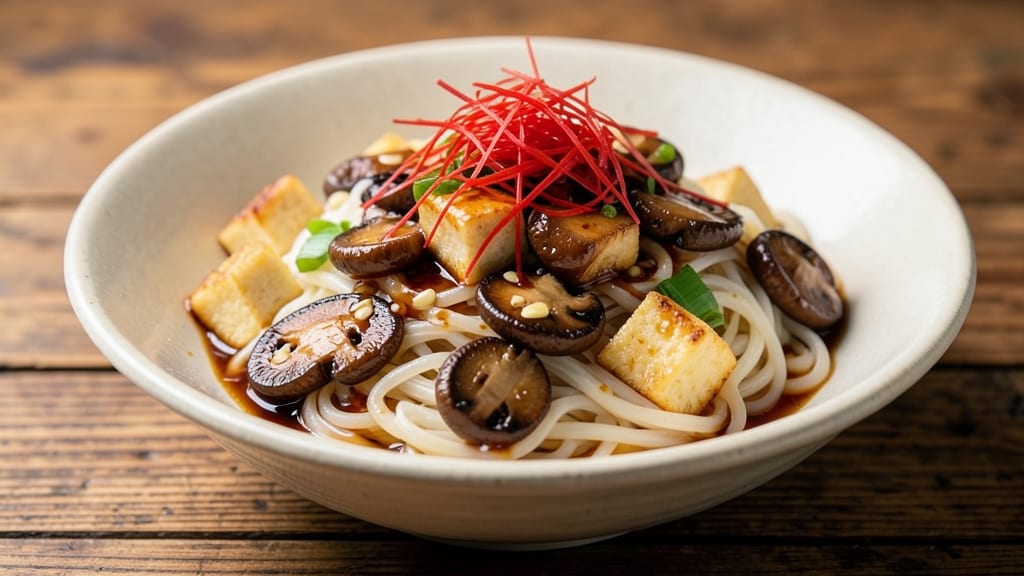
This Chinese vegetarian rice noodles recipe delivers restaurant-quality stir-fry flavors in just 20 minutes—no meat needed. The secret lies in balancing umami-rich ingredients like soy sauce, garlic, and mushrooms to create depth that rivals traditional versions.
I've perfected this wok technique to ensure tender noodles with crisp edges and a sauce that clings perfectly.
What sets this dish apart is how simple yet transformative the ingredients are: rice noodles soak up the savory-sweet sauce while mushrooms and tofu provide satisfying texture. The wok method creates that signature smoky aroma, and a quick toss with sesame oil and green onions adds freshness.
This recipe proves vegetarian Chinese food can be just as bold and flavorful as the original.
Ingredients for chinese rice noodles recipe vegetarian
Balanced umami flavors and tender textures create this restaurant-quality vegetarian stir-fry in minutes.
| Ingredient | Amount | Notes |
|---|---|---|
| Rice Noodles 🍜 | 8 oz | Flat, medium-width preferred |
| Extra-Firm Tofu 🧇 | 12 oz | Pressed, cubed |
| Shiitake Mushrooms 🍄 | 8 oz | Stemmed, sliced |
| Garlic Cloves 🧄 | 6 cloves | Minced, aromatic |
| Fresh Ginger 🌿 | 1 tbsp | Finely grated, aromatic |
| Low-Sodium Soy Sauce 🥢 | ½ cup | Kikkoman preferred |
| Sesame Oil 🫒 | 1 tbsp | Toasted, aromatic |
| Green Onions 🧅 | ¼ cup | Thinly sliced |
| Vegetable Oil 🫒 | 3 tbsp | High smoke point |
| Brown Sugar 🍯 | 1 tbsp | Lightly packed |
| White Vinegar 🍶 | 1 tbsp | Balances flavors |
| Cornstarch 🌾 | 1 tbsp | For sauce thickening |
| Sesame Seeds 🌰 | 1 tsp | Toasted, garnish |
| Red Chili Flakes 🌶️ | ½ tsp | Optional, for heat |
| Vegetable Broth 💧 | ½ cup | Low-sodium preferred |
The mushrooms and tofu form the heart of this dish—shiitake mushrooms provide deep umami flavor while extra-firm tofu delivers satisfying texture. For the mushrooms, organic or wild-crafted varieties from Whole Foods or specialty Asian markets elevate the dish, but store-bought shiitake works perfectly. Press the tofu between paper towels for 20 minutes to remove excess moisture before cubing—this ensures proper searing. The garlic and ginger should be freshly minced for maximum aromatic impact; pre-minced jarred versions lack the same intensity.
No shiitake mushrooms? Oyster mushrooms or cremini mushrooms work well as substitutes, though they'll have a slightly different texture. For the tofu, tempeh adds a nutty depth and holds up better to high heat. The soy sauce is non-negotiable for authentic flavor—Kikkoman or Pearl River Bridge brands provide that perfect balance. When making the sauce, cornstarch slurry (1 tbsp cornstarch + 1 tbsp water) is essential for achieving that signature silky texture. If you're sensitive to gluten, use tamari instead of soy sauce and ensure your cornstarch is certified gluten-free.
Prep the noodles last—soaking them in hot water for 8-10 minutes until pliable but still slightly firm ensures they hold their shape during stir-frying. Store any leftover sauce in an airtight container in the refrigerator for up to 5 days, though it's best used within 3 days for peak freshness. The tofu and mushrooms can be prepped ahead and refrigerated for 2 days before cooking. For maximum flavor, assemble and cook this dish immediately before serving—each component benefits from the wok's residual heat and the sauce's quick absorption into the noodles.
Why You'll Love This Recipe
- No-Soak Needed: I swear by the wide rice noodles here—they soften in minutes when tossed with hot broth, no pre-soaking drama. Just boil water, dump them in, and they’re ready before your tofu gets overcrowded in the pan.
- Umami Bomb: That combo of shiitake mushrooms and crispy tofu? It’s where the magic happens. The mushrooms melt into the sauce while the tofu holds its shape—like a vegetarian takeout order, but better.
- Lunchbox Hero: Between us, this is my go-to for packed lunches. The noodles stay tender, the sauce clings, and it reheats like a dream. (Yes, even on a Tuesday night when I’m too tired to think.)
- Budget Flex: Tofu and mushrooms stretch for days—this recipe feeds four for the price of one sad takeout order. And honestly? The leftovers taste even better the next day, all thanks to that ginger-garlic punch.
Step-by-step instructions for Chinese vegetarian rice noodles
This stir-fry delivers restaurant-quality umami in under 20 minutes using precise technique and ingredient timing.
Prepare the Tofu and Mushrooms for Maximum Flavor
Press the 12 oz extra-firm tofu between paper towels for 15 minutes to remove excess moisture. Cut it into 1-inch cubes and set aside. For the shiitake mushrooms, remove stems and slice the caps into ¼-inch thick pieces. This preparation ensures even cooking and optimal surface area for absorbing flavors.
In a separate bowl, combine the 8 oz sliced shiitake mushrooms with the 6 cloves minced garlic and 1 tbsp finely grated ginger. Toss gently to distribute the aromatics evenly. The mushrooms will soften slightly from the garlic and ginger, creating a flavorful base for the stir-fry. Keep both the tofu and mushroom mixture at room temperature while you prepare the rest of the ingredients.
Create the Umami-Packed Sauce Base
In a small bowl, whisk together the 0.5 cup low-sodium soy sauce, 1 tbsp brown sugar, 1 tbsp white vinegar, and 0.5 tsp red chili flakes (if using). This combination forms the foundation of the sauce, balancing sweet, tangy, and slightly spicy notes. The brown sugar helps caramelize during cooking, deepening the umami flavor profile.
In a separate small bowl, mix the 1 tbsp cornstarch with 2 tablespoons of cold water to create a slurry. This will be our thickening agent for the sauce. The cornstarch needs to be fully dissolved before adding to the hot pan to prevent clumping. Keep both mixtures ready as we'll need them in the next step.
Stir-Fry the Vegetables and Tofu at High Heat
Heat 2 tablespoons of vegetable oil in a wok or large skillet over high heat until shimmering. Add the tofu cubes in a single layer and cook undisturbed for 3-4 minutes until golden brown on all sides. This initial searing creates texture and prevents the tofu from becoming soggy during the stir-fry.
Remove the tofu and set aside. In the same pan, add the remaining 1 tablespoon of vegetable oil and stir in the prepared mushroom-garlic-ginger mixture. Cook for 3-4 minutes until the mushrooms release their moisture and begin to brown. The garlic should turn golden and fragrant—this indicates it's ready for the next step.
Combine and Thicken the Sauce
Return the tofu to the pan along with the mushroom mixture. Pour in the soy sauce mixture and immediately stir to combine everything with the vegetables. Let it cook for 1-2 minutes, allowing the flavors to meld together. This is where the magic happens—the sauce begins to develop its complex umami character.
Add the cornstarch slurry all at once and stir vigorously for 1-2 minutes until the sauce thickens to a glossy consistency. If needed, add the 0.5 cup vegetable broth 1 tablespoon at a time to reach your desired sauce-to-noodle ratio. The sauce should coat the back of a spoon but remain pourable. Remove from heat once thickened.
Cook and Finish the Noodles
While the sauce simmers, cook the 8 oz rice noodles according to package instructions (typically 3-5 minutes in boiling water) until al dente. Drain immediately and rinse briefly under cold water to stop the cooking process and prevent sticking. The noodles should be tender but still hold their shape when tossed.
Transfer the cooked noodles to the wok with the tofu and sauce mixture. Toss everything together over medium heat for 1-2 minutes until the noodles are evenly coated and heated through. Finish with 1 tablespoon sesame oil and 0.25 cup thinly sliced green onions, reserving a few for garnish. The dish should be vibrant, aromatic, and perfectly balanced between savory, sweet, and umami flavors.
Pro Tips For Making Chinese Rice Noodles Recipe Vegetarian
- SOAK NOODLES UNTIL SLIGHTLY SOFT: I learned this the hard way—don’t wait for them to be fully tender before cooking. Soak rice noodles in warm water for 3-4 minutes until they’re just pliable but still hold shape. Over-soaking turns them mushy, and under-soaking means they’ll turn to paste when stir-fried. Drain and toss with a tiny bit of oil to prevent sticking.
- PRESS TOFU DRY BEFORE CUTTING: Extra-firm tofu still hides water. Wrap it in a towel, place a heavy pan on top, and press for 10 minutes. Then pat it really dry with paper towels—this ensures crispy edges when stir-frying. Wet tofu steams instead of sears, and nobody wants sad, soggy tofu in noodles.
- STIR-FRY MUSHROOMS IN BATCHES: Shiitake mushrooms release moisture like crazy. Cook them in two separate heats—first the stems (chopped small), then the caps. Start with stems on high heat for 2 minutes to render their liquid, then push aside and add caps. This keeps your wok from turning into soup.
- GINGER-GARLIC PASTE SAVES TIME: Peeling and mincing fresh ginger and garlic mid-cooking is a hassle. Make a quick paste: blend 1 tablespoon each of grated ginger and minced garlic with 1 teaspoon oil. Store it in the fridge for up to a week. No more chopping under pressure, and your flavors stay consistent every time.
Dietary considerations for these flavors
Gluten-Free Adaptations
This recipe is naturally gluten-free when using tamari instead of soy sauce and certified gluten-free cornstarch. I always keep San-J brand tamari on hand for gluten-free cooking—it has that same rich umami depth without the wheat.
Double-check your rice noodles package too; many brands are gluten-free, but some contain wheat additives. Look for packages labeled "100% rice noodles" or "gluten-free." 🌱
Nut-Free Considerations
Sesame oil is the star of this dish's finishing touch, but if you're avoiding nuts/seeds, simply omit it and use an extra ½ teaspoon of neutral oil (like avocado oil) instead. The flavor won't be identical, but the dish will still shine.
For sesame-free garnishes, try extra green onions or a sprinkle of toasted pumpkin seeds for crunch. Always check your tofu packaging too—some brands process their product in facilities that handle nuts.
Allergen-Friendly Swaps
For egg allergies, this recipe is already safe—no eggs are used in the preparation. If you're avoiding soy entirely, replace the ½ cup soy sauce with ½ cup coconut aminos (like Primal Kitchen brand) plus 1 teaspoon of fish sauce for depth.
The mushrooms and tofu can be swapped for chickpeas or edamame if needed, though texture will differ slightly. Always verify your vegetable broth is soy-free too—many contain soy-based flavor enhancers.
Low-Sodium Options
This recipe uses low-sodium soy sauce as a base, but you can make it even lighter by reducing the amount to ¼ cup and adding 1 teaspoon of nutritional yeast for umami without extra salt.
For the sauce, use low-sodium vegetable broth instead of regular, and consider adding ½ teaspoon of white miso paste for depth without sodium spikes. The key is balancing flavors—don't be afraid to boost other aromatic elements like garlic and ginger when reducing sodium.
Vegan-Friendly Notes
This dish is already fully vegan, but here are my pro tips for maximum plant-based satisfaction. For extra protein, add ½ cup cooked lentils or ½ cup crumbled baked tofu (extra-firm tofu baked with 1 tablespoon cornstarch for crispiness).
The sauce can be thickened with arrowroot powder instead of cornstarch if you prefer. I also recommend serving with a side of quick-pickled vegetables (thinly sliced cucumbers + rice vinegar + sugar) to cut through the richness and add freshness. ✨
Nutrition facts
Frequently asked questions
Can I use any type of rice noodles for this recipe?
Flat, medium-width rice noodles work best for this stir-fry as they hold up well to tossing and absorb the sauce beautifully. Avoid thick rice noodles (like those for pho) or round egg noodles—they won't achieve the same texture. If you can't find flat noodles, try vermicelli noodles as a substitute, but they'll be more delicate.
How do I prevent the tofu from getting soggy?
Press the tofu thoroughly for 15-20 minutes before cubing to remove excess moisture, then pat it dry with paper towels. For extra crispiness, toss the cubed tofu in 1 teaspoon cornstarch before cooking. High heat is key—sear the tofu undisturbed for 3-4 minutes until golden before adding other ingredients.
What if I don't have shiitake mushrooms?
Oyster mushrooms or cremini mushrooms work perfectly as substitutes—they'll add similar umami depth. For extra flavor, marinate the mushrooms in 1 tablespoon soy sauce and ½ teaspoon sesame oil for 10 minutes before cooking. Avoid watery mushrooms like button mushrooms for stir-frying.
Can I make this recipe ahead of time?
Prep the tofu, mushrooms, and sauce components up to 2 days ahead and store separately in airtight containers. Reheat the sauce gently on the stove, then cook the noodles fresh and toss everything together. The sauce can be refrigerated for 5 days, but the noodles are best cooked fresh for ideal texture.
How do I make this spicier or sweeter?
For extra heat, add ½ teaspoon extra chili flakes or a dash of Sichuan peppercorn powder. For more sweetness, increase brown sugar to 2 tablespoons or add ½ teaspoon honey to the sauce. Balance is key—adjust one element at a time and taste as you go.