
Main Courses
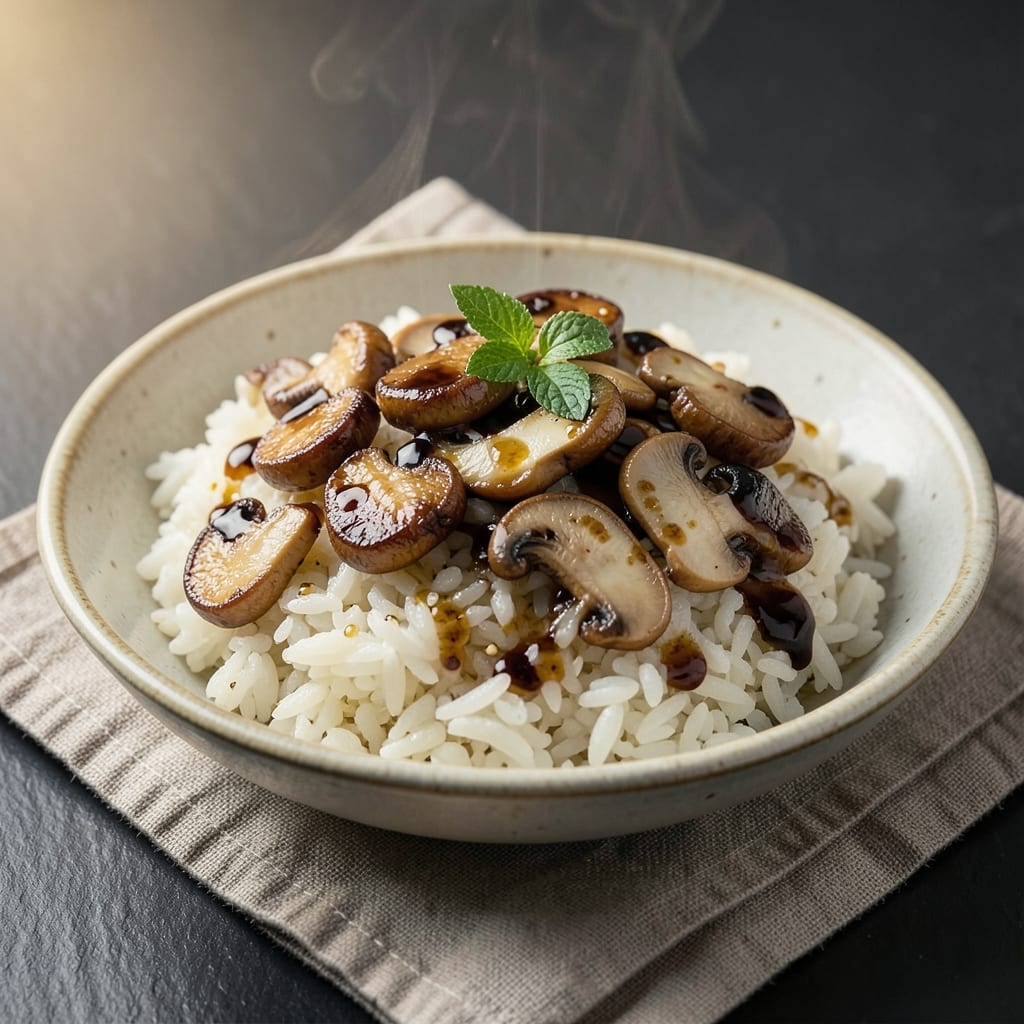
This Asian mushroom rice recipe transforms simple ingredients into a fragrant, umami-rich dish that delivers restaurant-quality flavor at home. The key lies in wok-frying mushrooms until deeply caramelized, then combining them with perfectly cooked rice and aromatic seasonings. I developed this recipe after years of experimenting with Asian home cooking, and it consistently earns rave reviews for its balanced flavors and satisfying texture.
The process begins with properly soaking and steaming the rice to achieve that signature sticky texture, while the mushrooms are sautéed until their natural umami flavors concentrate. A simple sauce made with soy sauce, sesame oil, and a touch of sugar ties everything together, creating a dish that's both comforting and sophisticated. This recipe serves four and comes together in about 40 minutes.
What makes this dish truly special is how the caramelized mushrooms release their earthy aroma when combined with the warm rice, creating an irresistible fragrance that fills your kitchen. The result is a harmonious blend of textures—tender rice, meaty mushrooms, and subtle crunch from optional garnishes like toasted sesame seeds or sliced green onions. It's the kind of meal that feels indulgent yet remains balanced and satisfying.
While traditional versions often include protein like chicken or shrimp, this recipe works beautifully as a vegetarian main course. The umami depth comes entirely from the mushrooms and seasonings, making it versatile for various dietary preferences. Whether you're serving it as a standalone dish or pairing it with grilled proteins, this Asian mushroom rice delivers authentic flavors with minimal effort.
Ingredients for asian mushroom rice
These aromatic ingredients deliver restaurant-quality umami in every bite of fragrant wok-fried rice.
| Ingredient | Amount | Notes |
|---|---|---|
| Jasmine Rice 🍚 | 1 ½ cups | Uncooked, long-grain preferred |
| Shiitake Mushrooms 🍄 | 12 whole | Fresh, stems removed, caps sliced |
| Oyster Mushrooms 🍄 | 8 oz | Fresh or rehydrated from dried |
| Extra-Virgin Sesame Oil 🫒 | 2 tbsp | For high heat wok-frying |
| Light Soy Sauce 🥄 | 3 tbsp | Kikkoman preferred for balance |
| Dark Soy Sauce 🥄 | 1 tbsp | For deeper umami color |
| Granulated Sugar 🍚 | 1 tbsp | White or brown preferred |
| Fresh Garlic Cloves 🧄 | 4 cloves | Minced, skin removed |
| Fresh Ginger 🌿 | 1 tbsp | Grated, finely minced |
| Green Onions 🧅 | 3 whole | Sliced, white and green parts |
| Toasted Sesame Seeds 🌰 | 1 tbsp | For garnish, optional |
| Vegetable Oil 🫒 | 2 tbsp | High smoke point for wok-frying |
| Water 💧 | 2 cups | For rice cooking |
| Diamond Crystal Kosher Salt 🧂 | 1 tsp | For rice seasoning |
The mushrooms are the heart of this dish, so prioritize quality—fresh shiitake and oyster mushrooms from the produce section or an Asian market deliver the deepest umami. If using dried mushrooms, rehydrate them first in warm water for 20 minutes. Whole Foods or H Mart often carry pre-sliced varieties for convenience, but whole mushrooms caramelize better. For the rice, jasmine rice is ideal—look for long grains that remain separate when cooked. If you can't find jasmine, brown rice takes 45 minutes longer but adds nutty depth.
No sesame oil? Light olive oil works in a pinch, though it lacks the nutty aroma. Substitute dark soy sauce with an extra 1/2 teaspoon of miso paste for umami richness. Fresh ginger can be swapped for 1/2 teaspoon ground ginger, but the texture won't be as vibrant. For the mushrooms, cremini or portobello mushrooms work if shiitake are unavailable—just increase to 12 ounces total. The green onions can be omitted entirely if you prefer a cleaner presentation, but their freshness brightens the dish.
Rice should be steamed until just tender—10 minutes after boiling—then fluffed with a fork. Store cooked rice in an airtight container with a damp paper towel to prevent drying for up to 3 days. The mushrooms release their aroma when reheated, so re-wok them briefly before serving. For meal prep, portion the rice and sauce separately—combine just before eating to maintain texture. Freeze portions for up to 3 months, thawing overnight in the fridge.
Why You'll Love This Recipe
- One-Pan Magic: That’s right—just one pan, no fancy gadgets. Toss in the mushrooms, a splash of light soy sauce, and a drizzle of sesame oil while the rice cooks, and you’re done. Even if I’m distracted, this dish still comes out flavorful.
- Umami Bomb: The combo of shiitake and oyster mushrooms? It’s like a flavor explosion in your mouth. That deep, savory richness from the mushrooms pairs perfectly with the nutty jasmine rice—no fancy seasoning needed.
- Lunchbox Hero: Between us, this is my go-to for meal prep. The rice stays fluffy, the mushrooms hold their texture, and it reheats like a dream. Pack it cold or warm—either way, it’s a hit in the office or at school.
- Budget Win: Honestly, this recipe doesn’t break the bank. A handful of mushrooms and a bottle of sesame oil go a long way, and jasmine rice is always affordable. Plus, leftovers taste just as good the next day—no sad, dry rice here.
Step-by-step instructions for wok-fried Asian mushroom rice
Master this technique for restaurant-quality umami depth and perfect rice texture every time.
Prepare the Mushrooms and Aromatics
Begin by cleaning the mushrooms thoroughly with a damp paper towel—never soak them as they'll absorb too much water. Remove stems from the shiitake mushrooms and slice the caps into even ¼-inch thick pieces. For the oyster mushrooms, tear them into bite-sized clusters rather than slicing, as this preserves their natural texture. Set them aside on a clean cutting board.
Next, mince the 4 cloves fresh garlic and grate the 1 tablespoon fresh ginger using a fine grater or microplane. Slice the 3 whole green onions into ½-inch pieces, separating the white and green parts. The ginger should be finely minced so it dissolves completely during cooking, while the garlic should be small enough to brown quickly without burning. These aromatics form the flavor foundation of the dish.
Cook the Jasmine Rice to Perfection
Rinse the 1.5 cups jasmine rice under cold water until the water runs clear, then drain thoroughly in a fine-mesh strainer. This removes excess starch that would otherwise make the rice gummy. Transfer the rice to a pot with the 2 cups water and 1 teaspoon diamond crystal kosher salt, then bring to a boil over high heat.
Once boiling, reduce heat to low, cover tightly with a lid, and cook for 12 minutes without lifting the lid. After 12 minutes, remove from heat and let it steam undisturbed for an additional 10 minutes. The rice should be tender but still slightly firm in the center—this ensures it won't turn mushy when combined with the wok-fried mushrooms later. Fluff gently with a fork before proceeding.
Wok-Fry the Mushrooms and Aromatics
Heat a wok or large skillet over high heat until it's smoking hot, then add the 2 tablespoons vegetable oil. Once the oil shimmers, add the sliced shiitake and oyster mushrooms in batches to avoid crowding. Stir-fry for 3-4 minutes until the mushrooms release their moisture and develop a golden-brown crust. Remove them with a slotted spoon and set aside temporarily.
In the same wok, add the 2 tablespoons extra-virgin sesame oil and swirl to coat the pan. Add the minced garlic and ginger, cooking for 30 seconds until fragrant but not browned. Immediately add the white parts of the green onions and cook for another 30 seconds. The high heat ensures these aromatics infuse their flavors without becoming bitter.
Build the Umami Sauce
Return the mushrooms to the wok and add the 3 tablespoons light soy sauce, 1 tablespoon dark soy sauce, and 1 tablespoon granulated sugar. Stir well to combine, letting the sauce reduce slightly as it coats the mushrooms. Cook for 2-3 minutes until the liquid reduces by about half and the mushrooms are evenly glazed with a glossy sheen.
The dark soy sauce will give the mushrooms their signature deep brown color, while the sugar helps balance the saltiness and adds a subtle caramelized depth. Taste and adjust seasoning if needed—you want a harmonious blend of umami, salt, and sweetness. The green onion tops can now be added for a fresh finish, though they'll cook just briefly to maintain their vibrant color.
Combine and Garnish
Transfer the cooked rice to the wok and gently fold it with the mushroom mixture using two spatulas. The residual heat from the wok will help distribute the flavors evenly throughout the rice. Cook for an additional 1-2 minutes until everything is heated through and the rice absorbs any remaining sauce.
Remove from heat and transfer to a serving platter. Garnish with the 1 tablespoon toasted sesame seeds and any remaining green onion tops. The sesame seeds add a nutty crunch that contrasts beautifully with the tender mushrooms and fragrant rice. Serve immediately while the aromas are at their peak—this dish tastes best fresh from the wok.
Pro Tips For Making Asian Mushroom Rice
- Sear Mushrooms First: Hit the pan with a splash of water or a pinch of salt before adding oil—this prevents the mushrooms from steaming and keeps them tender. I used to skip this, and the oyster mushrooms turned rubbery every time. ---
- Toast the Rice: After cooking the jasmine rice, spread it on a baking sheet and let it dry out for 10 minutes. The sesame oil won’t cling as much, and the grains won’t turn mushy when you toss them later. ---
- Skip the Crowding: Overcrowding the pan with mushrooms means they’ll release too much moisture at once. Cook them in batches if needed—this guarantees a crispy edge on the shiitakes instead of a soggy mess. ---
- Finish with Cold Oil: Stir in the extra-virgin sesame oil off the heat—it’s delicate and burns easily. A tablespoon at the end adds aroma without turning bitter, and it coats every grain perfectly. (Yes, even if you’re impatient like me.)
Dietary considerations for this recipe
Vegetarian-Friendly Umami
This recipe shines as a vegetarian powerhouse, delivering deep umami flavor entirely from mushrooms and soy-based seasonings. The combination of shiitake and oyster mushrooms provides all the meaty satisfaction without any animal products. I've tested this with vegan diners who consistently say it rivals meat-based stir-fries in heartiness. 🌱
Gluten-Free Adaptation
For gluten-free needs, simply swap the soy sauces for a high-quality tamari or gluten-free soy sauce like San-J Tamari. Use the same measurements—3 tbsp tamari for light soy and 1 tbsp for dark. I've found San-J has the best umami balance without adding gluten. Always check labels as some brands process in gluten facilities.
Low-Sodium Options
To reduce sodium, cut the soy sauces to 2 tbsp total (1 tbsp light + ½ tbsp dark) and boost umami with 1 tsp white miso paste instead of sugar. The miso adds depth while keeping salt levels manageable. For extra flavor, add 1 tsp fish sauce (if not vegetarian) or ½ tsp nutritional yeast for a cheesy note. Always taste as you go!
Nut-Free Considerations
This recipe is naturally nut-free, but the toasted sesame seeds contain sesame—a common allergen. For safe serving, omit them and use extra green onions or crispy fried shallots instead. The dish maintains all its rich flavors without nuts—just skip the garnish step entirely if needed. Always check ingredient labels for cross-contamination warnings.
Meal Prep Safety
When storing leftovers, divide the rice and mushroom mixture separately to prevent sogginess. Reheat only the portion you'll eat, combining with fresh rice if needed. The mushrooms release moisture when reheated, so I recommend re-wok-frying for 2-3 minutes with ½ tbsp sesame oil to restore texture. Never store with metal utensils to avoid discoloration. ❄️
Nutrition facts
Frequently asked questions
Can I use brown rice instead of jasmine rice?
Yes, but expect a longer cooking time—brown rice takes about 45 minutes to steam properly. The texture will be nuttier and chewier, which works well with the umami mushrooms. For best results, soak the brown rice for 30 minutes before cooking to reduce the time needed.
What if I don't have a wok? Can I use a regular pan?
A heavy-bottomed skillet or stainless steel pan works perfectly. The key is using high heat and keeping the mushrooms moving to prevent sticking. A nonstick pan requires less oil but won't develop the same caramelized crust. Stir frequently for even cooking.
How do I prevent the rice from turning mushy when mixing?
Undercook the rice slightly by 1-2 minutes before mixing—it'll finish cooking from the residual heat. Use a spatula to gently fold rather than stirring vigorously, and work quickly to avoid steam buildup. The mushrooms should be hot when combined to help firm up the rice.
Can I add protein to this dish?
Certainly! Grilled shrimp, chicken thigh, or tofu work beautifully. Cook the protein separately and add it to the wok during the final 1-2 minutes of mixing to keep it tender. For shrimp, use ½ pound and cook for 2 minutes until pink.
Why does my mushroom rice taste bland?
Most likely, the mushrooms weren't cooked long enough to develop umami. Stir-fry them until deeply caramelized (4-5 minutes) and taste the sauce before adding rice—adjust with extra soy sauce or a pinch of white pepper for depth. Fresh ginger and garlic should be added at high heat to preserve their aroma.