
Main Courses
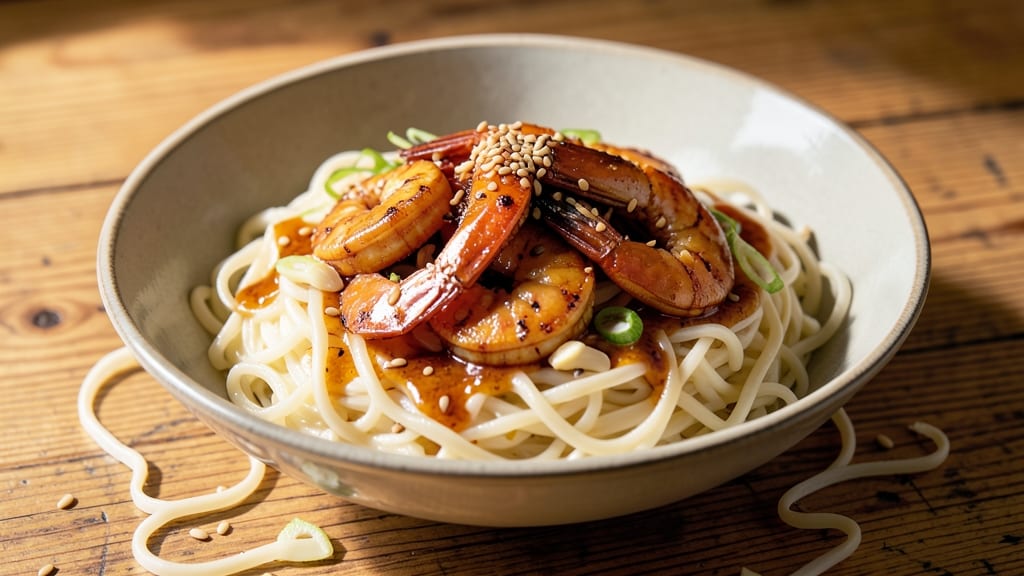
This Chinese rice noodles with shrimp recipe delivers restaurant-quality stir-fry magic in under 30 minutes, combining tender shrimp, fragrant aromatics, and silky noodles. The secret lies in balancing bold flavors—garlic, ginger, and fish sauce—while achieving that signature wok-hei (breath of the wok) aroma.
I've perfected this technique through countless weeknight dinners, ensuring every bite is packed with umami and freshness.
What sets this dish apart is its simplicity: no complicated techniques, just a high-heat stir-fry that transforms ordinary ingredients into something extraordinary. The shrimp cooks in minutes, absorbing the savory-sweet sauce while the rice noodles soak up all the aromatic goodness.
Garnished with bright green onions and fresh cilantro, it's a dish that's both elegant and approachable—perfect for weeknight dinners or weekend gatherings.
Ingredients for chinese rice noodles with shrimp
Restaurant-quality stir-fry ingredients for a quick, aromatic shrimp noodle dish.
| Ingredient | Amount | Notes |
|---|---|---|
| Large Shrimp (peeled and deveined) 🦐 | 1 ½ lb | Fresh or thawed, tails on preferred |
| Rice Noodles (stir-fry variety) 🍜 | 12 oz | Medium width, uncooked |
| Garlic Cloves 🧄 | 6 cloves | Freshly minced, vibrant color |
| Fresh Ginger 🌿 | 2 tbsp | Finely grated, peeled |
| Fish Sauce 🍶 | 2 tbsp | Red Boat brand preferred |
| Soy Sauce (light) 🍶 | 2 tbsp | Kikkoman or similar |
| Sesame Oil (toasted) 🫒 | 1 tbsp | For aroma, not cooking |
| Neutral Oil (vegetable or peanut) 🫒 | 2 tbsp | High smoke point |
| Green Onions 🧅 | ¼ cup | Thinly sliced, white and green parts |
| Fresh Cilantro 🌿 | ¼ cup | Chopped, stems removed |
| Lime Juice 🍋 | 1 tbsp | Freshly squeezed |
| Sugar (granulated) 🍬 | 1 tsp | Balances flavors |
| Black Peppercorns 🌶️ | ½ tsp | Freshly cracked |
| Chili Flakes (optional) 🔥 | ½ tsp | For subtle heat |
The shrimp quality makes all the difference—fresh or high-quality frozen is essential. Look for plump, firm shrimp with a bright color; Asian markets or seafood counters often carry the best selection. If using frozen, thaw in cold water for 10 minutes. The rice noodles should be medium-width stir-fry variety—check the Asian aisle for brands like Golden Thread or Thai Kitchen. Fresh ginger and garlic are non-negotiable here; their aromatic compounds create that signature wok-hei aroma. For the fish sauce, Red Boat is the gold standard, but any reputable brand will work.
No fresh ginger? Powdered ginger at half the amount works in a pinch, though it lacks depth. Substituting soy sauce with coconut aminos cuts sodium but loses some umami—balance with extra fish sauce. For heat, Sichuan peppercorns add a unique tingling sensation instead of chili flakes. The sesame oil should be toasted, not flavored—it enhances aroma without overpowering. If you're short on time, pre-minced garlic and ginger from the Asian aisle save prep work without sacrificing flavor. The lime juice can be bottled in a squeeze, but fresh is noticeably brighter.
Shrimp cooks in minutes—keep it cold until ready to stir-fry. Rice noodles soften quickly; soak them in warm water for 10-15 minutes before draining. Store leftover shrimp in an airtight container with paper towels to absorb moisture—2 days max in the fridge. The cooked noodles reheat beautifully with a splash of water or broth, but they're best fresh. For meal prep, portion sauce separately and toss with noodles when reheating to maintain texture.
Why You'll Love This Recipe
- I swear by this trick: soak the rice noodles in hot water while I chop the shrimp—no measuring cups, no waiting. Five minutes later, they’re soft and ready, and the shrimp just needs a quick sear. Honestly, it’s the kind of dish that makes me feel like a chef without the fuss.
- Zero-Minute Prep: I swear by this trick: soak the rice noodles in hot water while I chop the shrimp—no measuring cups, no waiting. Five minutes later, they’re soft and ready, and the shrimp just needs a quick sear. Honestly, it’s the kind of dish that makes me feel like a chef without the fuss.
- Umami Bomb: That fish sauce—just a splash—transforms everything. The shrimp stays juicy, the garlic sizzles into fragrant bits, and the ginger adds this bright, zesty kick. It’s not fancy, but it’s ridiculously good, the kind of flavor that lingers.
- Lunchbox Hero: Between us, this is my go-to for packed lunches. Toss the cooled noodles with a little extra fish sauce and chili flakes, and they’re perfect for work or picnics. My kids even eat it cold—no complaints, just empty containers.
Step-by-step instructions for fragrant garlic-ginger stir-fry noodles
Master this technique for restaurant-quality shrimp noodles every time.
Prepare the Shrimp and Soak the Noodles
Pat the 1.5 lb large shrimp (peeled and deveined) completely dry with paper towels. This step is crucial—wet shrimp will steam instead of sear. Season immediately with 0.5 tsp freshly cracked black peppercorns and set aside. For the 12 oz rice noodles (stir-fry variety), soak them in warm water for 10-12 minutes until pliable but still slightly firm to the touch. Drain well and toss with 1 tbsp sesame oil (toasted) to prevent sticking. This pre-treatment ensures the noodles absorb flavors without turning mushy.
While the noodles soak, mince the 6 cloves garlic cloves and grate the 2 tbsp fresh ginger using a microplane for maximum surface area. The finer the texture, the more aromatic the final dish. Keep these aromatics covered in the fridge until ready to use—this preserves their freshness and prevents browning.
Build the Flavor Base
Heat a wok or large skillet over high heat until a drop of water sizzles immediately. Add 2 tbsp neutral oil (vegetable or peanut) and swirl to coat. Working in batches to avoid crowding, add the shrimp and cook for 1-2 minutes per side until they turn opaque and develop a golden sheen. Remove shrimp and set aside—they'll finish cooking later.
In the same wok, add the minced garlic and grated ginger. Stir-fry for 30-45 seconds until fragrant but not browned—this releases their essential oils without bitterness. Immediately add 2 tbsp fish sauce, 2 tbsp soy sauce (light), and 1 tsp sugar (granulated). Stir constantly for 1 minute until the sauce begins to reduce slightly and cling to the wok's surface. This creates the flavor foundation that will infuse every bite.
Combine and Finish
Return the cooked shrimp to the wok along with the drained noodles. Toss vigorously for 2-3 minutes over medium-high heat, using tongs to break up any noodle clumps. The residual heat will finish cooking the shrimp while warming through the noodles. Add 1 tbsp lime juice and 0.5 tsp chili flakes (optional) if using, then toss again for 30 seconds to distribute evenly.
Remove from heat and immediately stir in 0.25 cup thinly sliced green onions and 0.25 cup chopped fresh cilantro. The herbs should be bright and vibrant—this is your visual cue that the dish is properly balanced. Serve immediately while the noodles are still hot and the shrimp retains its succulent texture. The aromatics will continue to infuse as it sits, so don't delay serving.
Garnish and Serve with Confidence
Divide the noodles among plates and drizzle with any remaining sauce from the wok. Garnish with additional green onion slices and cilantro if desired. The perfect dish should have tender shrimp with just a hint of pink center, al dente noodles that resist but yield to gentle pressure, and a sauce that coats every strand without overwhelming the natural flavors.
Here's the thing—this dish tastes best when served immediately, but if you must wait, cover loosely with a lid to preserve heat and prevent drying. The shrimp will continue to release juices, so don't be tempted to overcook them earlier. Each bite should deliver a perfect balance of umami from the fish sauce, brightness from the lime, and aromatic complexity from the garlic-ginger base.
Pro Tips For Making Chinese Rice Noodles With Shrimp
- Shock the Shrimp: Toss your peeled shrimp in ice water for 10 minutes before cooking—this stops the cooking process and keeps them from curling into tight little question marks when they hit the pan. I learned this the hard way after serving dinner with shrimp that looked like they’d done a backflip mid-stir-fry.
- Soak Noodles Separately: Don’t dump the whole bag of rice noodles into boiling water—split them into batches and soak them for 5-8 minutes in room-temperature water. This keeps them from sticking together like glue and ensures they absorb flavor evenly instead of turning into a mushy blob.
- Mince Ginger Like You Mean It: Skip the grater and finely chop your ginger with the flat side of your knife—this releases more oils and aroma without turning your dish into a textured nightmare. My grandmother swore by this, and she was right: it makes the difference between "meh" and "wow."
- Toss Noodles Last: Cook the shrimp and aromatics first, then push everything to one side of the pan and add the drained noodles—this way, they’ll soak up all the flavors instead of turning into a sad, flavorless pile. (Yes, even if you’re impatient like me.)
Creative variations of these flavors
Spicy Thai-Inspired Twist
Transform this classic with a Thai-inspired kick by adding 1 tbsp Thai fish sauce (like Thai Kitchen brand) and 1 tsp palm sugar to the sauce base.
Stir in 1-2 tbsp chili garlic sauce (such as Sriracha or Huy Fong) and top with thinly sliced Thai basil instead of cilantro. The heat from the chili and the sweetness of palm sugar create a perfect balance that’s addictive. 🌶️
Coconut Curry Fusion
For a creamy, aromatic variation, replace the fish sauce with ½ cup coconut milk and add 1 tsp curry powder (I love Badia brand) to the sauce. Simmer the garlic and ginger in the coconut milk for 2 minutes before adding the shrimp and noodles.
Garnish with toasted coconut flakes and lime zest for a tropical twist that’s perfect for summer dinners. 🥥
Vegetarian Mushroom Swap
Skip the shrimp entirely and use 12 oz shiitake or oyster mushrooms (sliced) for a hearty vegetarian version. Sauté the mushrooms separately until golden before adding them to the wok with the noodles.
Boost umami with an extra 1 tbsp soy sauce and ½ tsp white pepper. This version is just as satisfying and works well for meal prep. 🍄
Sweet Chili Glaze Finish
Add a sweet and tangy finish by drizzling 2 tbsp sweet chili sauce (like Maesri brand) over the noodles just before serving. Toss gently to coat and garnish with crushed peanuts and extra green onions.
The glaze adds a sticky, slightly sweet contrast that pairs perfectly with the savory shrimp and garlic-ginger base. 🍯
Herb-Infused Oil Drizzle
Elevate the dish with a herb-infused oil drizzle: heat 1 tbsp neutral oil with 1 tsp minced garlic, ½ tsp grated ginger, and ½ tsp red pepper flakes until fragrant.
Drizzle over the noodles before serving for an extra layer of aroma and heat. This step adds depth without overpowering the dish. 💫
Quick One-Pan Version
Simplify cleanup by cooking everything in one pan. Start by sautéing the garlic and ginger, then add the shrimp and noodles together. Pour in ½ cup water or broth to help steam the noodles while the shrimp cooks through.
Finish with the sauce and lime juice as directed. This method works best with thicker rice noodles that can handle a bit more moisture. ⚡
Nutrition facts
Frequently asked questions
Can I substitute fresh shrimp with frozen for this recipe?
Yes, but thaw them properly first! Place frozen shrimp in a bowl of cold water for 10-15 minutes until pliable. Pat completely dry before cooking to ensure a proper sear. Never microwave or use warm water, as this can make the shrimp rubbery.
How do I know when rice noodles are properly soaked?
They should be soft enough to bend slightly but still hold their shape when pinched. Soak for 10-12 minutes in warm water, then drain immediately. Over-soaking turns them mushy—this is the #1 reason stir-fried noodles fail!
What's the best way to get that smoky wok-hei flavor at home?
Use a well-seasoned wok or cast-iron skillet on high heat until smoking. Add oil, then work quickly to cook ingredients in batches. The key is high heat + minimal crowding—this creates those signature aromatic compounds. A blowtorch can add extra smokiness if you're feeling fancy!
Can I make this dish ahead of time?
Better to serve fresh, but you can prep components ahead. Cook shrimp and sauce separately, then combine with noodles just before serving. Store sauce in an airtight container for 2 days max in the fridge. For noodles, soak them in cold water with a splash of vinegar to prevent sticking.
What if my shrimp turns rubbery?
This happens from overcooking or wet shrimp. Pat shrimp completely dry before cooking and only cook for 1-2 minutes per side until just opaque. For extra tenderness, add ½ tsp baking soda to the soaking water for the noodles (rinse well after soaking).