
Beverages
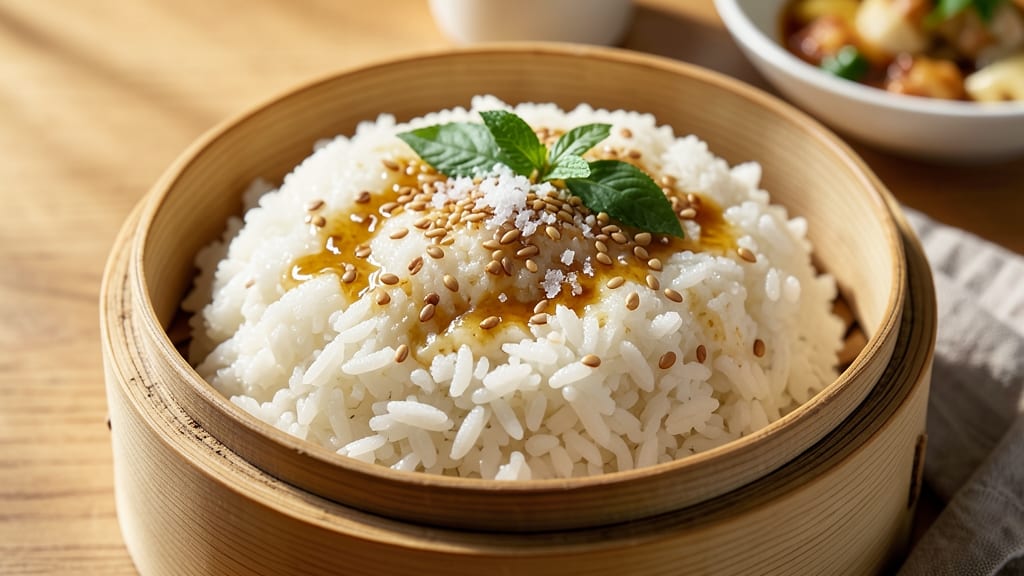
This Chinese steamed rice recipe delivers the fragrant, perfectly fluffy jasmine grains that elevate every meal. The secret lies in precise rice-to-water ratios and gentle steaming—whether using a traditional bamboo steamer or modern rice cooker.
I've refined this method over years to ensure each grain remains separate yet tender, with that signature floral aroma that defines authentic Chinese cuisine.
The foundation starts with high-quality jasmine rice, rinsed until the water runs clear but not mushy. Lightly toasting the rice in a dry pot first enhances its natural nutty flavor, while a bamboo steamer creates that signature even steam distribution.
For modern kitchens, a rice cooker with a steaming function works beautifully—just adjust the water ratio slightly. The result? Grain-perfect rice with a delicate floral scent that transforms ordinary meals into restaurant-quality experiences.
What makes this recipe truly special is its versatility—serve it as a side for stir-fries, pair it with braised meats, or enjoy it solo with a sprinkle of toasted sesame seeds. The texture is light yet satisfying, with each grain maintaining its shape while absorbing just enough moisture.
This is the kind of rice that makes you appreciate why it's a staple across Chinese households and restaurants alike.
Whether you're preparing for a family gathering or a quiet weeknight dinner, this method delivers consistent results every time. The key is patience—allowing the rice to steam undisturbed until all the water is absorbed creates that signature fluffy texture.
Master this technique, and you'll have restaurant-quality steamed rice at home with minimal effort.
Ingredients for chinese steamed rice
Jasmine rice, precise ratios, and gentle steaming create restaurant-quality Chinese rice at home.
| Ingredient | Amount | Notes |
|---|---|---|
| Jasmine Rice 🍚 | 1 ½ cups | Uncooked, long-grain variety |
| Water 💧 | 1 ½ cups | Room temperature preferred |
| Sesame Seeds 🥜 | 1 tbsp | Toasted lightly for aroma |
| Vegetable Oil 🫒 | 1 tbsp | For toasting rice |
| Salt 🧂 | ½ tsp | Fine sea salt preferred |
| Bamboo Steamer 🌿 | 1 whole | Or rice cooker with steaming function |
| Steaming Basket 🍜 | 1 whole | Fits your steaming pot |
| Aluminum Foil 📄 | 1 sheet | For covering pot |
| White Peppercorns 🌶️ | ¼ tsp | Ground for subtle flavor |
| Lemon Zest 🍋 | 1 tsp | Fresh, for brightness |
The quality of jasmine rice makes all the difference—look for Thai-grown brands like Thai Kitchen or Mahan in the Asian aisle. The grains should be long, plump, and free of broken pieces. For toasting, a dry pot or wok over medium heat works best; listen for that nutty aroma before adding water. Rinse until water runs clear but don't overdo it—jasmine rice needs some starch to steam properly. A bamboo steamer ensures even steam distribution, but if you're using a rice cooker, opt for one with a dedicated steaming function like the Zojirushi NS-ZCC181 for consistent results.
No bamboo steamer? A metal colander or even a trivet with a heatproof bowl works in a pinch. Short on sesame seeds? Toasted peanuts or cashews add a similar nutty depth. The white peppercorns are optional but enhance the floral notes—substitute with a pinch of black pepper if unavailable. For extra brightness, a squeeze of fresh lime juice at the end works beautifully. The lemon zest can be pre-grated with a fine zester or microplane for convenience, but fresh is always superior.
Steamed rice maintains its texture for 2-3 days in the fridge when stored in an airtight container. For longer storage, freeze portions in single-serving containers for up to 3 monthsdark jar at room temperature for up to 6 months.
Why You'll Love This Recipe
- Four-Ingredient Magic: I swear by this—just rice, water, oil, and sesame seeds. That’s it. No fancy gadgets, no measuring cups that don’t fit, just a pot and 20 minutes. Honestly, if you can boil water, you can nail this.
- Fragrant Every Bite: The jasmine rice steams into fluffy clouds with that signature floral aroma, and the toasted sesame seeds? They add this nutty crunch that makes it taste like a restaurant dish. Between us, my kids ask for seconds before the plate even hits the table.
- Leftover Hero: This rice stays perfect for days—no soggy mess, no weird textures. I make a big batch on Sunday, and it’s my go-to for lunches, fried rice, or just reheated with a fried egg. (Yes, even on a Tuesday night.)
- Budget Staple: A bag of jasmine rice lasts forever, and the other ingredients? Pennies. This is the kind of meal that stretches your grocery money without sacrificing flavor. My wallet and my taste buds thank me.
Step-by-step instructions for Chinese steamed rice
Mastering this technique transforms simple jasmine rice into a fragrant, aromatic centerpiece worthy of any Chinese feast.
Toast the Sesame Seeds and Rice
Heat a dry skillet over medium-low heat and add the 1 tablespoon sesame seeds. Toast them for 2-3 minutes until they turn a rich golden brown and release their nutty aroma—this is your first layer of flavor. Remove them immediately and set aside, reserving the skillet for the next step.
In the same skillet, add the 1 tablespoon vegetable oil and swirl to coat. Add the 1.5 cups jasmine rice and stir constantly for 1-2 minutes until each grain becomes translucent at the edges and the rice emits a toasty scent. This step prevents the rice from becoming mushy by developing a delicate crust on each grain. Work quickly—over-toasting can make the rice bitter.
Prepare the Steaming Setup
Place the steaming basket inside the bamboo steamer and position it over a pot filled with 2 inches of water (this creates steam without direct contact). Bring the water to a rolling boil over high heat, then reduce to medium-high heat to maintain a steady steam. The water should never touch the basket—this ensures clean, fluffy rice rather than soggy grains.
While the steamer heats, combine the toasted rice with the 1.5 cups water, 0.5 teaspoon salt, 0.25 teaspoon ground white peppercorns, and 1 teaspoon lemon zest in a large bowl. Gently stir just until the lemon zest and salt are evenly distributed—overmixing develops gluten and makes the rice dense. Let the mixture sit for 10 minutes to allow the rice to absorb some liquid and the flavors to meld.
Steam to Perfect Texture
Transfer the rice mixture to the steaming basket, spreading it evenly in a single layer. Cover the steamer with the aluminum foil to trap steam and prevent condensation from dripping onto the rice. Return the steamer to the pot and steam over medium heat for 15 minutes. Avoid opening the steamer during this time—each interruption releases steam and extends cooking time.
After 15 minutes, remove the foil and check for doneness. The rice should appear tender and slightly glossy, with a small amount of water remaining at the bottom of the steamer. If the rice still feels firm in the center, steam for an additional 2-3 minutes. The key is achieving a texture that's tender yet still holds its shape—like a cloud with a slight bite.
Rest and Garnish
Turn off the heat and let the steamed rice rest in the basket for 5 minutes, covered with a clean kitchen towel. This resting period allows the steam to redistribute evenly, ensuring every grain is perfectly cooked. Fluff the rice gently with a fork, then transfer it to a serving dish. Sprinkle the reserved toasted sesame seeds evenly over the top for a final burst of aroma and texture.
The finished rice should have a delicate, floral fragrance with subtle notes of lemon and pepper. Each grain should be separate yet tender, with a slight sheen that indicates proper steaming. Serve immediately while still warm—this rice is best enjoyed fresh, as the aroma intensifies with each bite and the texture softens slightly over time.
Pro Tips For Making Chinese Steamed Rice
- USE COLD RICE: Rinse jasmine rice until the water runs almost clear (not crystal), then soak it for 20-30 minutes. Cold rice absorbs steam more evenly—hot rice just turns mushy when you steam it later.
- SALT THE WATER LIGHTLY: Add just a pinch of salt to the water before steaming (about ¼ teaspoon per cup of rice). Too much makes the grains tough; too little leaves it bland. Taste the water—it should be faintly salty, like the ocean on a calm day.
- STEAM ON HIGH HEAT FIRST: Bring the water to a full boil, then add the drained rice. Cover and steam on high heat for 5 minutes before switching to low. This initial burst of heat locks in moisture—skipping it leads to dry, separated grains.
- TOAST SESAME SEEDS SEPARATELY: Heat sesame seeds in a dry pan over medium-low for 1-2 minutes until golden and fragrant. Sprinkle them over the finished rice just before serving. Raw seeds taste bitter and don’t add texture—this step makes all the difference.
Common mistakes when making this recipe
Over-Rinsing the Rice
Rinsing jasmine rice until the water runs completely clear strips away essential starches that help create that signature sticky yet separate texture. I used to overdo it, thinking more rinsing meant cleaner rice—but that just makes it gummy.
Instead, rinse just until the water is mostly clear (about 3-4 rinses), then drain well. The rice needs some starch to steam properly and develop that delicate floral aroma. 🍚
Skipping the Toasting Step
Many home cooks skip toasting the rice entirely, but this crucial 1-2 minute dry toast in oil develops a nutty depth and prevents mushiness. I once made rice without toasting—it turned out pale and bland.
Use medium-low heat and stir constantly until the grains become translucent at the edges. This step is non-negotiable for authentic texture.
Incorrect Water Ratio
The 1:1 rice-to-water ratio is sacred for jasmine rice steaming. Too much water creates soggy grains, while too little leaves it undercooked. I learned this the hard way when my first attempt yielded a pot of uneven, dry rice.
For 1.5 cups rice, use 1.5 cups water—no more, no less. The rice will absorb all the moisture during steaming, leaving you with perfectly fluffy grains.
Disturbing the Rice While Steaming
Opening the steamer mid-cook releases steam and resets the cooking time, often leading to uneven doneness. I caught myself peeking too early—big mistake! Let the rice steam undisturbed for the full 15 minutes (or until tender).
If you must check, remove the foil briefly and peek through the gaps. Patience here ensures even, cloud-like texture.
Using the Wrong Steaming Method
Not all steaming setups are equal. A bamboo steamer with 2 inches of water below creates ideal indirect steam, but using a tight-fitting lid or direct boiling water turns rice into glue.
I once tried steaming in a covered pot with boiling water—disaster! The rice stuck together like cement. For best results, maintain steady medium heat and keep the water from touching the basket.
Ignoring the Resting Period
Skipping the 5-minute rest after steaming causes the rice to lose its shape as you serve it. I used to transfer it immediately, only to have it collapse into a sad, dense mass.
Let the rice rest covered with a towel—this redistributes steam and locks in that perfect fluffy texture. Fluff gently with a fork after resting for even separation.
Nutrition facts
Frequently asked questions
Can I substitute jasmine rice with basmati or short-grain rice?
Jasmine rice is ideal for its delicate floral aroma and separate grains, but you can use long-grain basmati in a pinch. Short-grain rice like sushi rice will turn out sticky and clump together. For basmati, use the same 1:1 rice-to-water ratio but reduce steaming time to 12-13 minutes—it cooks faster. The texture will be less fragrant but still fluffy.
How do I make this in a rice cooker without a steaming function?
Use your rice cooker's white rice setting with 1.5 cups jasmine rice and 1.25 cups water (reduce by 15% to prevent mushiness). After cooking, let it sit for 5 minutes with the lid slightly ajar to release excess steam. Fluff gently with a fork and transfer to a serving dish. The texture won't be as light as steamed rice, but it'll be tender and aromatic.
Why does my steamed rice turn out sticky or mushy?
Over-rinsing removes starches needed for texture, or too much water creates steam that turns rice into glue. Stick to 3-4 rinses until water is mostly clear, and use the exact 1:1 ratio. Also, check your steamer setup—if water touches the basket, it'll make rice soggy. A bamboo steamer with 2 inches of water below is key.
Can I make this ahead of time for a buffet?
Steamed rice is best served fresh, but you can prep it 1 day ahead if stored properly. Cool completely, then refrigerate in an airtight container. Reheat by steaming for 5-7 minutes (cover with foil and place over 1 inch of boiling water). For buffets, keep rice covered and reheat portions in batches to maintain texture. The aroma fades slightly over time, but reheating restores most of it.
What's the secret to getting that signature floral aroma?
The aroma comes from toasting the rice properly and using fresh jasmine rice. After toasting in oil, steam gently over medium heat (not high) to preserve delicate flavors. Add a pinch of white pepper and lemon zest during steaming to enhance the floral notes. Avoid overcooking—rice should be tender but still firm to the bite. Freshly toasted sesame seeds add another aromatic layer!