
Salads
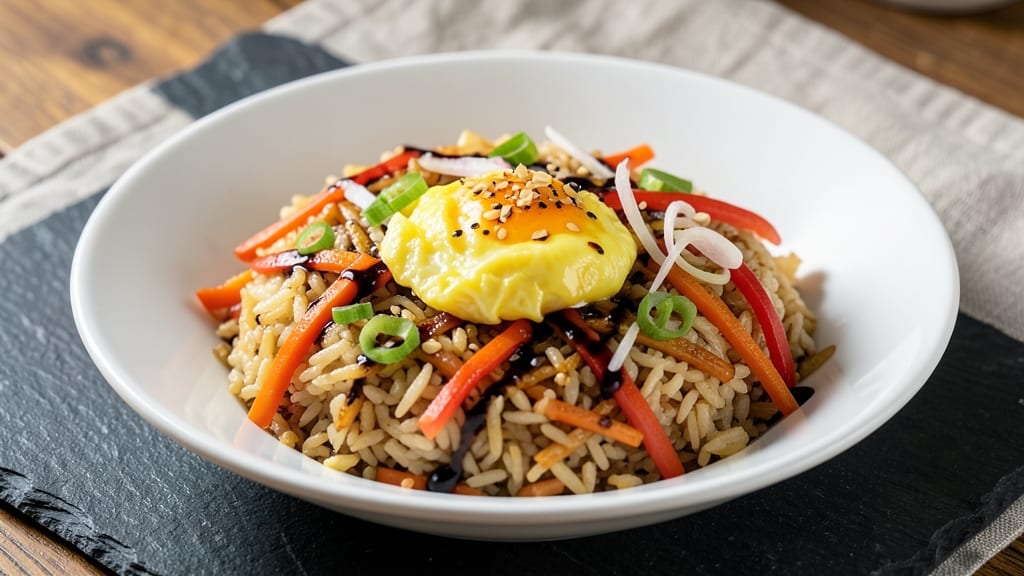
Mastering Chinese vegetable fried rice with egg delivers that signature smoky wok heat and scrambled egg creaminess that turns simple ingredients into a restaurant-worthy dish. The secret lies in high-heat stir-frying and perfectly timed egg incorporation—techniques that transform day-old rice into fragrant, savory bites with crisp edges and tender centers.
This recipe builds on classic wok hei principles while keeping it accessible for home cooks. We'll cover everything from proper rice preparation to achieving that signature egg texture that melts into each grain.
With just 15 minutes of active cooking time, you'll have a dish that's both comforting and impressive—ideal for weeknight dinners or meal prep.
Ingredients for chinese vegetable fried rice recipe with egg
Transform simple pantry staples into restaurant-quality fried rice with smoky wok heat.
| Ingredient | Amount | Notes |
|---|---|---|
| Day-Old Cooked White Rice 🍚 | 4 cups | Cold, preferably from 1-2 days ago |
| Large Eggs 🥚 | 4 whole | Room temperature for even cooking |
| Red Bell Pepper 🍅 | 1 whole | Diced into 0.5-inch pieces |
| Carrots 🥕 | 2 medium | Julienned into thin matchsticks |
| Green Onions 🧅 | 4 whole | Sliced into 1-inch pieces |
| Fresh Ginger 🌿 | 1 inch | Mince finely for aromatic base |
| Garlic Cloves 🧄 | 4 cloves | Minced for aromatic depth |
| Vegetable Oil 🫒 | 3 tbsp | High smoke point preferred |
| Low-Sodium Soy Sauce 🍶 | 3 tbsp | For umami depth |
| Sesame Oil 🫒 | 1 tbsp | Toasted for nutty aroma |
| White Pepper 🌶️ | ½ tsp | Freshly ground for subtle heat |
| Salt 🧂 | ½ tsp | Diamond Crystal preferred |
| Shaoxing Wine 🍷 | 1 tbsp | Or substitute dry sherry |
The rice is non-negotiable—day-old, cold rice yields perfect texture. Day-old jasmine or basmati works best, but any white rice will do. For extra authenticity, steam rice slightly underdone the day before and spread it on a tray to cool quickly. The high-heat stir-fry is key: use a wok or cast-iron skillet. Costco or restaurant supply stores carry excellent woks if you're investing in one. Avoid nonstick pans—they can't handle the high heat needed for wok hei.
No Shaoxing wine? Dry sherry or mirin works in a pinch, though Shaoxing adds that distinct fermented depth. Fresh ginger and garlic should be minced finely—almost paste-like for maximum flavor infusion. The soy sauce matters: low-sodium versions prevent over-salting while still delivering umami. For the eggs, room temperature ensures even cooking—cold eggs curdle at high heat. If you're short on time, microwave the eggs 30 seconds to bring them to room temperature.
This dish reheats beautifully—stir-fry again briefly over medium heat with a splash of water to restore crispness. Store leftovers in an airtight container for 3-4 days in the fridge. For longer storage, freeze portions for up to 3 months. The sesame oil should be added last—it burns easily at high heat. If making ahead, keep the sesame oil separate and add it fresh before serving to preserve its delicate aroma.
Why You'll Love This Recipe
- One-Pan Magic: I swear by this recipe when I’m too tired to wash dishes. Scramble the eggs first, then toss in the veggies and rice—all in the same pan. The bell pepper adds a sweet crunch, while the carrots soften just enough to soak up every bit of flavor. No extra pots, no extra cleanup.
- Umami Bomb: That crispy egg nestled in the rice? Absolute perfection. The soy sauce and garlic powder hit like a flavor punch, but the real star is the wok hei—just a quick sear on high heat gives it that smoky, restaurant-quality kick. Even my picky husband doesn’t skip seconds.
- Lunchbox Hero: Between us, this is my go-to for meal prep. Pack it in containers, and it stays fresh for days—no soggy rice here. The green onions add a bright finish, and the veggies hold up better than takeout. Honestly, I’ve sent this to work with my kids more times than I can count.
- Budget Win: I make this when the fridge needs emptying. Carrots, bell peppers, and eggs are cheap, and day-old rice? That’s just free. It stretches easily for four, and leftovers reheat like a dream. My wallet and my family thank me every time.
Step-by-step instructions for vegetable fried rice with egg
Master the wok technique here—high heat, quick movements, and perfect timing transform simple ingredients into restaurant-quality fried rice.
Prepare the Vegetable Base
In a large wok or skillet, heat 2 tablespoons vegetable oil over high heat until shimmering. Add the minced ginger and garlic cloves, stirring constantly for 30 seconds until fragrant—this aromatic foundation is non-negotiable for authentic flavor. Add the julienned carrots and diced red bell pepper, stirring for 2 minutes until the vegetables soften but retain their texture. The key is to keep them vibrant and slightly crisp.
Push the vegetables to one side of the wok and add the remaining 1 tablespoon vegetable oil. Toss in the sliced green onions, cooking for 1 minute until they just begin to wilt. This layered cooking technique ensures each vegetable component develops its own texture while maintaining balance in the final dish. If the vegetables release too much moisture, drain excess liquid from the wok—this prevents a soggy fried rice.
Scramble the Eggs to Creamy Perfection
Push the vegetable mixture to one side again and add another 1 tablespoon vegetable oil to the empty space. Pour in the beaten eggs (crack them into a bowl first and whisk vigorously), letting them sit undisturbed for 10 seconds to set slightly at the bottom. Using a spatula, gently push the eggs from the edges toward the center, creating soft, silky curds that form a delicate nest. This technique creates the signature creamy egg texture that distinguishes great fried rice from good.
Continue folding the eggs until they're 80% cooked—just until they're no longer runny but still slightly moist. Remove the egg mixture from the wok and set aside temporarily. The eggs should be creamy and slightly glossy, not dry or rubbery. This is the moment that matters: overcooking eggs here will make them tough, while undercooking risks raw egg in your final dish.
Combine Rice and Seasonings
Return the wok to high heat and add the 4 cups day-old cooked white rice, breaking up any clumps with your spatula. Stir-fry for 2 minutes to reheat the rice and release its starches—this is what creates that signature sticky texture. Add the 1 tablespoon Shaoxing wine and 3 tablespoons low-sodium soy sauce, stirring vigorously to coat every grain of rice. The wine adds depth while the soy sauce provides that essential umami punch.
Sprinkle the ½ teaspoon white pepper and ½ teaspoon salt over the rice, stirring to distribute evenly. Taste a grain—it should be seasoned but not overwhelming. If needed, add a splash of water (1-2 tablespoons) to help the rice cling together. The rice should now be hot, aromatic, and properly seasoned. This is where the magic happens: the rice absorbs all the flavors while maintaining its distinct texture.
Finish with High Heat and Sesame Oil
Return the scrambled eggs to the wok and toss everything together for 1-2 minutes over high heat, stirring constantly to prevent burning. The goal is to create a cohesive dish where every bite contains rice, vegetables, and egg in perfect harmony. Watch the wok closely—fried rice burns faster than you think. When the mixture is piping hot and the edges begin to crisp slightly, remove it from heat.
Drizzle with 1 tablespoon sesame oil and toss one final time. The sesame oil should coat the rice, adding a nutty aroma and glossy sheen. Transfer immediately to serving plates and garnish with additional sliced green onions. Serve while steaming hot—this dish loses its best qualities as it cools. The final result should be a vibrant medley of textures: crisp-tender vegetables, creamy eggs, and perfectly seasoned rice, all united by that signature wok hei (breath of the wok) aroma.
Pro Tips For Making Chinese Vegetable Fried Rice Recipe With Egg
- CRISP THE RICE FIRST: Toss your cold rice in a wire basket under the broiler for 3-4 minutes before frying—it’ll dry out the surface just enough to get that perfect chewy bite. I learned this the hard way after making mushy fried rice for years; the broiler’s dry heat works better than microwaving.
- SCRAMBLE EGGS SEPARATELY: Cook the eggs in a clean, dry pan first until just set, then set aside. Frying them with the veggies later means they’ll stay soft and creamy instead of rubbery—no one wants eggy fried rice. (Yes, even if you’re impatient like me.)
- CHOP VEGGIES UNIFORM: Cut carrots into matchsticks and bell peppers into ½-inch dice—smaller pieces cook faster and soak up the wok hei better. I used to leave them in big chunks, and half the veggies would turn to mush while the rest stayed crunchy.
- SAVOR THE GREEN ONIONS: Reserve half the chopped green onions to stir in at the very end—they’ll wilt into the rice and add freshness instead of turning bitter. My grandmother swore by this, and she was right: the last-minute toss makes all the difference.
Troubleshooting great chinese vegetable fried rice recipe with egg
Rice Texture Gone Wrong
If your fried rice turns out mushy instead of crisp-tender, you likely used freshly cooked rice. The starches need time to dry out—day-old rice is non-negotiable. Spread freshly cooked rice on a tray and refrigerate for 1-2 hours before using.
For extra insurance, microwave the rice for 1 minute to dry it further before stir-frying. 🌡️
Eggs Too Dry or Rubbery
Overcooking the eggs is a common mistake. Remove them from the wok when they're 80% cooked—still slightly moist but not runny. For extra creaminess, whisk the eggs vigorously before cooking and use room-temperature eggs (microwave for 30 seconds if needed). Avoid stirring aggressively—gentle folding preserves that silky texture. 🥚
Vegetables Overcooked or Soggy
Vegetables lose their crispness when overcooked. Stir-fry them for no more than 2-3 minutes total, working in batches if needed. Use high heat and keep the wok moving constantly. If veggies release too much moisture, drain excess liquid immediately—this prevents a watery fried rice. 🥕
Flat or Bland Flavor
Flavor fades when you skip the aromatic base. Always cook the ginger and garlic until fragrant (30 seconds) before adding other ingredients. Use low-sodium soy sauce for umami depth, and finish with sesame oil (added last to preserve its aroma).
A splash of Shaoxing wine or dry sherry elevates the dish significantly. 🍶
Sticky or Clumpy Rice
Starchy rice clumps when overworked. Break up clumps gently with your spatula while stir-frying, and add 1-2 tablespoons water if needed to help the rice cling together. Avoid pressing down on the rice—this creates a dense, gummy texture. The rice should be hot and slightly sticky but still distinct. 🍚
Burnt or Uneven Cooking
Fried rice burns quickly at high heat. Keep the wok moving constantly and reduce heat slightly if you notice browning. Use a wok or cast-iron skillet—nonstick pans can't handle the high heat needed for proper texture.
If the rice sticks, add a tiny bit of oil to the wok before stirring. ⚡
Nutrition facts
Frequently asked questions about Chinese vegetable fried rice with egg
Why does my fried rice turn out soggy?
Soggy fried rice usually means two things: using fresh rice (the starches need time to dry out) or overcrowding the wok. Always use day-old rice and spread it on a tray to cool completely. Also, cook in batches if needed—overcrowding steams the rice instead of crisping it.
Can I make this recipe without a wok?
A heavy-bottomed cast-iron skillet works perfectly. The key is high heat—just make sure your pan can handle it. If your pan is too small, cook the vegetables in batches to avoid steaming. A nonstick pan won't give you that signature wok hei flavor, but it'll still taste delicious.
What vegetables can I substitute if I don't have bell peppers or carrots?
Any crunchy, colorful vegetables work well—try broccoli florets, snap peas, or corn kernels. For extra umami, add shiitake mushrooms or water chestnuts. Just chop them uniformly so they cook evenly. The goal is to keep the dish vibrant and textured.
How do I get that perfect creamy egg texture?
Whisk the eggs vigorously before cooking and use room-temperature eggs (microwave for 30 seconds if cold). Let them sit undisturbed for 10 seconds after pouring into the wok, then gently fold until 80% cooked. Avoid over-stirring—this creates silky curds instead of dry chunks.
Can I make this ahead of time?
Yes! Store leftovers in an airtight container for 3-4 days in the fridge. To reheat, stir-fry again briefly over medium heat with a splash of water to restore crispness. For freezing, portion before adding sesame oil (add fresh when reheating). The texture holds up better than you'd expect!