
Main Courses
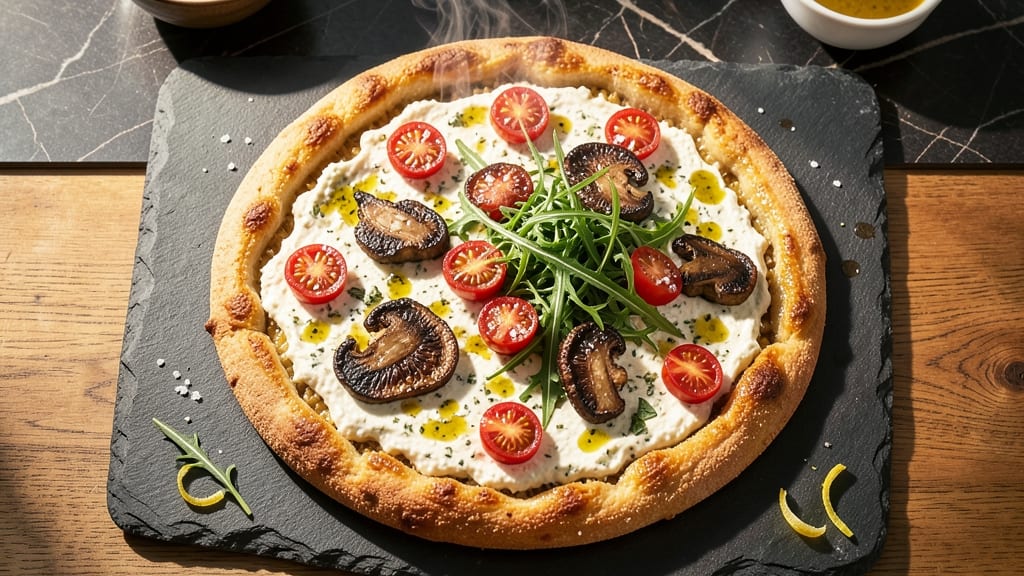
This brown rice flour pizza crust delivers the perfect balance of crispy edges and light, airy chew without a hint of gluten or dairy. 🌟 The secret lies in a simple yet precise dough formulation that transforms ordinary rice flour into a sturdy, flavorful base capable of supporting all your favorite vegan toppings.
I developed this recipe after years of experimenting with gluten-free alternatives, and it finally achieves that satisfying snap while staying tender inside.
What sets this crust apart is its versatility—it’s naturally gluten-free, packed with protein, and works beautifully with any sauce or topping combination. The dough requires minimal handling, making it ideal for both beginners and experienced bakers.
Unlike traditional pizza crusts, this version holds its shape during baking while developing a golden, crispy exterior that’s impossible to resist. The key is proper hydration and a brief resting period to let the flour absorb moisture fully.
By the time your pizza emerges from the oven, you’ll have a crust that’s crisp along the edges yet pillowy in the center, with a subtle nutty flavor from the brown rice flour. It pairs perfectly with vegan marinara, cashew cheese, or even a simple olive oil and herb drizzle.
The best part? It’s ready in under 20 minutes of active prep time, with just 10 minutes of baking required for that perfect texture.
Whether you’re accommodating dietary restrictions or simply craving a lighter pizza option, this crust delivers restaurant-quality results at home. The recipe includes adjustments for binding agents like xanthan gum, ensuring flexibility for different flour blends. Let’s get started on creating your next favorite pizza night!
Ingredients for brown rice flour pizza crust
Brown rice flour, tofu, and olive oil transform into a crispy, airy pizza crust that’s gluten-free and vegan-friendly.
| Ingredient | Amount | Notes |
|---|---|---|
| Brown Rice Flour 🌾 | 2 cups | Gluten-free, finely milled preferred |
| Extra-Firm Tofu 🥬 | 8 oz | Blended for binding agent |
| Olive Oil 🫒 | ¼ cup | Extra-virgin for richness |
| Water 💧 | ¾ cup | Room temperature preferred |
| Apple Cider Vinegar 🍎 | 1 tbsp | For elasticity |
| Xanthan Gum 🧪 | ¼ tsp | For gluten-free binding |
| Salt 🧂 | ½ tsp | Sea salt preferred |
| Nutritional Yeast 🧀 | 2 tbsp | For cheesy flavor |
| Garlic Powder 🧄 | 1 tsp | Freshly ground preferred |
| Dried Oregano 🌿 | 1 tsp | Italian or Mediterranean blend |
| Cornstarch 🌽 | 1 tbsp | For crispy edges |
| Vegan Marinara Sauce 🍅 | ½ cup | For topping |
| Vegan Mozzarella Shreds 🧀 | 1 cup | Store-bought or homemade |
The brown rice flour is the star—Bob’s Red Mill or Anthony’s Goods are my go-tos for the finest grind. If you can’t find extra-firm tofu, silken tofu blended with 1 tbsp aquafaba works too. The olive oil should be extra-virgin (the good stuff), and if you’re near a Latin market, Spanish olive oil has a fruity depth that’s perfect. For the xanthan gum, Bob’s Red Mill sells it in tiny packets—just what you need for this recipe.
No nutritional yeast? White miso paste at half the amount gives a similar umami punch. Short on apple cider vinegar? Lemon juice works too, but the flavor will be slightly different. The cornstarch is optional but makes a HUGE difference for that crispy edge—don’t skip it if you want that restaurant-style snap. For the tofu, press it for 15 minutes to remove excess water before blending. And if you’re feeling fancy, add 1 tsp of psyllium husk to the dough for extra chewiness.
This dough keeps for 3 days in the fridge, wrapped tightly in plastic. For best results, let it sit at room temp for 20 minutes before rolling. Freezes beautifully for 2 months—wrap individual portions in parchment and freeze flat. When reheating, 5 minutes at 350°F brings back that crispy perfection. I always make extra dough and freeze it for lazy pizza nights—just thaw and roll!
Why You'll Love This Recipe
- No-Fuss Assembly: I swear, this crust takes less effort than ordering takeout. Blend the brown rice flour, crumbled tofu, olive oil, and water—no kneading, no waiting for dough to rise. The apple cider vinegar does the magic of binding everything together while keeping it light.
- Unexpected Crisp: Honestly, I wasn’t sure how it’d turn out—but that crispy edge with the slightly chewy center? It’s the best of both worlds. The tofu adds a satisfying snap, and the vinegar gives it a subtle tang that balances any topping.
- Meal Prep MVP: Between us, this is my go-to for busy weeks. I’ll make two crusts ahead, store them in the fridge, and toss them in the oven with whatever’s on hand. It’s the kind of recipe that turns a random Tuesday into a “I actually cooked” night.
- Budget-Friendly Flex: Brown rice flour and tofu are cheap staples that stretch further than most pizza dough. I’ll often double the batch, freeze half, and pull it out later—no waste, no guilt. Plus, it’s way cheaper than buying pre-made crusts.
Step-by-step instructions for brown rice flour pizza crust
Here's how to create a gluten-free crust with crispy edges and a light, airy chew—every time!
👨🍳 Step 1: Blend the Tofu and Mix Dry Ingredients
Start by draining and pressing the 8 oz extra-firm tofu to remove excess water. Place it in a food processor and blend until completely smooth—this will act as our egg substitute and binding agent. The texture should be completely creamy with no visible chunks.
In a separate large bowl, whisk together the 2 cups brown rice flour, 0.5 tsp salt, 2 tbsp nutritional yeast, 1 tsp garlic powder, and 1 tsp dried oregano. I like to use a whisk here to avoid developing any gluten-like properties in the flour. The mixture should be completely homogeneous with no flour clumps.
🍳 Step 2: Combine Wet Ingredients for Perfect Dough
To the food processor with blended tofu, add the 0.25 cup olive oil, 0.75 cup water, 1 tbsp apple cider vinegar, and 0.25 tsp xanthan gum. Process until fully combined, about 30 seconds. The xanthan gum is crucial here—it mimics gluten's binding properties in gluten-free baking.
Pour the wet mixture into the bowl with dry ingredients. Add the 1 tbsp cornstarch and mix thoroughly with a spatula until you have a smooth, slightly sticky dough. The consistency should be like thick cookie dough—if it's too dry, add 1 tsp water at a time until it comes together. Don't overmix; just combine until no dry spots remain.
🥘 Step 3: Shape and Pre-Bake the Crust
Preheat your oven to 375°F and line a baking sheet with parchment paper. Divide the dough into 4 equal portions (about 4 oz each) and roll each into a 12-inch circle on the prepared baking sheet. I use a rolling pin with parchment paper underneath to prevent sticking.
Transfer the shaped crusts to the preheated oven and bake for 12-15 minutes until the edges are golden brown and the centers are just set but still slightly soft. You want them firm enough to support toppings but not fully hardened. This pre-baking step is key to preventing a soggy crust later.
🔥 Step 4: Assemble and Bake with Toppings
Remove the crusts from the oven and let them cool for 2 minutes. Working quickly, spread 2 tbsp vegan marinara sauce over each crust (about 2 tbsp per pizza), leaving a ½-inch border for the crust. Sprinkle evenly with ¼ cup vegan mozzarella shreds per pizza.
Return the assembled pizzas to the oven and bake for an additional 8-10 minutes until the cheese is melted and bubbly and the crust edges are deep golden brown. The crust should be crispy around the edges but still tender in the center. If you want extra crispiness, broil for 1-2 minutes at the end, watching closely to prevent burning.
🍽️ Step 5: Rest and Serve for Perfect Texture
Let the pizzas rest for 3-5 minutes after baking. This resting period allows the crust to set slightly and prevents it from being too soft when you cut into it. The cheese should be fully melted with a slight pull when you lift a slice.
Slice each pizza into 6 wedges and serve immediately. You'll notice the perfect balance of textures—a crispy, slightly chewy edge that gives way to a light, airy interior. The nutritional yeast adds a subtle cheesy flavor that pairs beautifully with the marinara and vegan mozzarella. Enjoy while warm for the best experience!
Pro Tips For Making Brown Rice Flour Pizza Crust
- Pre-Blend the Tofu: Drain the extra-firm tofu, wrap it in a clean towel, and press it for 15 minutes—this removes excess water and prevents a soggy crust. I learned this the hard way when my first attempt turned out like a damp sponge.
- Use Warm Water: Mix the brown rice flour with warm (not boiling) water and apple cider vinegar—this helps the dough bind better without overworking the gluten-free flour. Cold water makes the dough stiff and hard to stretch.
- Stretch the Dough Thin: Roll the dough out to about ⅛-inch thickness, especially if using a lot of toppings—this ensures even cooking and a crispier texture. Skip this, and you’ll end up with a chewy, uneven crust.
- Toast the Flour First: Lightly toast the brown rice flour in a dry pan for 2-3 minutes before mixing—this deepens the nutty flavor and reduces the risk of a raw-tasting crust. (Yes, even if you’re impatient like me.)
Serving suggestions for this recipe
Topping Combinations
This crust shines with vegan-friendly toppings that complement its nutty flavor. Start with a base of homemade vegan marinara (simmer 1 can crushed tomatoes, 2 garlic cloves, 1 tsp dried basil, and ½ tsp red pepper flakes) for a rich foundation.
For a classic, add ¼ cup vegan mozzarella shreds and ¼ cup sliced mushrooms sautéed with 1 tsp olive oil and ½ tsp thyme. 🍄
For a Mediterranean twist, swap the marinara for white bean sauce (blend 1 can white beans, 2 tbsp tahini, 1 tbsp lemon juice, and 1 garlic clove) and top with ¼ cup kalamata olives, ¼ cup roasted red peppers, and 2 tbsp vegan feta crumbles.
The tangy sauce balances the crust’s earthiness perfectly.
Sauce Alternatives
Skip the marinara and try cashew alfredo for a creamy option. Blend ½ cup soaked cashews, ¼ cup water, 1 tbsp nutritional yeast, 1 tsp garlic powder, and ½ tsp salt until smooth.
Top with ¼ cup vegan parmesan and ¼ cup steamed broccoli florets. The sauce’s richness contrasts beautifully with the crust’s crisp edges.
A pesto twist works wonders too. Blend 1 cup fresh basil, ¼ cup walnuts, 2 tbsp olive oil, 1 garlic clove, and ½ tsp salt until chunky.
Spread on the crust and add ¼ cup sun-dried tomatoes and ¼ cup artichoke hearts for a vibrant, herby pizza. 🌿
Garnish Ideas
Fresh herbs elevate every bite. Sprinkle 1 tbsp chopped fresh basil or 1 tbsp chopped parsley right before serving to add brightness.
For a smoky kick, drizzle with smoky paprika oil (mix 2 tbsp olive oil with ½ tsp smoked paprika) and finish with a pinch of flaky sea salt. The contrast of textures and flavors is unbeatable.
Add a crunchy element like toasted pine nuts or crispy chickpeas (bake ½ cup chickpeas with 1 tsp olive oil and ½ tsp cumin at 400°F for 20 minutes). The crunch cuts through the softness of the crust and cheese, creating a satisfying bite.
Dipping Sauces
Serve with garlic aioli for dipping—mix ¼ cup vegan mayo, 1 minced garlic clove, 1 tbsp lemon juice, and ½ tsp salt. The creamy sauce balances the crust’s crispiness and adds a zesty kick.
For a lighter option, offer balsamic glaze (simmer ¼ cup balsamic vinegar until reduced by half) drizzled over slices.
A spicy sriracha mayo (combine ¼ cup vegan mayo with 1 tsp sriracha and ½ tsp lime juice) adds heat lovers will adore. The tangy, spicy sauce cuts through the richness of the toppings and crust, making every bite exciting. 🌶️
Nutrition facts
Frequently asked questions
Can I make this crust without xanthan gum?
Yes! If you don’t have xanthan gum, substitute 1 tbsp psyllium husk powder mixed with 3 tbsp water (let it sit for 5 minutes to gel). This will help bind the gluten-free flour. For extra insurance, add 1 extra tbsp olive oil to the dough for better cohesion. The texture will be slightly denser but still delicious.
Why does my crust turn out gummy instead of crispy?
Gummy crusts usually happen from overmixing or insufficient pre-baking. First, ensure you’re pre-baking the crust for 12-15 minutes until golden—this sets the structure. Also, avoid overworking the dough; mix just until combined. If the dough feels too wet, add 1 tbsp cornstarch to dry it out before shaping.
How do I store leftover crust or dough?
Store unused dough in an airtight container in the fridge for 3 days or freeze for 2 months. For pre-baked crusts, wrap tightly in plastic and freeze. To reheat, bake at 350°F for 5 minutes to restore crispiness. Thaw frozen dough in the fridge overnight before using.
Can I use this crust for deep-dish pizza?
Not ideal—this recipe is designed for thin-crust or traditional-style pizzas. The dough is too delicate for deep-dish shapes. For a thicker crust, increase the brown rice flour to 2.5 cups and add 2 tbsp vital wheat gluten (if gluten isn’t a concern) to improve structure. Bake in a deep pan with extra sauce.
What’s the best way to make it gluten-free and nut-free?
This recipe is already nut-free! For extra safety, check your brown rice flour label (some brands process in nut facilities). The tofu provides binding without nuts, and all other ingredients are naturally nut-free. If you’re concerned about cross-contamination, use certified gluten-free and nut-free products throughout.