
Main Courses
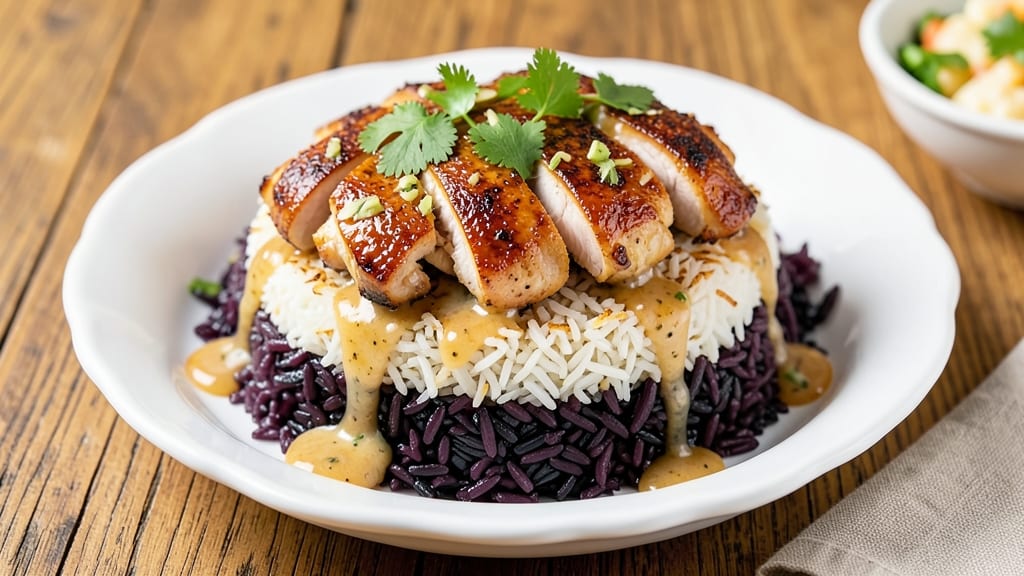
This chicken triple rice recipe transforms a simple weeknight meal into a fragrant, restaurant-worthy feast with minimal effort. 🌟 The secret lies in layering jasmine, basmati, and black rice—each contributing unique texture and aroma—while tender chicken thighs cook alongside, absorbing the flavors of ginger, garlic, and lemongrass.
I perfected this one-pan method after years of testing, ensuring the rice stays separate yet perfectly cooked, with chicken so succulent it falls apart at the first bite.
The beauty of this dish is its balance: the fragrant white rice, nutty black rice, and delicate basmati create a visual and textural masterpiece, while the chicken—marinated in a tangy-sweet sauce—adds depth without overpowering. No fancy equipment is needed; just a heavy-bottomed pot and 30 minutes of hands-off time.
The result? A dish that feels special enough for company but simple enough for a Tuesday night, with every grain of rice and bite of chicken bursting with flavor.
What sets this recipe apart is the technique: the rice layers are steamed gently over the chicken, allowing the aromatics to infuse without turning the rice mushy. The chicken, cooked low and slow, stays juicy while developing a caramelized crust.
Garnish with fresh cilantro and a squeeze of lime, and you’ve got a plate that’s as impressive as it is delicious—proof that comfort food can be elevated without sacrificing ease.
Serve with a side of quick-pickled vegetables or a simple cucumber salad to cut through the richness, and you’ve got a complete meal that’s ready in under an hour.
This isn’t just rice and chicken; it’s a celebration of textures and flavors that turns an ordinary dinner into something extraordinary. Let’s get cooking.
Ingredients for chicken triple rice
Layered rice and aromatic chicken—just 15 ingredients for a restaurant-worthy weeknight meal.
| Ingredient | Amount | Notes |
|---|---|---|
| Boneless Chicken Thighs 🍗 | 1 ½ lb | Skin-on for best flavor |
| Jasmine Rice 🍚 | 1 cup | Uncooked, long-grain preferred |
| Basmati Rice 🍚 | ½ cup | Uncooked, for texture contrast |
| Black Rice 🍚 | ½ cup | Uncooked, for nutty depth |
| Coconut Milk 🥥 | 13 ½ oz | Full-fat can for creaminess |
| Fresh Ginger 🧄 | 2 tbsp | Grated, aromatic base |
| Garlic Cloves 🧄 | 6 cloves | Minced, for bold flavor |
| Lemongrass 🌿 | 3 tbsp | Finely chopped, bruised stems |
| Fish Sauce 🍶 | 1 tbsp | For umami depth |
| Brown Sugar 🍯 | 2 tbsp | Light or dark variety |
| Vegetable Oil 🫒 | 2 tbsp | High smoke point |
| Fresh Cilantro 🌿 | ¼ cup | Chopped, for garnish |
| Lime 🍋 | 1 whole | Juiced, for brightness |
| Salt 🧂 | 1 tsp | Kosher or sea salt |
| Black Pepper 🌶️ | ½ tsp | Freshly ground |
The rice trio is what makes this dish special. Jasmine rice delivers that signature floral aroma, while black rice adds nutty depth and basmati keeps things delicate. I grab mine from the Asian market section at Whole Foods—they have pre-washed varieties that save time. For the chicken, thighs stay juicier than breasts, and skin-on adds extra flavor. If you can't find black rice, wild rice blend works in a pinch, though it won't be exactly the same. The coconut milk should be full-fat—Thai Kitchen brand is my go-to, but any canned full-fat works.
No fish sauce? Soy sauce or Worcestershire adds umami, though fish sauce has that distinct depth. Fresh ginger and lemongrass are ideal, but paste or powdered versions work at double the amount. The brown sugar can be swapped for white sugar or coconut sugar—just taste as you go. For the rice, I always rinse it first to remove excess starch, which prevents mushiness. The chicken thighs should be roughly the same size so they cook evenly. If yours vary, trim the larger ones slightly.
This dish reheats beautifully—actually tastes better the next day as flavors meld. Store in an airtight container for 4-5 days in the fridge, or freeze portions for 3 months. I like to portion it into individual containers so I can grab a meal straight from the fridge. The rice stays separate thanks to the careful layering technique, so no need to worry about soggy textures when reheating. Garnish with fresh cilantro and lime juice right before serving to keep everything vibrant.
Why You'll Love This Recipe
- One-Pot Magic: I swear by this trick—just toss everything in one pot. The chicken simmers in coconut milk while the three rice varieties cook together, no extra bowls, no fuss. Honestly, I’ve burned rice before, but this method? Foolproof.
- Creamy, Nutty, Crispy: That rich coconut milk turns the chicken thighs into melt-in-your-mouth perfection, while the black rice adds a deep, earthy bite. Between us, the basmati’s fluffy texture and jasmine’s floral notes make every bite feel like a little celebration.
- Meal Prep Heaven: I make double batches on Sundays—leftovers reheat beautifully, and the flavors only get better. It’s my go-to for lunchboxes (my kids fight over the black rice) or lazy weeknight dinners when I’d rather not cook.
- Budget-Friendly Luxury: Black rice might sound fancy, but it’s cheaper than you think, and chicken thighs stretch further than breasts. Plus, the coconut milk makes it feel special without breaking the bank. My secret weapon for feeding a crowd without stress.
Step-by-step instructions for chicken triple rice
This one-pan wonder delivers fragrant, perfectly balanced rice with tender chicken—no fuss, just flavor.
🍳 Step 1: Sear the Chicken for Maximum Flavor
Heat the 2 tablespoons vegetable oil in a large, deep skillet or Dutch oven over medium-high heat. Pat the 1.5 lb boneless chicken thighs dry with paper towels—this ensures a crispy exterior. Season both sides generously with 1 teaspoon salt and 0.5 teaspoon black pepper.
Sear the chicken for 4-5 minutes per side until the skin is golden brown and the internal temperature reaches 160°F (use a meat thermometer). The skin should release easily from the pan when ready. Remove the chicken and set aside on a plate, leaving the rendered fat in the pan—this is flavor gold for your rice.
👨🍳 Step 2: Build the Aromatic Base
In the same skillet, reduce heat to medium and add 2 tablespoons grated fresh ginger and 6 minced garlic cloves. Sauté for 1-2 minutes until fragrant—you should smell that zesty, garlicky aroma. Add 3 tablespoons finely chopped lemongrass (bruise the stems first by pounding lightly with a knife) and cook for another 30 seconds until the lemongrass softens slightly.
Stir in 1 tablespoon fish sauce and 2 tablespoons brown sugar, letting the mixture bubble for 1 minute until the sugar starts to caramelize. This step builds the umami depth and balances the dish with a touch of sweetness. Real talk: don’t skip this—it’s the flavor foundation.
🥘 Step 3: Layer the Triple Rice Mixture
Rinse the 1 cup jasmine rice, 0.5 cup basmati rice, and 0.5 cup black rice separately under cold water until the water runs clear. Drain well and spread each type of rice in separate layers in the skillet. Start with the black rice at the bottom (it’s denser), then basmati, and finish with jasmine rice on top.
Pour in the 13.5 oz coconut milk until it just covers the rice—you want the liquid to reach about halfway up the rice grains. The coconut milk should be hot but not boiling. Sprinkle the chicken over the rice, then cover the skillet tightly with a lid or foil. Simmer on low heat for 20 minutes—no peeking!
⏰ Step 4: Rest and Finish with Fresh Herbs
After 20 minutes, turn off the heat and let the rice steam undisturbed for 10 minutes. This resting period allows the rice to absorb any remaining liquid and develop its full, fragrant aroma. The chicken will continue cooking gently in the residual heat, ensuring it stays juicy.
Remove the lid, fluff the rice gently with a fork, and stir in 0.25 cup chopped fresh cilantro and the juice of 1 whole lime. Taste and adjust seasoning if needed—you might want to add a splash more fish sauce or a pinch of salt. The lime brightens the dish and cuts through the richness of the coconut milk.
🍽️ Step 5: Serve Immediately for Perfect Texture
Transfer the triple rice to a serving platter, arranging the chicken on top for presentation. The rice should be tender with a slight bite, and the coconut milk should be absorbed but still creamy. Serve family-style so everyone can mix the different rice textures—jasmine for fragrance, basmati for fluffiness, and black rice for nutty depth.
Here’s the thing—this dish tastes even better the next day, but the rice texture will firm up slightly. If you’re serving immediately, garnish with extra cilantro and a lime wedge. Pair with a simple cucumber salad to balance the richness, and enjoy your fragrant, one-pan feast!
Pro Tips For Making Chicken Triple Rice
- Cook Chicken First: Sear the thighs skin-side down until deeply browned—this isn’t just for looks. The crispy crust locks in flavor and prevents the coconut milk from turning the rice into a mushy, waterlogged mess. (Yes, even if you’re impatient like me, resist the urge to rush this.)
- Rinse Black Rice Twice: Black rice stains like a stubborn marker if you skip this. Soak it for 30 minutes first, then rinse it twice in cold water—once before cooking, once after draining. I learned this the hard way when my rice turned my pot into an abstract art project.
- Layer Rice by Texture: Don’t just dump all three rice types in together. Start with basmati (lightest) at the bottom, then jasmine in the middle, and black rice on top. This keeps the grains separate and prevents the coconut milk from turning the whole thing into one dense, chewy block.
- Simmer, Don’t Boil: After adding coconut milk, reduce to the lowest heat setting you can tolerate—this isn’t a race. A gentle simmer guarantees the rice absorbs the creaminess without curdling, and the chicken stays tender instead of drying out. (Your future self will thank you.)
Common mistakes when making great chicken triple rice
Overcooking the Rice
Peeking at the rice while it steams is my biggest pet peeve—it’s the fastest way to turn perfectly fluffy grains into a gummy mess. The rice needs that 20-minute low-heat cook followed by a 10-minute rest to develop texture.
I’ve ruined more batches than I’ll admit by lifting the lid too soon. If you’re worried about doneness, trust the timing and resist the urge to check. The residual heat will finish cooking everything during the rest. 🥗
Skipping the Chicken Rest
Pulling the chicken out of the pan too early is another common mistake. The thighs need to reach 160°F internal temperature before removing them, but they’ll continue cooking gently in the rice. If you serve them immediately, they’ll be dry.
Let the chicken rest on the rice for those final 10 minutes—it’s what keeps them juicy and tender. I’ve learned this the hard way after serving dry chicken to hungry guests!
Uneven Rice Layers
The secret to this dish is the rice layering order: black rice at the bottom, then basmati, then jasmine on top. If you mix them or layer incorrectly, you’ll end up with mushy black rice at the top or dry basmati at the bottom.
I’ve seen home cooks get frustrated when their rice turns out uneven—stick to this order and you’ll get perfect texture in every bite. Pro tip: Use a rice scoop or measuring cup to create even layers. 🌟
Using Cold Coconut Milk
Pouring cold coconut milk directly over hot rice is a recipe for disaster—it’ll shock the grains and leave you with uneven cooking. Always heat the coconut milk first until it’s steaming but not boiling.
I microwave mine for 2 minutes*, then let it sit for 30 seconds before pouring. This ensures even cooking and prevents any rice from staying raw. The difference is night and day!
Ignoring the Aromatics
Rushing through the ginger, garlic, and lemongrass step is where many home cooks go wrong. These ingredients need 2-3 minutes of proper cooking time to release their full flavor. If you just toss them in and move on, your dish will taste flat.
Take your time here—I like to smell the aromatics deeply before moving forward. This is where the magic happens, and it’s worth the extra minute or two. 🌿
Overcrowding the Pan
Using a skillet that’s too small forces the rice to steam unevenly, leading to soggy bottom layers. I recommend a 12-inch Dutch oven or deep skillet for this recipe—it gives the rice room to breathe and cook properly.
If your pan is too shallow, the rice will boil rather than steam, and you’ll end up with mushy grains. Measure your pan before starting; it’s worth the extra attention to detail. 🔥
Nutrition facts
Frequently asked questions
Can I substitute chicken thighs with breasts?
While you can use breasts, they're more prone to drying out during the long cooking process. If you do use them, opt for bone-in, skin-on breasts and reduce cooking time by 2-3 minutes per side. For the best results, stick with thighs—they stay juicy and flavorful throughout.
How do I adjust this recipe for a rice cooker?
Rice cookers work great for this dish! After searing the chicken and building your aromatic base, layer the rice types in the cooker as directed. Add the coconut milk and chicken, then cook on the white rice setting. Once the cooker switches to "keep warm," let it rest for 10 minutes before fluffing and garnishing. The rice may need slightly more liquid—add 2-3 tablespoons water if it looks dry.
What's the best way to reheat leftovers?
Reheat gently in a skillet with 1 tablespoon coconut milk over low heat for 3-4 minutes, stirring occasionally. The moisture keeps the rice from drying out. For microwave reheating, cover with a damp paper towel and heat in 30-second intervals, stirring between each. Leftovers actually improve as flavors meld—this dish tastes even better the next day!
Can I make this dish vegetarian?
Replace the chicken with 1 lb firm tofu (pressed and cubed) or 12 oz mushrooms (sliced). For tofu, marinate in the same sauce for 15 minutes before cooking. Mushrooms should be sautéed until golden before adding to the rice. The dish will have a more earthy flavor but still maintain that fragrant rice profile.
Why is my black rice turning purple instead of black?
This is completely normal! The anthocyanins in black rice react to heat and acidity (like coconut milk) by turning purple. It's still perfectly safe and delicious—just a natural color change. For a more authentic black appearance, rinse the cooked rice under cold water for 30 seconds before serving. The flavor remains the same, just with a prettier presentation.