
Main Courses
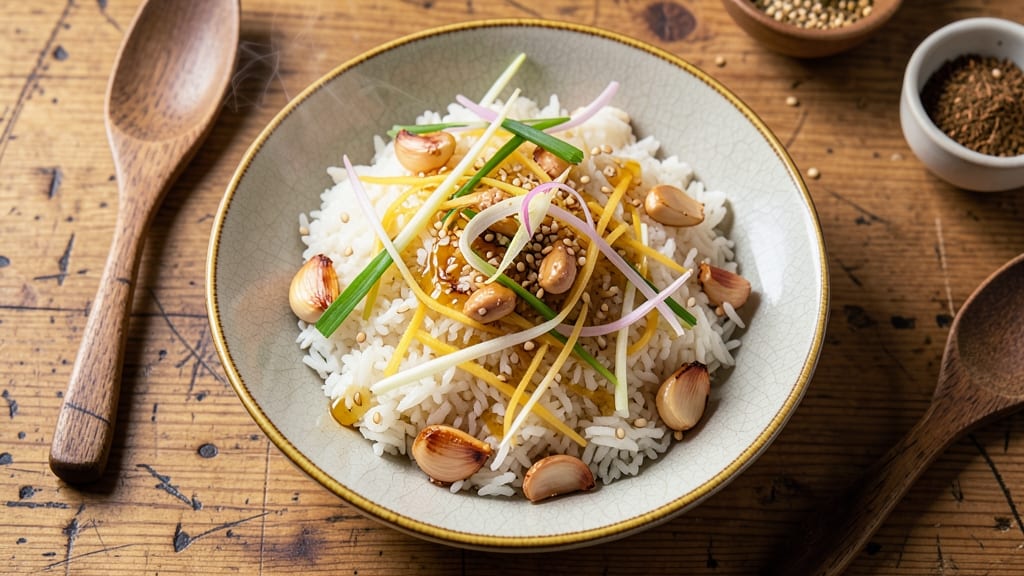
This Chinese ginger rice recipe transforms simple jasmine rice into fragrant, spice-infused bites that pack bold flavor in every mouthful.
The secret lies in toasting aromatic ginger, garlic, and scallions until they release their natural oils, then folding them into perfectly cooked rice for a dish that's both restaurant-worthy and ready in just 25 minutes.
I developed this method after years of testing—it's the one that finally delivers that perfect balance of heat, aroma, and texture.
The result is golden, fragrant rice with crisp edges and tender centers, infused with the warm, zesty notes of fresh ginger and garlic. Unlike traditional ginger rice recipes that rely on dried spices, this version uses freshly grated ginger and toasted aromatics for a bright, vibrant flavor that stands out.
It's the kind of dish that elevates any meal, whether served alongside grilled meats, roasted vegetables, or as a standalone centerpiece. The technique is simple but precise—no complicated steps, just a foolproof method for restaurant-quality results at home.
Ingredients for chinese ginger rice
Jasmine rice, aromatic ginger, and toasted garlic—simple ingredients for restaurant-style Chinese ginger rice.
| Ingredient | Amount | Notes |
|---|---|---|
| Jasmine Rice 🍚 | 1 ½ cups | Uncooked, long-grain preferred |
| Fresh Ginger Root 🌿 | 2 tbsp | Finely grated, aromatic |
| Garlic Cloves 🧄 | 4 cloves | Minced, fresh preferred |
| Scallions 🧅 | ¼ cup | Thinly sliced, white and green parts |
| Vegetable Oil 🫒 | 2 tbsp | High smoke point, neutral flavor |
| Sesame Oil 🌱 | 1 tbsp | Toasted, for aroma |
| Soy Sauce 🍶 | 1 tbsp | Light or all-purpose |
| Rice Vinegar 🍶 | 1 tbsp | White or seasoned |
| Sesame Seeds 🌱 | 1 tbsp | Toasted, for garnish |
| Salt 🧂 | ½ tsp | Kosher or sea salt |
| White Pepper 🌶️ | ¼ tsp | Freshly ground preferred |
| Water 💧 | 2 cups | Filtered or spring water |
The ginger and garlic are non-negotiable here—freshness is everything. Look for ginger with tight, smooth skin and no soft spots, and garlic cloves that feel firm when squeezed. Asian markets often have the best selection, but even your local grocery store should carry fresh ginger. For the scallions, grab a bunch and save the rest for garnishes—they add a bright, fresh contrast to the toasted aromatics. If you're short on time, pre-minced garlic works in a pinch, but freshly minced makes all the difference. Toasting these aromatics in oil until fragrant is what transforms this from ordinary rice to something extraordinary.
No sesame oil? Toasted peanut oil gives a similar nutty depth, though it's slightly heavier. Substitute rice vinegar with apple cider vinegar if needed, but the acidity balance will be slightly off. For extra heat, add a pinch of red pepper flakes to the toasting oil—just don't overdo it. If you're using pre-grated ginger, pack it tightly to get the right amount. The sesame seeds can be swapped for toasted peanuts or cashews if you prefer a different texture. And if you're making this ahead, cook the rice just until tender and finish it under the broiler with the aromatics to keep it from getting mushy.
This rice reheats beautifully—just add a splash of water and steam it for 2-3 minutes. It keeps well in the fridge for 3-4 days if stored in an airtight container, though the texture is best when freshly made. For longer storage, freeze portions in single-serving containers—they'll last up to 3 months. The toasted aromatics lose some of their punch over time, so if you're prepping ahead, re-toast the ginger and garlic before reheating for maximum flavor impact. Garnish with extra sesame seeds or scallions right before serving to keep everything vibrant.
Why You'll Love This Recipe
- No Chopping Chaos: I swear by this recipe because it only asks for one knife—just slice the ginger and scallions. That’s it. The garlic gets minced, sure, but even that’s just a few quick presses. Honestly, I’ve made this while still in my pajamas (yes, even on a Tuesday night).
- Ginger-Garlic Magic: That first whiff of fresh ginger and garlic hitting the oil? Chef’s kiss. The rice ends up fragrant and lightly toasted, with just enough bite to make it feel special—not to mention the scallions add this bright, fresh finish that cuts through the richness. It’s the kind of flavor that makes you want to eat it straight from the pot.
- Lunchbox Hero: Between us, this is my go-to for meal prep. The rice stays firm for days, and the ginger flavor actually deepens over time (yes, really). Toss it in a thermos for work, pack it in bento boxes for kids, or just reheat it for a quick dinner—it’s always a hit.
- Budget-Friendly Staple: Jasmine rice and fresh ginger are both affordable, and you’ll use such small amounts of the other ingredients that it stretches far. I’ve fed four people for under $5 with this—plus, the leftovers reheat like a dream without turning mushy. My wallet and my family thank me every time.
Step-by-step instructions for Chinese ginger rice
Here's how to transform simple jasmine rice into fragrant, aromatic ginger rice in under 25 minutes.
Prepare the Ginger-Garlic Aromatics
In a small bowl, finely grate the 2 tablespoons fresh ginger root using a microplane or fine grater. The goal is to create a paste-like texture that will infuse the rice with intense flavor. Transfer the grated ginger to a small saucepan and add the 4 minced garlic cloves. Heat over medium-low heat for 2 minutes until fragrant but not browned—this releases their essential oils without burning.
Remove from heat and let cool slightly. This aromatic base is the soul of your ginger rice. If you're using fresh ginger, you'll notice the bright, citrusy aroma that sets this dish apart from ordinary rice. Don't skip this step—properly developed aromatics make all the difference in flavor depth.
Toast the Scallions and Prepare the Rice
In a large skillet, heat 2 tablespoons vegetable oil over medium heat. Add the 0.25 cup thinly sliced scallions and stir-fry for 1-2 minutes until just softened and slightly charred at the edges. Remove with a slotted spoon and set aside—these will add freshness and color to your finished rice.
In the same skillet (no need to wipe it clean), add the 1.5 cups jasmine rice and toast for 1 minute, stirring constantly. You'll see the grains become translucent at the edges and release their natural aroma. This step prevents the rice from becoming mushy and develops a nutty flavor. Don't walk away—burnt rice ruins everything.
Cook the Rice with Aromatics
Add the 2 cups water to the skillet and bring to a boil. Stir once to distribute the rice evenly, then immediately add the ginger-garlic mixture, 0.5 teaspoon salt, and 0.25 teaspoon white pepper. Reduce heat to low and cover tightly with a lid. Let cook undisturbed for 15 minutes—this steaming time allows the rice to absorb all the ginger's essence.
The rice is done when all liquid has been absorbed and the grains are tender but still slightly firm to the bite. If you peek and see liquid remains, cover and cook 2-3 more minutes. Overcooking turns rice mushy, so resist the urge to check frequently during the final minutes.
Finish with Flavorful Oils and Garnishes
Once the rice is perfectly cooked, remove from heat and let sit covered for 5 minutes. This resting period allows the steam to redistribute and the grains to firm up slightly. Meanwhile, heat 1 tablespoon sesame oil in a small pan over low heat until fragrant (about 30 seconds).
Drizzle the toasted sesame oil evenly over the rice, then gently fold in the reserved scallions. Add 1 tablespoon soy sauce and 1 tablespoon rice vinegar, tossing lightly to combine. The acidity of the vinegar brightens the ginger flavor while the soy sauce adds umami depth. Finish with 1 tablespoon toasted sesame seeds sprinkled on top for crunch and visual appeal.
Pro Tips For Making Chinese Ginger Rice
- TOAST THE GINGER FIRST: I learned this the hard way—raw ginger tastes sharp and overpowers everything. Slice it thin (about 1/8-inch), heat your oil until shimmering, then fry the ginger for 30 seconds until fragrant and just turning golden. That aroma locks in the flavor without bitterness, and it’ll make your rice smell like a street vendor’s cart.
- USE A 1:1.5 RATIO FOR RICE: Jasmine rice needs room to breathe—1 cup rice to 1.5 cups water is the sweet spot. I used to eyeball it and end up with gluey rice or dry grains. After burning three batches, I finally figured out: measure precisely, then let it sit covered for 5 minutes after boiling before turning off the heat. That resting time makes all the difference.
- STOP WHEN GARLIC GOLDENS: Garlic burns faster than you think, and charred garlic ruins the dish. Add the minced cloves to the pan right after the ginger, and watch closely—pull them out the second they turn pale gold, not brown. Overcooked garlic turns bitter, and you’ll be left scraping black bits off your rice. (Yes, even if you’re impatient like me.)
- CHOP SCALLIONS IN TWO STAGES: Sounds weird, but it works: reserve half the scallions to stir into the rice at the very end for freshness. For the rest, slice the whites into 1/4-inch pieces and fry them with the ginger and garlic—they’ll crisp up and add texture. The greens stay whole for garnish, so you get crunch and color without soggy bits. (Your future self will thank you.)
Make-ahead tips for this recipe
Prep Ahead for Perfection
Cook the rice completely but leave it slightly underdone—about 80% done—then store it in an airtight container at room temperature for up to 4 hours. When ready to serve, finish it under a broiler for 3-5 minutes while stirring in the toasted aromatics.
This keeps the grains separate and prevents mushiness, while the broiler adds a subtle toasted edge. 🔥
Freezer-Friendly Strategy
Portion the fully cooked rice into single-serving glass containers (I use 1-cup Pyrex portions) and freeze solid. When ready to eat, thaw overnight in the fridge, then reheat with 1 tablespoon water per cup in a steamer basket over boiling water for 5-7 minutes.
Add fresh ginger-garlic paste and sesame oil just before serving to revive the flavors.
Ginger-Garlic Prep Shortcut
Make a double batch of the ginger-garlic paste and freeze it in 1-tablespoon portions in silicone molds or ice cube trays. Thaw and use directly in your rice—this saves 10 minutes of prep time each time.
For extra convenience, blend the paste with 1 teaspoon soy sauce before freezing. Just add this pre-mixed paste straight to your rice during cooking. ✨
Reheating Like a Pro
For the best texture, reheat in a skillet over medium-low heat with 1 tablespoon water per cup of rice. Cover and cook for 5 minutes, stirring occasionally. The steam helps restore the rice's moisture while the gentle heat prevents drying.
Finish with a quick drizzle of sesame oil and fresh scallions right before serving—this makes all the difference in presentation and flavor.
Meal Prep Timeline
Plan your week with this timeline: Cook the rice 1 day ahead, store in the fridge, then finish with aromatics and sesame oil 2 hours before serving. The flavors meld beautifully overnight, and the rice stays perfectly textured.
For busy mornings, cook the rice the night before, store in the fridge, and assemble breakfast bowls with scrambled eggs and this ginger rice in 10 minutes—it's a game-changer for quick weeknight meals. 💫
Nutrition facts
Frequently asked questions
Can I use brown rice instead of jasmine rice?
Jasmine rice is ideal because its delicate, slightly sticky texture absorbs the ginger flavor beautifully. Brown rice will work, but it takes 45-60 minutes to cook and may become dry or overly firm. If you must use it, increase water by 25% and cook on low heat for 10 minutes after the liquid is absorbed. The flavor will be heartier but less refined.
How do I adjust the spice level if I don't like ginger?
Reduce the ginger to 1 tablespoon and boost other flavors: add ½ teaspoon ground coriander or ¼ teaspoon cinnamon to the toasting oil for warmth. For a milder profile, omit the white pepper and use ½ teaspoon black pepper instead. The scallions and sesame oil will still provide freshness without the ginger's kick.
Why does my ginger rice turn out mushy?
Mushy rice usually means overcooking or insufficient toasting. First, ensure you toast the rice for 1 full minute before adding water—this creates a protective barrier. Second, remove from heat when just tender (about 2 minutes before the package instructions say "done"). For extra insurance, spread the rice on a tray and chill for 10 minutes before serving—this firms up the grains.
Can I make this recipe in an Instant Pot?
Yes! Sauté the ginger-garlic and scallions as directed, then add rice, water, salt, and pepper to the pot. Seal and cook on high pressure for 3 minutes, followed by a 10-minute natural release. Finish by folding in the sesame oil, soy sauce, and vinegar. The Instant Pot version stays slightly firmer but still absorbs the flavors beautifully.
What's the best way to serve this ginger rice?
This fragrant rice pairs perfectly with grilled proteins like chicken or shrimp, or as a base for bento boxes with pickled veggies and tofu. For a complete meal, serve with a simple cucumber salad (tossed with rice vinegar and sesame seeds) to balance the richness. It's also excellent cold in rice bowls with a drizzle of spicy mayo or peanut sauce.